
Is Wind Energy Right For Your Home? Your Definitive Guide to Residential Wind Power
Picture this: a crisp breeze rustles through the trees, a clear blue sky above, and your home is quietly, powerfully drawing its electricity directly from that very wind. Sounds like a dream, right? For many homeowners, the idea of harnessing the wind to power their lives is incredibly appealing – offering energy independence, lower bills, and a lighter environmental footprint.
Table of Contents
- Is Wind Energy Right For Your Home? Your Definitive Guide to Residential Wind Power
- The Honest Truth: Is Residential Wind Power for You?
- Ideal Conditions: When Wind Energy Shines Brightest
- Reality Check: When Wind Might Not Be Your Best Bet
- How Does a Home Wind Turbine Actually Work? (The Basics)
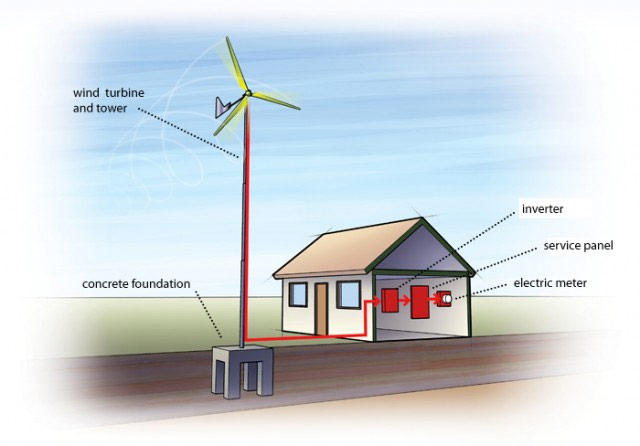
- Key Components of a Small Wind Electric System
- Horizontal vs. Vertical Axis: Which One is For Your Home?
- The Dollars and Sense: Cost, Savings, and ROI for Home Wind Systems
- Upfront Costs: Breaking Down the Investment
- Understanding Your Potential Savings & Payback Period
- Government Incentives and Rebates You Can’t Afford to Miss
- Wind vs. Solar vs. Hybrid: Finding Your Perfect Energy Match
- Solar Power: The Ubiquitous Choice
- Wind Power: A Niche, Powerful Player
- The Best of Both Worlds: Hybrid Wind-Solar Systems
- Sizing Your System: How Much Power Do You Really Need?
- Calculating Your Home’s Energy Consumption
- Matching Turbine Size to Your Needs & Wind Resource
- From Dream to Reality: A Step-by-Step Guide to Installing Home Wind Power
- Step 1: Assess Your Wind Resource (Don’t Guess!)
- Step 2: Understand Local Zoning & Permitting
- Step 3: Choose the Right Turbine & Installer
- Step 4: Installation & Grid Connection
- Step 5: Ongoing Maintenance & Monitoring
- Common Misconceptions About Residential Wind Energy (Myth vs. Fact)
- Myth 1: They’re too noisy.
- Myth 2: They’ll power my entire home off-grid easily.
- Myth 3: They’re ugly and reduce property value.
- The Future is Blowing: Innovations in Small Wind Technology
- Quieter, More Efficient Designs
- Integrated Smart Home Systems
- Ready to Harness the Wind? Your Next Steps.
But here’s the honest truth: while the dream is real, residential wind energy isn’t a one-size-fits-all solution. Unlike solar, which is broadly applicable, wind power for your home comes with specific requirements that can make or break its viability. I’m here to cut through the marketing hype and give you the straightforward facts you need to decide if a home wind turbine is genuinely the right move for *your property.
Ready to explore if your home can dance with the wind?
The Honest Truth: Is Residential Wind Power for You?
Before we dive into watts, turbines, and costs, let’s address the fundamental question: Does your home have the potential for wind energy? This isn’t just about wanting it; it’s about whether your location and lifestyle align with what residential wind power demands.
Ideal Conditions: When Wind Energy Shines Brightest
Residential wind turbines thrive under specific circumstances. If your property checks most of these boxes, you’re off to a strong start:
- Consistently High Wind Speeds: This is non-negotiable. You need an average annual wind speed of at least 10-12 mph (4.5-5.4 m/s) to make a turbine economically viable. Think wide-open spaces, hilltops, or coastal areas. Turbines don’t just need wind; they need good wind, often measured at a height of 30-50 feet.
- Ample Clear Space: Turbines need to be installed on a tall tower, away from obstructions like tall trees, buildings, or other structures that can create turbulence and reduce efficiency. We’re talking about a significant clear radius around the tower.
- Rural or Semi-Rural Location: Urban or dense suburban areas rarely have the consistent wind resources or the space required. Plus, zoning regulations in these areas are often far more restrictive.
- High Electricity Bills: If you’re currently paying a premium for grid electricity, the financial payback for a wind system becomes more attractive. The higher your current utility rate, the faster your system can pay for itself through savings.
- Long-Term Property Ownership: Like solar, a wind system is a long-term investment. If you plan to move within a few years, the return on investment might not materialize.
- Favorable Local Regulations: Some municipalities are wind-friendly, offering streamlined permitting or even incentives. Others have strict height restrictions or outright bans.
Reality Check: When Wind Might Not Be Your Best Bet
It’s important to be realistic. Residential wind energy is NOT for everyone. It’s likely not a good fit if:
- You Live in a City or Densely Populated Suburb: Insufficient wind, lack of space, and restrictive zoning will almost certainly make it impractical.
- Your Property is Heavily Obscured: Surrounded by tall trees, large buildings, or hills? These create wind shadows and turbulence, rendering a turbine ineffective.
- Your Average Wind Speed is Low: Even if you occasionally feel a breeze, consistent, strong wind is key. Many areas just don’t have it.
- You Have a Tight Budget for Upfront Costs: Wind turbines can be a substantial initial investment, often more than comparable solar systems due to tower costs and specialized installation.
- You Prioritize Aesthetics Above All Else: While designs are improving, a tall wind turbine tower is a prominent feature on your landscape.
How Does a Home Wind Turbine Actually Work? (The Basics)
At its core, a home wind turbine converts the kinetic energy of the wind into usable electricity. It’s a surprisingly elegant process.
Key Components of a Small Wind Electric System
While the turbine itself is the star, it’s just one part of a complete system:
- The Turbine (Rotor and Nacelle): The blades (rotor) capture the wind’s energy, causing them to spin. This rotation drives a generator housed in the nacelle, producing AC (alternating current) electricity.
- The Tower: Crucial for elevating the turbine above ground-level obstructions where wind speeds are higher and turbulence is reduced. Towers can be freestanding (guyed or lattice) or monopole.
- Controller: Manages the turbine’s operation, ensuring optimal power generation and preventing overcharging of batteries or overloading of the system.
- Inverter: If you’re connecting to the grid or powering standard home appliances, the AC power generated by the turbine needs to be converted into the appropriate voltage and frequency. If you’re storing energy, it converts AC to DC to charge batteries and then DC back to AC for home use.
- Batteries (Optional, for Off-Grid or Backup): For off-grid systems, batteries store excess electricity for use when the wind isn’t blowing. For grid-tied systems, batteries provide backup power during outages.
- Grid Connection Equipment: For grid-tied systems, this includes meters, disconnect switches, and other components to safely connect your system to the utility grid.
Horizontal vs. Vertical Axis: Which One is For Your Home?
You’ll primarily encounter two types of small wind turbines:
| Feature | Horizontal Axis Wind Turbines (HAWT) | Vertical Axis Wind Turbines (VAWT) |
|---|---|---|
| Appearance | Traditional ‘propeller’ look, blades perpendicular to the ground. | Egg-beater (Darrieus) or S-shaped (Savonius) blades, parallel to the ground. |
| Efficiency | Generally more efficient at capturing wind energy. | Less efficient than HAWTs, but improving. |
| Wind Direction | Must orient into the wind (often with a tail vane or yaw motor). | Omnidirectional – works regardless of wind direction, no reorientation needed. |
| Noise Level | Can be perceived as louder, especially larger models (though small ones are often quiet). | Typically quieter due to lower tip speeds and less turbulence. |
| Installation | Requires a tall tower to clear obstructions and turbulence. | Can be mounted closer to the ground or on rooftops (though rooftop mounting has challenges). |
| Maintenance | Components at the top of the tower can be harder to access. | Generator and gearbox often at the base, making maintenance easier. |
| Best Use Case | Larger properties with consistent, unobstructed wind. | Smaller properties, urban settings with turbulent wind (though still challenging). |
The Dollars and Sense: Cost, Savings, and ROI for Home Wind Systems
Let’s talk money. This is often where the rubber meets the road for most homeowners considering renewable energy. Residential wind systems are an investment, and understanding the financial picture is critical.
Upfront Costs: Breaking Down the Investment
The cost of a residential wind turbine system can vary widely, typically ranging from $10,000 to $70,000 or more, depending on the turbine size, tower height, system complexity (grid-tied vs. off-grid with batteries), and installation specifics. Here’s a breakdown:
:max_bytes(150000):strip_icc()/wind-turbine-generator-on-house-roof-90967703-b9619befbf954726ae92dfb6154711f2.jpg)
| Component | Estimated Cost Range (USD) | Notes |
|---|---|---|
| Turbine (1-10 kW) | $3,000 – $30,000+ | Price increases with power output. Smaller microturbines are cheaper. |
| Tower (30-120 ft) | $2,000 – $15,000+ | Guyed towers are generally cheaper than freestanding. Cost rises with height. |
| Inverter & Controller | $1,500 – $8,000 | Essential for converting turbine power to usable household electricity. |
| Battery Bank (Optional) | $5,000 – $20,000+ | Adds significant cost for off-grid or backup power. Varies with capacity. |
| Installation (Labor, Foundation, Wiring) | $3,000 – $12,000+ | Can be complex, requiring heavy equipment and skilled labor. |
| Permits & Inspections | $500 – $2,000+ | Varies greatly by local jurisdiction. |
| Total Estimated Cost | $10,000 – $70,000+ | This is a rough estimate; always get detailed quotes. |
Understanding Your Potential Savings & Payback Period
Your savings directly correlate with how much electricity your turbine generates and your utility’s electricity rates. A well-sited 5kW turbine in a truly windy location could potentially offset 50-90% of a typical household’s electricity usage, leading to significant monthly savings.
The payback period (how long it takes for your savings to equal your initial investment) for residential wind systems can range from 6 to 20 years or more. Factors influencing this include:
- Initial System Cost: Lower upfront cost means faster payback.
- Average Wind Speed: More consistent, stronger wind means more generation and faster savings.
- Electricity Rates: High per-kWh rates from your utility accelerate payback.
- Incentives: Tax credits, grants, and rebates drastically reduce the effective cost, shortening the payback period.
Government Incentives and Rebates You Can’t Afford to Miss
Just like solar, small wind energy systems are often eligible for financial assistance that can make them much more affordable:
- Federal Investment Tax Credit (ITC): The most significant incentive, this allows you to claim a percentage of the cost of your small wind energy property as a credit on your federal tax returns. Currently, it’s 30% for systems placed in service by 2032.
- State and Local Incentives: Many states, counties, and even utility companies offer their own rebates, grants, or property tax exemptions for renewable energy installations. Check the Database of State Incentives for Renewables & Efficiency (DSIRE) for what’s available in your area.
- Net Metering: This policy allows you to send excess electricity generated by your turbine back to the grid, receiving credit on your electricity bill. This is crucial for maximizing your savings.
Wind vs. Solar vs. Hybrid: Finding Your Perfect Energy Match
When considering home renewable energy, solar panels often come to mind first. But how does wind compare, and could combining them be the ultimate solution?
Solar Power: The Ubiquitous Choice
Solar Photovoltaic (PV) systems are popular for good reason: they’re widely applicable, generally easier to permit, and their costs have fallen dramatically. They convert sunlight into electricity, making them excellent during sunny daylight hours.
Wind Power: A Niche, Powerful Player
As we’ve discussed, wind power is more location-dependent. However, where conditions are right, wind turbines can generate significant power, often complementing solar because wind patterns can be stronger at night or during cloudy, less sunny periods.
The Best of Both Worlds: Hybrid Wind-Solar Systems
For some homes, a hybrid system combines the strengths of both technologies. Solar excels during the day, and wind can pick up the slack at night or on cloudy, windy days. This diversification can lead to more consistent energy production, reduced reliance on batteries (if off-grid), and greater energy independence. It’s often the most robust solution for truly off-grid or high-demand homes in suitable locations.
| Feature | Solar Power | Wind Power | Hybrid (Wind + Solar) |
|---|---|---|---|
| Primary Resource | Sunlight | Wind | Sunlight & Wind |
| Location Dependency | Generally high applicability; roofs, ground mounts. | Highly dependent on consistent, strong wind and clear space. | Requires good conditions for both, but offers redundancy. |
| Typical Cost (Residential) | Lower to Moderate ($15k – $30k) | Moderate to High ($10k – $70k+) | Higher ($25k – $100k+) |
| Energy Production Pattern | Daytime, clear skies. Peaks mid-day. | Variable; often stronger at night, in specific seasons, or during storms. | More consistent, diversified production. Less reliance on single resource. |
| Maintenance | Relatively low (cleaning, inverter checks). | Moderate (lubrication, bolt tightening, blade inspection, higher access issues). | Combines maintenance needs of both systems. |
| Aesthetics/Space | Panels on roof or ground. Generally less intrusive. | Tall tower is a prominent visual feature. Requires significant clear land. | Requires space for both panels and tower. |
| Best For… | Most homes with good sun exposure and roof space. | Rural homes with excellent, consistent wind resources. | Homes desiring maximum energy independence in suitable locations; off-grid. |
Sizing Your System: How Much Power Do You Really Need?
Just like you wouldn’t buy a car without knowing your driving needs, you shouldn’t invest in a wind turbine without understanding your energy consumption. Over-sizing is wasteful, and under-sizing leaves you still dependent on the grid.
Calculating Your Home’s Energy Consumption
Grab your electricity bills! Look for your average monthly kilowatt-hour (kWh) usage. Most homes in the US consume between 800-1,200 kWh per month. This figure will be your baseline for sizing. Consider:
- Peak Demand: What are the highest spikes in your electricity usage?
- Seasonal Variation: Do you use more electricity in summer (AC) or winter (heating, lights)?
- Future Needs: Are you planning to add an EV charger, hot tub, or other energy-intensive appliances?
An energy audit can provide a detailed breakdown and identify areas for efficiency improvements, which can reduce the size (and cost) of the wind system you need.
Matching Turbine Size to Your Needs & Wind Resource
Small wind turbines for residential use typically range from 1 kW to 10 kW. The actual energy produced (kWh per month) depends heavily on the turbine’s rated power AND, critically, your specific wind resource.
| Turbine Size (kW) | Estimated Monthly Output (kWh/month) (at 12 mph average wind) |
Typical Home Use It Could Offset |
|---|---|---|
| 1-2 kW | 100 – 300 kWh | Small cabin, remote lighting, supplemental power for a very efficient home. |
| 3-5 kW | 300 – 700 kWh | Average US home seeking significant bill reduction (often supplemental). |
| 6-10 kW | 700 – 1,500 kWh | Larger homes, homes with high energy use, or aiming for near 100% offset. |
Remember, these output numbers are highly generalized. A professional wind resource assessment is crucial for accurate predictions.
From Dream to Reality: A Step-by-Step Guide to Installing Home Wind Power
Convinced that wind power might be for you? Great! Now, let’s walk through the practical steps to make it happen. This isn’t a DIY project; professional expertise is essential.
Step 1: Assess Your Wind Resource (Don’t Guess!)
This is the most critical step. Do not rely on anecdotal observations of how windy your property feels. Hire a qualified installer or consultant to conduct a professional wind resource assessment. They might use specialized equipment (anemometers) for a period, consult wind maps, and analyze terrain features to accurately predict your average annual wind speed at the proposed tower height. Without sufficient wind, the rest is irrelevant.
Step 2: Understand Local Zoning & Permitting
Before you commit any significant funds, dive deep into your local regulations. Contact your county or municipal planning department. You’ll need to know about:
- Height Restrictions: How tall can your tower be?
- Setback Requirements: How far must the tower be from property lines, roads, and buildings?
- Noise Ordinances: Are there decibel limits?
- Building Permits: What permits are required for the foundation and tower?
- Grid Connection Rules: What are your utility’s interconnection standards and net metering policies?
This step can be complex and may involve public hearings, especially if your property requires a variance.
Step 3: Choose the Right Turbine & Installer
Based on your wind resource assessment and energy needs, work with a reputable installer to select an appropriately sized and certified turbine. Look for installers with a proven track record in small wind, who can provide references, and who are familiar with local regulations. Ask about warranties, maintenance plans, and expected performance. Certifications (e.g., from the Small Wind Certification Council) ensure a turbine meets safety and performance standards.
Step 4: Installation & Grid Connection
Once permits are secured and equipment is ordered, the installation begins. This involves:
- Foundation Work: Pouring the concrete base for the tower.
- Tower Erection: Raising the tower safely.
- Turbine Assembly: Mounting the turbine to the top of the tower.
- Electrical Wiring: Connecting the turbine to your home’s electrical system and potentially to the grid.
- Inspections: Local authorities and your utility company will inspect the system to ensure it meets safety and code requirements before it can be commissioned.
Step 5: Ongoing Maintenance & Monitoring
Small wind turbines are generally robust, but they do require periodic maintenance. This typically includes:
- Annual Inspections: Checking bolts, guy wires, blades, and electrical connections.
- Lubrication: Greasing moving parts as recommended by the manufacturer.
- Monitoring Performance: Tracking your energy production to ensure the system is operating optimally.
Some installers offer maintenance contracts, which can provide peace of mind.
Common Misconceptions About Residential Wind Energy (Myth vs. Fact)
The world of wind energy is ripe with myths. Let’s clear up some of the most common ones:
Myth 1: They’re too noisy.
Fact: This is often a concern, but modern small wind turbines are significantly quieter than their larger utility-scale counterparts. At typical residential setbacks, the sound is often comparable to ambient background noise (e.g., rustling leaves or a quiet hum). Proper siting away from living spaces and using quality, certified turbines minimizes noise impact.
Myth 2: They’ll power my entire home off-grid easily.
Fact: While possible, achieving 100% off-grid independence solely with wind requires ideal conditions, a large and expensive system, and usually a substantial battery bank. Most residential systems are grid-tied, using the utility grid as a virtual battery to store excess power and draw from when needed. For true off-grid reliability, a hybrid wind-solar system is often recommended.
Myth 3: They’re ugly and reduce property value.
Fact: Aesthetics are subjective, but many people find wind turbines a symbol of environmental stewardship. While a large tower is noticeable, it rarely reduces* property value in suitable areas, and can even be seen as an asset, particularly if it significantly lowers utility bills. Proper landscaping and placement can also help integrate the system into its surroundings.
)
The Future is Blowing: Innovations in Small Wind Technology
The small wind industry continues to evolve. We’re seeing exciting developments:
Quieter, More Efficient Designs
Manufacturers are constantly improving blade aerodynamics and generator technology to extract more power from less wind, while simultaneously reducing noise levels and visual impact. Innovations in vertical axis designs, in particular, hold promise for less turbulent, more urban-friendly installations.
Integrated Smart Home Systems
Future systems will likely integrate seamlessly with smart home energy management, allowing homeowners to monitor production, manage loads, and optimize energy use in real-time, leveraging both grid power and self-generated wind energy more effectively.
Ready to Harness the Wind? Your Next Steps.
If, after reading all this, you still feel a strong pull towards residential wind energy, that’s fantastic! You’re equipped with the knowledge to approach this investment wisely.
The very best next step is to contact qualified local small wind energy professionals. They can conduct a thorough site assessment, provide accurate cost estimates, and guide you through the permitting and installation process specific to your region. Don’t go it alone – expert advice is invaluable when it comes to harnessing the power of the wind for your home.
Frequently Asked Questions
How much wind speed is needed for a home wind turbine to be effective?
For a home wind turbine to be economically viable, your property typically needs an average annual wind speed of at least 10-12 mph (4.5-5.4 m/s). Professional site assessments are crucial to accurately determine this.
How much does a residential wind turbine system cost?
The total cost for a residential wind turbine system can range from $10,000 to $70,000 or more, depending on the turbine size, tower height, system complexity (e.g., adding batteries), and installation specifics.
Can a small wind turbine power my entire house?
While possible in ideal conditions with a large system and battery storage, most residential wind turbines are designed to significantly offset electricity bills or provide supplemental power. For 100% off-grid independence, a hybrid wind-solar system is often a more reliable solution.
Are residential wind turbines noisy?
Modern small wind turbines are much quieter than large utility-scale turbines. At typical residential distances, their sound is often comparable to ambient background noise like rustling leaves. Proper siting and choosing a certified turbine can minimize any noise impact.
What is the difference between horizontal and vertical axis wind turbines for home use?
Horizontal Axis Wind Turbines (HAWTs) are the traditional ‘propeller’ style and are generally more efficient. Vertical Axis Wind Turbines (VAWTs) are often quieter, omnidirectional (don’t need to turn into the wind), and can be mounted closer to the ground, though they are typically less efficient at energy capture.
Are there incentives for installing a home wind energy system?
Yes, homeowners can often benefit from incentives like the Federal Investment Tax Credit (ITC), which offers a percentage of the system cost as a tax credit. Many states and local utilities also provide rebates, grants, or net metering programs that reduce the overall cost and increase savings.

:max_bytes(150000):strip_icc()/__opt__aboutcom__coeus__resources__content_migration__treehugger__images__2013__10__wind-turbine-finished-d963c26c0e704c9fb43dac99262c073a.jpg)