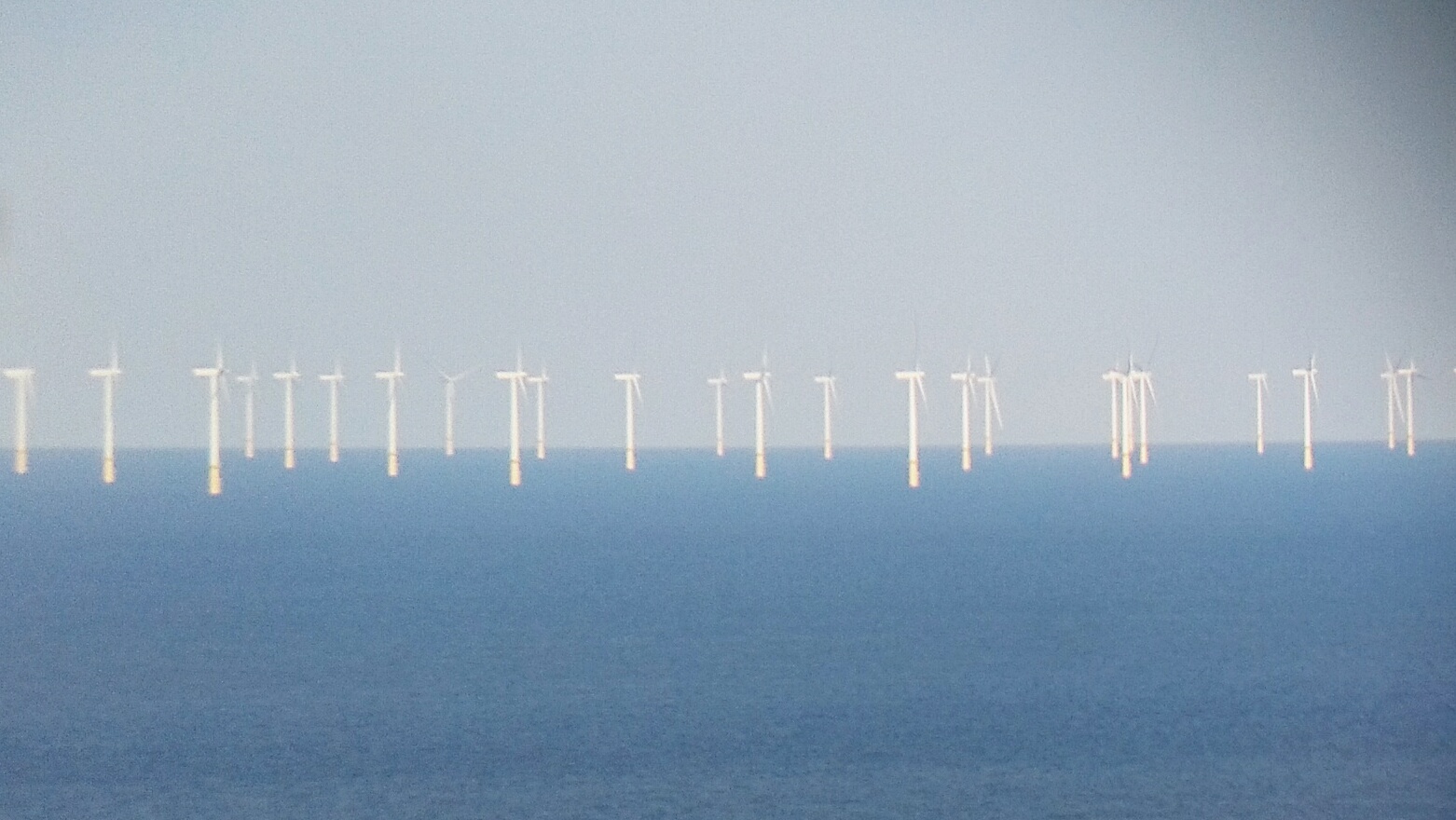
Windmills in the Ocean: Your Definitive Guide to Offshore Wind Energy
Imagine massive, silent giants standing sentinel against the horizon, harnessing the raw power of the ocean winds to light up our homes. These aren’t mythical creatures, but the burgeoning reality of offshore wind farms – what many of us still call ‘windmills in the ocean.’
Table of Contents
- Windmills in the Ocean: Your Definitive Guide to Offshore Wind Energy
- What Exactly Are Windmills in the Ocean? (Offshore Wind Explained)
- Beyond the Horizon: Defining Offshore Wind Power
- The Core Components: What Makes a Sea Turbine Tick?
- How Do Offshore Wind Turbines Generate Electricity? (The Science Simplified)
- Harnessing the Wind: From Air to Amps
- The Journey of Power: From Turbine to Grid
- The Ocean’s Edge: Where Are Offshore Wind Farms Being Built?
- Global Leaders in Offshore Wind
- The American Frontier: US Offshore Wind Projects & Potential
- Why the Ocean? The Unique Advantages of Offshore Sites
- The Good, The Bad, and The Evolving: Pros and Cons of Offshore Wind Energy
- Unleashing the Power: The Benefits of Offshore Wind
- Navigating the Challenges: The Downsides & Solutions
- Protecting Our Oceans: Offshore Wind and Marine Life
- Understanding the Impact: Noise, Habitat, and Navigation
- Innovative Mitigation: How Developers Protect Wildlife
- The Future is Floating: Next-Generation Offshore Wind Technology
- Beyond Fixed Foundations: The Rise of Floating Turbines
- Innovation on the Horizon: Bigger Turbines, Better Grids
- Debunking the Myths: Common Misconceptions About Ocean Windmills
- Myth 1: They Kill All the Whales
- Myth 2: Too Expensive to Matter
- Myth 3: They’re an Eyesore for Everyone
- Conclusion: Charting a Sustainable Course
For too long, our energy discussions have been bogged down by jargon and distant promises. But a revolution is quietly (and powerfully) taking shape off our coasts. Offshore wind isn’t just a concept anymore; it’s a vital, rapidly expanding industry with the potential to transform America’s energy landscape, create thousands of jobs, and significantly combat climate change. You’re here because you’re curious, perhaps even a little skeptical, about these ocean behemoths. Good. Let’s dive deep into what they are, how they work, their impact, and what the future holds.
It’s time to move beyond the headlines and understand the intricate dance between engineering, economics, and ecology that defines this powerful new frontier of energy.
What Exactly Are Windmills in the Ocean? (Offshore Wind Explained)
When you hear ‘windmills in the ocean,’ you’re likely picturing an offshore wind turbine. These aren’t your grandpa’s picturesque Dutch windmills; these are sophisticated, industrial-scale structures designed to capture the incredible energy found in open ocean winds.
Beyond the Horizon: Defining Offshore Wind Power
Offshore wind power refers to the generation of electricity using wind farms located in bodies of water, typically oceans or large seas. Unlike their onshore counterparts, which are often limited by land availability and turbulence from terrain, offshore turbines benefit from stronger, more consistent winds over open water. This consistency translates into higher capacity factors, meaning they generate power more often and at higher outputs.
Think of it this way: the further you get from land, the less friction there is to slow down the wind. This means a steadier, more powerful breeze that offshore turbines are uniquely positioned to convert into electricity.
The Core Components: What Makes a Sea Turbine Tick?
An offshore wind turbine is a marvel of engineering, a complex system designed to withstand harsh marine environments while efficiently generating power. Here’s a breakdown:
- Blades: Typically three blades, reaching incredible lengths (some over 100 meters!), designed to capture wind energy. They rotate slowly, but the tips can move at hundreds of miles per hour.
- Nacelle: This is the ‘brain’ and ‘heart’ of the turbine, housing the gearbox, generator, controller, and other crucial components. It sits atop the tower and can rotate to face the wind.
- Tower: A massive steel structure that lifts the nacelle and blades high above the water, tapping into more powerful, consistent winds. These towers can stand hundreds of feet tall.
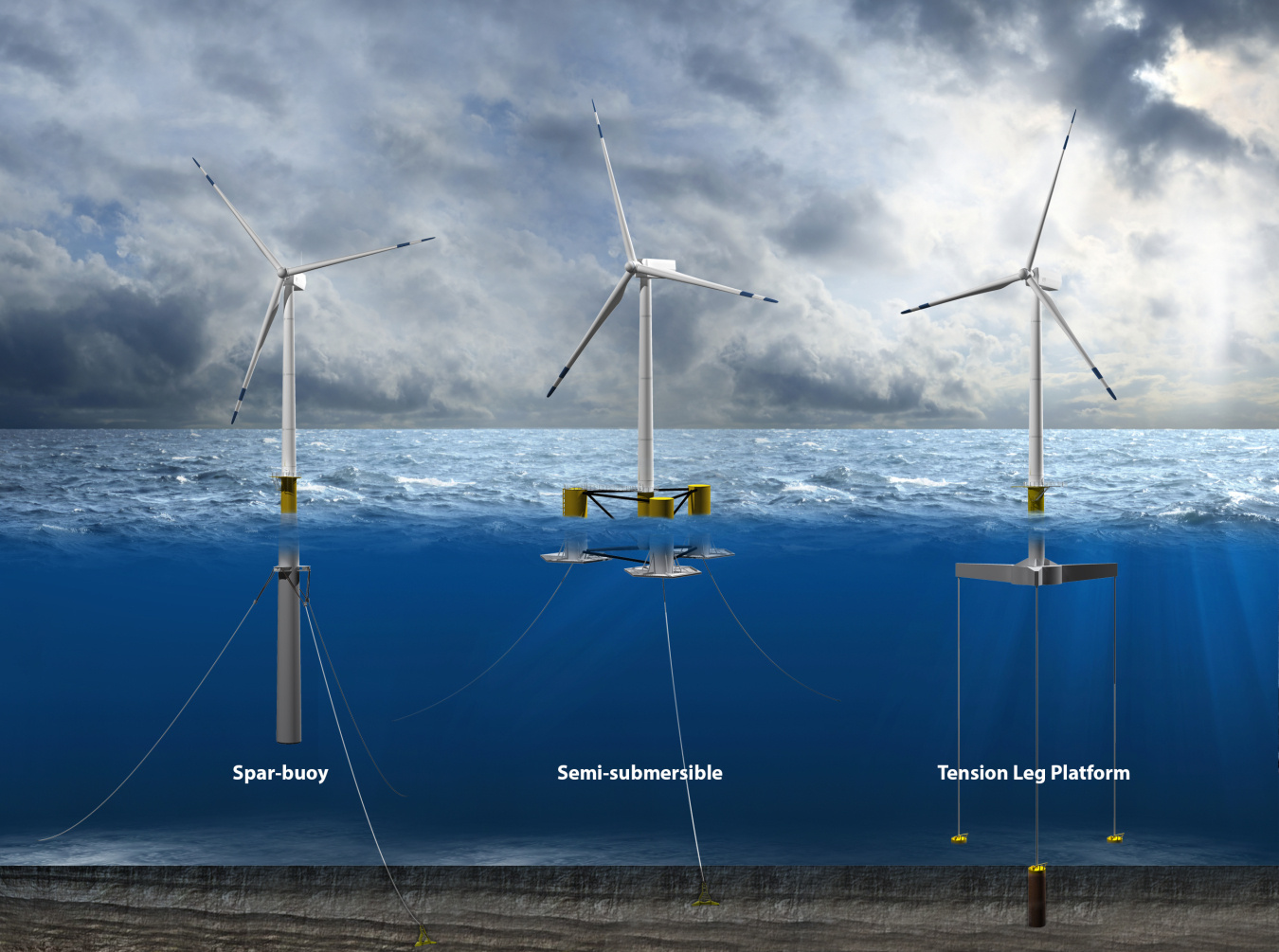
- Foundations: This is where offshore wind significantly differs. Turbines need to be firmly anchored to the seabed or float securely. There are two primary types:
| Foundation Type | Description | Typical Water Depth | Key Advantage | Key Challenge |
|---|---|---|---|---|
| Fixed-Bottom (Monopile, Jacket, Gravity) | Structures driven into or resting on the seabed, directly supporting the turbine. | Up to ~60 meters (200 feet) | Proven technology, robust, stable. | Limited by water depth, high installation costs for deep water. |
| Floating (Spar, Semi-submersible, Tension Leg Platform) | Turbines mounted on floating platforms anchored to the seabed with mooring lines. | Over ~60 meters (200 feet), virtually unlimited | Access to deeper waters, stronger winds; potentially lower installation impacts. | Newer technology, higher LCOE (currently), complex mooring systems. |
- Cables: A network of array cables connects individual turbines to an offshore substation. From there, a much larger export cable carries the generated electricity to shore, often buried beneath the seabed.
- Offshore Substation: This floating or fixed platform collects the electricity from all the turbines in a farm, steps up its voltage, and sends it through the export cable to the onshore grid.
How Do Offshore Wind Turbines Generate Electricity? (The Science Simplified)
At its core, the principle of generating electricity from offshore wind is similar to onshore wind, but with a scale and complexity befitting its marine environment.
Harnessing the Wind: From Air to Amps
- Wind Catches the Blades: The wind pushes against the massive blades, causing them to rotate. The angle of the blades is adjustable (pitch control) to optimize capture and prevent damage in high winds.
- Slow Spin to Fast Spin: The rotating blades are connected to a low-speed shaft. This shaft feeds into a gearbox (though some modern turbines are ‘direct drive’ and don’t use a gearbox), which significantly increases the rotational speed.
- Generating Electricity: The high-speed shaft then spins a generator. This generator, using the principles of electromagnetism, converts the mechanical energy of the spinning shaft into electrical energy.
- Power Conditioning: The raw electricity generated is alternating current (AC). It’s then converted and conditioned within the nacelle to ensure it’s suitable for transmission.
The Journey of Power: From Turbine to Grid
Once electricity is generated within each turbine, it embarks on a journey to power our homes and businesses:
- Farm Collection: Individual turbines are linked by array cables that lie on or are buried beneath the seabed. These cables collect power from groups of turbines.
- Offshore Substation Boost: The collected power flows to an offshore substation. Here, transformers increase the voltage significantly. Higher voltage means less energy loss over long distances.
- Transmission to Shore: From the substation, a high-voltage export cable transmits the electricity to an onshore substation. These cables can be hundreds of miles long and are typically buried under the seabed to protect them and minimize interference.
- Grid Connection: The onshore substation further conditions the power and connects it to the existing national or regional electricity grid, where it’s distributed to consumers.
The Ocean’s Edge: Where Are Offshore Wind Farms Being Built?
The global race for offshore wind is accelerating, and the U.S. is quickly becoming a key player.
Global Leaders in Offshore Wind
Europe has historically led the charge, with countries like the UK, Germany, Denmark, and the Netherlands boasting extensive offshore wind capacity. Asia, particularly China, is rapidly expanding its presence, making significant investments in new projects. These nations have demonstrated the feasibility and economic benefits, paving the way for others.
The American Frontier: US Offshore Wind Projects & Potential
While a relative newcomer, the United States has immense offshore wind potential, particularly along the East Coast, where shallow waters and strong, consistent winds align with dense population centers. The Biden Administration has set ambitious goals to deploy 30 gigawatts (GW) of offshore wind by 2030, enough to power over 10 million homes.
Currently, the U.S. is transitioning from nascent projects to major commercial operations:
- Block Island Wind Farm (Rhode Island): America’s first offshore wind farm, a small but vital proof-of-concept with 5 turbines (30 MW).
- South Fork Wind Farm (New York/Rhode Island): Fully commissioned in March 2024, this 12-turbine, 132 MW project is a landmark achievement, delivering power to Long Island.
- Vineyard Wind 1 (Massachusetts): The nation’s first utility-scale offshore wind energy project, currently under construction and beginning to deliver power, aiming for 800 MW capacity.
- Revolution Wind (Rhode Island/Connecticut): Under construction, set to deliver 704 MW.
Many more projects are in various stages of development off the coasts of Maryland, New Jersey, Virginia, and even some proposed for the West Coast using floating technology, tapping into the deeper Pacific waters.
Why the Ocean? The Unique Advantages of Offshore Sites
Why go to all this trouble to build in the unforgiving ocean? The benefits are compelling:
- Stronger, More Consistent Winds: Winds over the open ocean are generally faster and less turbulent than on land, leading to higher energy production.
- Proximity to Demand Centers: Many densely populated coastal cities in the U.S. are relatively close to offshore wind resources, reducing transmission distances compared to remote onshore projects.
- Scale and Space: The ocean offers vast tracts of space for large-scale wind farms without the same land-use conflicts or visual impact concerns as onshore developments.
- Reduced Visual Impact: While still visible from some shores, large offshore farms are often far enough out to sea to become mere blips on the horizon, if visible at all.
The Good, The Bad, and The Evolving: Pros and Cons of Offshore Wind Energy
No energy source is without its trade-offs. Offshore wind offers incredible promise but also presents significant challenges.
Unleashing the Power: The Benefits of Offshore Wind
- Massive Resource Potential: The sheer scale of wind energy available off U.S. coasts could theoretically power the entire nation several times over.
- Cleaner Air & Climate Change Mitigation: Offshore wind produces electricity with virtually no greenhouse gas emissions once operational, a critical tool in fighting climate change and improving air quality.
- Job Creation & Economic Boost: The industry creates thousands of jobs in manufacturing, construction, operations, and maintenance, stimulating coastal economies.
- Grid Stability & Energy Independence: A diversified energy portfolio, including reliable offshore wind, enhances grid stability and reduces reliance on volatile fossil fuel markets.
Navigating the Challenges: The Downsides & Solutions
- High Initial Costs: Offshore wind projects require massive upfront investments due to complex engineering, installation, and specialized vessels. However, costs are rapidly declining due to technological advancements and economies of scale.
- Environmental Impacts:
- Marine Life: Concerns exist regarding noise from pile driving during construction, potential for vessel strikes, and impacts on migratory patterns of birds, bats, and marine mammals (e.g., whales).
- Habitat Disruption: Laying cables and installing foundations can disturb seabed habitats.
- Mitigation: Strict regulations, advanced monitoring (acoustic deterrents, marine mammal observers), seasonal work windows, improved foundation designs (e.g., quieter techniques), and careful siting are employed to minimize these impacts.
- Visual Impact & Public Perception: Some coastal communities express concerns about the visual impact of turbines from shore, affecting scenic views or tourism.
- Mitigation: Siting farms further offshore, utilizing advanced turbine designs, and transparent community engagement are key.
- Intermittency: While more consistent than onshore, wind doesn’t blow 24/7. This requires grid integration solutions like energy storage or flexible conventional power plants.
- Installation & Maintenance Logistics: Working in the harsh marine environment presents unique challenges for installation, routine maintenance, and repairs, requiring specialized vessels and highly skilled workers.
| Energy Source | Levelized Cost of Energy (LCOE) Range (USD/MWh) | Key Factors Influencing Cost |
|---|---|---|
| Offshore Wind (Fixed-Bottom) | $70 – $120 | Installation complexity, distance from shore, foundation type, grid connection. |
| Onshore Wind | $25 – $50 | Land cost, permitting, transmission infrastructure, turbine size. |
| Solar PV (Utility-Scale) | $30 – $60 | Panel efficiency, land cost, grid connection, regional sunlight availability. |
| Natural Gas (Combined Cycle) | $40 – $70 | Fuel costs, carbon pricing, plant efficiency, capital costs. |
*LCOE ranges are approximate and vary significantly based on region, project specifics, and market conditions.

Protecting Our Oceans: Offshore Wind and Marine Life
One of the most frequently discussed topics surrounding offshore wind is its potential impact on marine ecosystems. It’s a valid concern, and developers, regulators, and environmental groups are actively working to understand and mitigate these effects.
Understanding the Impact: Noise, Habitat, and Navigation
- Underwater Noise: The primary concern during construction is the noise generated by pile driving (hammering large monopiles into the seabed). This intense, low-frequency sound can travel long distances and potentially disturb or injure marine mammals like whales and dolphins, which rely on sound for communication, navigation, and hunting.
- Habitat Alteration: Installing foundations and laying cables can disturb existing seabed habitats, affecting benthic (bottom-dwelling) organisms and fish spawning grounds.
- Collision Risk: While rare, there’s a theoretical risk of birds colliding with turbine blades and bats migrating through wind farm areas. Marine vessels servicing the farms also pose a risk of striking marine mammals.
- Electromagnetic Fields (EMF): Subsea cables produce small electromagnetic fields, which some studies suggest could potentially affect certain marine species (e.g., sharks, rays) sensitive to electrical currents, though current research suggests impacts are generally localized and minor.
Innovative Mitigation: How Developers Protect Wildlife
The industry is not ignoring these challenges; in fact, significant resources are dedicated to research and mitigation strategies:
- Advanced Siting: Projects are carefully sited to avoid critical habitats, migratory routes, and sensitive marine protected areas.
- Noise Reduction Technologies: During pile driving, developers employ ‘bubble curtains’ (creating a wall of bubbles around the pile to dampen sound), vibratory hammers (quieter than impact hammers), and phased operations (‘soft starts’) to give animals time to move away.
- Marine Mammal Observers (MMOs): Trained observers are present during noisy construction phases, halting operations if protected species are sighted within exclusion zones.
- Seasonal Restrictions: Construction is often restricted during critical periods for certain species, such as whale calving seasons or bird migrations.
- Cable Burial: Export and array cables are typically buried deep beneath the seabed to minimize physical disturbance and potential EMF effects.
- Artificial Reef Effect: The turbine foundations themselves can sometimes act as artificial reefs, attracting marine life and creating new habitats, though the ecological net effect is still under study.
It’s a dynamic field of study, with ongoing research from agencies like NOAA Fisheries playing a crucial role in understanding and shaping best practices to ensure offshore wind development is as environmentally responsible as possible.
The Future is Floating: Next-Generation Offshore Wind Technology
If you think today’s offshore wind farms are impressive, wait until you see what’s coming next. The industry is constantly innovating, pushing the boundaries of engineering and design.
Beyond Fixed Foundations: The Rise of Floating Turbines
Currently, most operational offshore wind farms use fixed-bottom foundations, limiting them to shallower waters. However, many of the world’s best wind resources lie in deeper waters, particularly off the West Coast of the U.S. and in parts of Europe and Asia. This is where floating offshore wind technology becomes a game-changer.
Floating platforms, anchored to the seabed with mooring lines, allow turbines to be deployed in water depths previously inaccessible. This unlocks vast new areas for development, often with even stronger and more consistent winds. While still more expensive than fixed-bottom turbines today, floating technology is rapidly maturing, with pilot projects already demonstrating its viability in several countries.
Innovation on the Horizon: Bigger Turbines, Better Grids
Beyond floating foundations, the future of offshore wind will be characterized by:
- Even Larger Turbines: The trend is towards colossal turbines, with individual capacities of 15-20 MW or more. These ‘super-turbines’ can capture more energy per installation, reducing the number of units needed for a given output.
- Advanced Materials: Research into lighter, stronger, and more durable materials for blades and components will further enhance efficiency and resilience.
- Smart Grid Integration: Better forecasting models, energy storage solutions (like batteries or green hydrogen production), and flexible grid management will enable seamless integration of intermittent offshore wind power.
- Marine Spatial Planning: More sophisticated approaches to planning will ensure offshore wind development coexists effectively with fishing, shipping, and conservation efforts.
Debunking the Myths: Common Misconceptions About Ocean Windmills
Like any new technology, offshore wind is subject to misconceptions and debates. Let’s tackle a few common ones:
Myth 1: They Kill All the Whales
Reality: This claim is often sensationalized. While underwater noise from pile driving during construction is a concern for marine mammals, rigorous mitigation measures (as discussed above) are in place to minimize harm. Research shows that actual whale fatalities directly attributable to operational offshore wind turbines or construction activities are extremely rare. Vessel strikes (from all shipping) and entanglement in fishing gear remain the leading causes of whale deaths. Studies consistently show that marine life often adapts to the presence of wind farms, and foundations can even create new artificial reef habitats.
Myth 2: Too Expensive to Matter
Reality: Offshore wind certainly has high upfront costs, but its Levelized Cost of Energy (LCOE) has dropped dramatically over the past decade, making it increasingly competitive with traditional power sources. As technology improves, supply chains mature, and economies of scale are realized, these costs will continue to fall. Furthermore, the cost calculations must include the externalized costs of fossil fuels – pollution, health impacts, and climate change – which offshore wind significantly reduces.
Myth 3: They’re an Eyesore for Everyone
Reality: Visual impact is subjective. While some may find turbines aesthetically displeasing, many others see them as symbols of progress and clean energy. Crucially, newer projects are being sited much further offshore (15-30+ miles), where they appear as faint specks or are entirely out of sight from most coastal vantage points. Comprehensive visual impact assessments and community engagement are standard practice to address these concerns.
Conclusion: Charting a Sustainable Course
The journey of ‘windmills in the ocean’ from concept to reality is a testament to human ingenuity and our drive for a sustainable future. Offshore wind energy represents a monumental opportunity for the United States to harness an abundant, clean, and domestic power source. It promises not just electricity, but economic revitalization, technological advancement, and a cleaner planet.
As we continue to navigate the complexities of environmental stewardship, technological innovation, and economic development, understanding the true potential and challenges of offshore wind is more important than ever. It’s a key piece of the puzzle in building an energy future that works for everyone – and for our planet.
Frequently Asked Questions
How do offshore wind turbines impact marine life?
The primary concerns involve underwater noise from construction (pile driving) and potential habitat disruption from foundations and cables. However, extensive mitigation strategies are employed, including bubble curtains to dampen sound, seasonal work restrictions, and careful siting to avoid sensitive areas. Research indicates marine life often adapts, and the foundations can even create new habitats.
Are offshore wind farms visible from the shore?
It depends on the distance from shore. Older or smaller projects might be visible. However, newer utility-scale offshore wind farms in the U.S. are typically sited 15-30+ miles offshore, making them appear as faint specks on the horizon, if visible at all, to minimize visual impact.
How long do offshore wind turbines last?
Modern offshore wind turbines are designed to have an operational lifespan of 25 to 30 years. Regular maintenance, technological upgrades, and robust engineering for the harsh marine environment contribute to their longevity.
Are offshore wind turbines more expensive than onshore?
Yes, offshore wind projects generally have higher upfront capital costs due to the complex engineering, specialized installation vessels, and challenging marine environment. However, costs are rapidly declining, and the higher capacity factor (more consistent power generation) of offshore wind can lead to a competitive Levelized Cost of Energy (LCOE) over the project’s lifespan.
What happens to old offshore wind farms?
When an offshore wind farm reaches the end of its operational life, it typically undergoes ‘decommissioning.’ This process involves dismantling the turbines and foundations, removing cables, and restoring the seabed, often under strict regulatory guidelines. Some components may be recycled, and in certain cases, structures might be left in place if they are deemed to have a net positive ecological impact (e.g., as artificial reefs) and pose no navigation hazards.
Can offshore wind power truly replace fossil fuels?
Offshore wind has immense potential to significantly reduce reliance on fossil fuels, especially in coastal regions. While it’s a powerful tool for decarbonization, a diverse portfolio of renewable energy sources (including solar, onshore wind, hydropower, and advanced storage solutions) will be necessary to fully replace fossil fuels and create a resilient, 100% clean energy grid.
How deep can offshore wind turbines be installed?
Fixed-bottom offshore wind turbines are typically installed in water depths up to about 60 meters (200 feet). For deeper waters, beyond 60 meters, floating offshore wind turbine technology is used, which can be deployed in virtually unlimited depths, unlocking vast new areas with strong wind resources.