Harnessing the Breeze: Your Complete Guide to Wind Power for Domestic Homes in the USA
Picture this: a crisp morning, a gentle breeze rustling the leaves, and your home, silently powered by that very same wind. For many US homeowners, the dream of energy independence and slashing those ever-increasing electricity bills with a residential wind turbine is incredibly appealing. But is it just a pipe dream, or a realistic path to sustainable living?
Table of Contents
- Harnessing the Breeze: Your Complete Guide to Wind Power for Domestic Homes in the USA
- Is Domestic Wind Power Actually Viable for Your Home? The Honest Truth.
- Wind Speed: The Non-Negotiable Factor
- Space Requirements: More Than Just a Backyard
- Zoning and Permitting: Navigating Local Bureaucracy
- Energy Needs & Budget: Crunching the Numbers
- How Residential Wind Turbines Work: A Simple Breakdown
- Key Components: Blades, Nacelle, Tower, Inverter, Batteries (for off-grid/hybrid)
- Horizontal-Axis Wind Turbines (HAWTs): The Classic Design
- Vertical-Axis Wind Turbines (VAWTs): The Urban-Friendly Option?
- Grid-Tied vs. Off-Grid Systems: What’s Best for You?
- Sizing Your System: How Much Wind Power Do You Really Need?
- Estimating Your Energy Consumption: Analyzing your utility bills.
- Calculating Turbine Output: Understanding kW and kWh.
- Typical Home Sizes/Consumption vs. Turbine kW
- The Real Cost of Domestic Wind Power: Investment & ROI
- Initial Investment: What You Can Expect to Pay
- Operating Costs: Maintenance and Beyond
- Federal Incentives: The Investment Tax Credit (ITC) and More
- State & Local Programs: Finding Regional Support
- Calculating Your Payback Period: When Does it Make Sense?
- Wind vs. Solar: Why a Hybrid System Might Be Your Best Bet
- Understanding the Strengths:
- The Power of Synergy: How Wind and Solar Complement Each Other
- Comparing Small Wind Power vs. Solar PV for Homes
- The Installation Journey: From Idea to Energy Independence
- Step 1: Site Assessment & Wind Resource Evaluation
- Step 2: Research & Design Your System
- Step 3: Navigating Permits & Regulations
- Step 4: Financing & Incentives Application
- Step 5: Professional Installation
- Step 6: System Commissioning & Grid Connection
- Living with Your Wind Turbine: Maintenance and What to Expect
- Routine Checks: What a homeowner can do.
- Professional Servicing: When to call the experts.
- Troubleshooting Common Issues: Noise, reduced output.
- Lifespan and End-of-Life: What happens next?
- The Future of Domestic Wind Power
Let’s be honest. Investing in a home wind power system is a significant decision. It’s not for everyone, and it definitely requires more than just a passing interest. My goal here is to give you the unvarnished truth, the hard facts, and the actionable insights you need to determine if domestic wind power is a smart move for your specific situation. We’re going to dive deep, beyond the glossy brochures, and explore whether the wind can truly work for your home.
Is Domestic Wind Power Actually Viable for Your Home? The Honest Truth.
Before we talk turbines and kilowatts, we need to address the fundamental question: Does your home have what it takes to make wind power a worthwhile investment? There are three critical factors that dictate feasibility.
Wind Speed: The Non-Negotiable Factor
This is the big one. A wind turbine is a machine that converts wind energy into electricity. If there’s not enough consistent wind, it simply won’t generate enough power to justify the cost. Think of it like a solar panel – if it’s constantly shaded, it’s useless. For small residential wind turbines to be effective, you generally need an average annual wind speed of at least 10-12 miles per hour (4.5-5.5 meters per second), with higher speeds being even better.
- How to Assess Your Home’s Wind Resource: You can’t just guess.
- Start with online wind maps (many government and university sites offer these).
- Talk to neighbors who might have wind turbines (though rare, they’re a great real-world indicator).
- The most accurate method is a professional site assessment, often involving a temporary anemometer (wind meter) installed at your proposed tower height for several months. This data is crucial.
Space Requirements: More Than Just a Backyard
Unlike solar panels that can sit unobtrusively on a roof, wind turbines need space – and lots of it – both horizontally and vertically. We’re talking about a tall tower and a clear path for the wind.
- Minimum Land Area: You typically need at least an acre of land, sometimes more, especially if you’re considering a larger turbine. This isn’t just for the tower footprint, but also to ensure the turbine is far enough from obstacles and property lines.
- Tower Height Considerations: Turbines need to be high enough to catch unobstructed wind, usually 30 feet above any obstruction within a 500-foot radius. This often means towers ranging from 60 to 140 feet tall for a residential system. A tall tower demands a robust foundation and a significant setback from buildings and property lines.
Zoning and Permitting: Navigating Local Bureaucracy
This is where many aspiring wind power homeowners hit a wall. Local regulations can be incredibly restrictive.
- Common Challenges:
- Height Restrictions: Many municipalities have strict height limits for structures, which can preclude the necessary tower height for an efficient turbine.
- Noise Ordinances: While modern turbines are much quieter, they still produce some sound. Neighbors might object, and local codes might have decibel limits.
- Visual Impact: A tall turbine can be a significant visual change to a landscape, leading to aesthetic concerns from neighbors or homeowners’ associations.
- Setback Requirements: Minimum distances from property lines, roads, and buildings.
- Steps to Research Local Regulations: Before you spend a dime, call your local zoning department, planning commission, and homeowners’ association (if applicable). Get everything in writing. Understand their process, required permits, and any public hearing requirements.
Energy Needs & Budget: Crunching the Numbers
Finally, consider how much power you actually use and how much you’re willing to invest.
- Typical Home Energy Consumption: Most US homes use between 800-1,200 kWh per month. Your turbine system should be sized to meet a significant portion of that, or your entire usage, if feasible.
- Initial Investment Expectations: Small wind systems are not cheap. Expect to invest anywhere from $15,000 to over $75,000 for a complete installed system, depending on size, tower height, and site complexity.
How Residential Wind Turbines Work: A Simple Breakdown
At its core, a wind turbine is a relatively simple device, yet engineered with precision to capture kinetic energy from the wind and convert it into usable electricity.
Key Components: Blades, Nacelle, Tower, Inverter, Batteries (for off-grid/hybrid)
- Blades: These are the “sails” that catch the wind and spin, much like an airplane wing. Most residential turbines have 2 or 3 blades.
- Nacelle: This is the housing behind the blades at the top of the tower. It contains the gearbox (which increases rotational speed), the generator (which converts mechanical energy into electricity), and the braking system.
- Tower: The structure that supports the nacelle and blades, elevating them into stronger, less turbulent wind. Towers can be freestanding (guyed or lattice) or monopole.
- Inverter: Wind turbines typically produce DC (direct current) electricity. An inverter converts this DC into AC (alternating current), which is what your home appliances use and what the utility grid accepts.
- Batteries (for off-grid/hybrid): If you’re not connected to the grid, or if you want backup power, a battery bank stores excess electricity generated by the turbine for use when the wind isn’t blowing.
Horizontal-Axis Wind Turbines (HAWTs): The Classic Design
These are what most people envision: a tall tower with blades spinning like a propeller. They are highly efficient at capturing wind energy, especially at higher wind speeds.
- Pros for Residential Use:
- Generally more efficient at converting wind to electricity.
- Proven technology with a long track record.
- Cons for Residential Use:
- Require a yaw system to turn into the wind, adding complexity.
- Can be visually imposing and potentially louder than VAWTs.
- Often require taller towers for optimal performance.
Vertical-Axis Wind Turbines (VAWTs): The Urban-Friendly Option?
VAWTs have blades that rotate around a vertical axis, often resembling an egg beater or a Savonius rotor. They don’t need to orient themselves into the wind, making them potentially suitable for more turbulent, lower-height wind environments.
)
- Pros for Residential Use:
- Can operate in turbulent wind conditions, sometimes making them better for rooftops or lower heights.
- Quieter operation and less visually dominant for some.
- Simpler design, often with fewer moving parts.
- Cons for Residential Use:
- Generally less efficient than HAWTs at the same swept area.
- Can be less reliable in terms of energy output for whole-home power.
Grid-Tied vs. Off-Grid Systems: What’s Best for You?
- Grid-Tied Systems: The most common setup. Your turbine generates electricity, which powers your home. Any excess is sent back to the utility grid (often through a process called net metering), earning you credits. When the turbine isn’t producing enough, you draw power from the grid.
- Benefits: No need for expensive battery banks, effectively uses all generated power, maintains connection to reliable grid backup.
- Off-Grid Systems: Your home is completely independent from the utility grid. All generated electricity must be stored in batteries for use during calm periods.
- Benefits: True energy independence, ideal for remote locations without grid access.
- Drawbacks: Requires significant battery storage investment, complex system design, and careful energy management.
Sizing Your System: How Much Wind Power Do You Really Need?
Determining the right size for your home wind turbine is crucial for maximizing its effectiveness and your return on investment. Too small, and you won’t meet your energy goals. Too large, and you’re overpaying for capacity you don’t need, or you run into more complex permitting.
Estimating Your Energy Consumption: Analyzing your utility bills.
The first step is understanding your current energy usage. Gather your electricity bills for the past 12 months. Look for your average monthly kilowatt-hour (kWh) consumption. This will give you a clear target for how much electricity your wind system needs to produce.
Calculating Turbine Output: Understanding kW and kWh.
- kW (Kilowatt): This is a measure of power, indicating how much electricity a turbine can generate at a given moment (its capacity). A 5 kW turbine can produce 5 kilowatts of power.
- kWh (Kilowatt-hour): This is a measure of energy, indicating how much electricity is consumed or produced over time. If a 1 kW appliance runs for one hour, it uses 1 kWh. Your monthly bill is measured in kWh.
A turbine’s actual energy output (kWh) depends heavily on the average wind speed at your specific site. A 5 kW turbine in a location with a 12 mph average wind speed will produce significantly more kWh annually than the same turbine in a 9 mph average wind speed location.
Typical Home Sizes/Consumption vs. Turbine kW
While exact figures require a professional assessment, here’s a general guide to help you conceptualize sizing:
| Average Monthly Home Energy Use (kWh) | Estimated Small Wind Turbine Size (kW) | Approx. Tower Height (ft) |
|---|---|---|
| 500 – 800 | 1 – 5 kW | 40 – 80 |
| 800 – 1500 | 5 – 15 kW | 60 – 120 |
| 1500+ | 15 – 20 kW+ | 80 – 140+ |
Note: These are approximations and depend heavily on local wind resources, the specific turbine model’s efficiency, and whether you’re aiming for partial or full energy offset. Always consult with a qualified installer for precise sizing.
The Real Cost of Domestic Wind Power: Investment & ROI
Let’s talk money. This is often the make-or-break factor for homeowners. While the long-term savings and environmental benefits are compelling, the upfront cost can be substantial.
Initial Investment: What You Can Expect to Pay
The total cost of a residential wind power system can vary widely, but here’s a breakdown of the components that contribute to the price:
- Turbine Cost: The turbine itself, ranging from $3,000 for a very small (1 kW) unit to $25,000+ for a larger (10-20 kW) unit.
- Tower: This can be as much as 20-30% of the total system cost, ranging from $5,000 to $20,000 depending on height, material, and type (guyed vs. freestanding).
- Installation: Labor for site preparation, foundation, tower erection, and turbine assembly. This can be $5,000 – $15,000+.
- Inverter and Electrical Components: $2,000 – $8,000.
- Permitting and Engineering: Site assessment, wind studies, structural engineering, and permit fees can add $1,000 – $5,000+.
- Balance of System (BOS): Wiring, safety disconnects, controllers, and any grid interconnection equipment.
- Battery Storage (if applicable): For off-grid or hybrid systems, batteries add significantly to the cost, from $5,000 to $20,000+ depending on capacity.
All-in, you’re looking at a range of $15,000 to $75,000+ for a complete, professionally installed residential wind system that can significantly offset or entirely power a home.
Operating Costs: Maintenance and Beyond
It’s not a set-it-and-forget-it system. Annual maintenance is crucial for longevity and efficiency.
- Routine Checks: Visual inspections of blades, tower, and wiring.
- Professional Servicing: Lubrication, tensioning of guy wires, checking electrical connections. Expect to pay $300-$1,000 annually for professional maintenance.
- Repairs: Like any mechanical system, parts can wear out. Blades, bearings, or the generator might need replacement over the system’s 20-25 year lifespan.
- Battery Replacement: If you have a battery bank, these typically need replacement every 5-15 years, a significant recurring cost.
Federal Incentives: The Investment Tax Credit (ITC) and More
The good news is that the US government offers significant incentives to encourage renewable energy adoption.
- Federal Investment Tax Credit (ITC): For homeowners, the ITC (often called the Solar Tax Credit, but it applies to wind too) can cover 30% of the cost of a new, qualified residential small wind turbine system. This is a direct reduction in the amount of income tax you owe. It’s a huge savings, but keep an eye on its sunset dates or extensions.
- Eligibility often requires the system to generate a certain amount of electricity and meet specific standards.
State & Local Programs: Finding Regional Support
Beyond federal incentives, many states, counties, and even utility companies offer their own programs.
:max_bytes(150000):strip_icc()/wind-turbine-generator-on-house-roof-90967703-b9619befbf954726ae92dfb6154711f2.jpg "Is a Home Wind Turbine Right for You?")
- Rebates: Direct payments for installing renewable energy systems.
- Grants: Especially for rural or agricultural installations.
- Property Tax Exemptions: Some areas exempt the added value of a renewable energy system from property tax assessments.
- Production Incentives: Some states offer incentives based on the amount of electricity your system produces (e.g., SRECs for solar, but similar programs can exist for wind).
Always check resources like DSIRE (Database of State Incentives for Renewables & Efficiency) for current programs in your area. This can dramatically impact your net cost and payback period.
Calculating Your Payback Period: When Does it Make Sense?
The payback period is how long it takes for the savings on your electricity bills (plus incentives) to equal the initial cost of your system. This varies wildly based on:
- Initial System Cost (after incentives): Lower net cost means faster payback.
- Average Wind Speed: Higher, more consistent wind leads to more generation and greater savings.
- Your Electricity Rates: If you pay high rates per kWh, your savings will be more significant, shortening the payback period.
- Net Metering Policies: Favorable net metering allows you to get full credit for excess power, maximizing savings.
For a good residential wind site with strong incentives and high electricity rates, payback might be 8-15 years. Without ideal conditions, it could be much longer, or the system might never fully pay for itself in purely financial terms, but still offer energy independence and environmental benefits.
Wind vs. Solar: Why a Hybrid System Might Be Your Best Bet
Often, homeowners weighing renewable energy options find themselves comparing wind and solar. While both harness natural forces, they do so with different characteristics. The real magic, for many, lies in combining them.
Understanding the Strengths:
- Wind:
- Stronger in Winter and at Night: Wind resources are often better in colder months and can generate electricity 24/7, unlike solar.
- Higher Power Output Potential: In prime windy locations, a single wind turbine can produce a significant amount of electricity.
- Solar:
- Consistent During Daylight Hours: Reliable generation during the day, peaking at midday.
- Less Intrusive: Panels sit on a roof or ground, generally less visible than a tall wind tower.
- Widely Applicable: Most homes have suitable roof space and unshaded sun exposure.
The Power of Synergy: How Wind and Solar Complement Each Other
The biggest challenge for any single renewable energy source is intermittency – the sun doesn’t always shine, and the wind doesn’t always blow. A hybrid wind and solar system addresses this beautifully:
- When the sun isn’t shining (night, cloudy days), the wind might be blowing.
- When the wind is calm, the sun might be shining brightly.
- This combination creates a more consistent and reliable power supply, reducing your reliance on the grid and potentially allowing for a smaller battery bank if you’re going off-grid.
- It maximizes your energy harvest throughout the year, smooths out power production, and often makes the most economic sense for true energy independence.
Comparing Small Wind Power vs. Solar PV for Homes
| Feature | Small Wind Power | Solar PV |
|---|---|---|
| Primary Energy Source | Wind currents | Sunlight |
| Generation Profile | Can generate day/night, often better in winter | Generates during daylight hours, stronger in summer |
| Space Requirements | Requires significant clear, open space for tower | Roof or ground space, less vertical clearance needed |
| Key Site Factor | Consistent average wind speed (10+ mph) | Unshaded access to direct sunlight |
| Permitting Complexity | Often more complex (height, noise, visual) | Generally simpler, but still requires local approval |
| Maintenance | Regular inspections, occasional repairs (blades, bearings) | Minimal; occasional cleaning, inverter checks |
| Noise & Visual Impact | Can be a concern, especially for neighbors | Very low noise, visual impact is subjective |
The Installation Journey: From Idea to Energy Independence
So, you’ve done your homework, and wind power looks promising for your property. What’s next? Here’s a general roadmap for installing a domestic wind system.
Step 1: Site Assessment & Wind Resource Evaluation
Don’t skip this. A professional installer will conduct a detailed site assessment, looking at terrain, nearby obstructions, property lines, and potential tower locations. They will likely recommend installing an anemometer to collect actual wind data for your property over several months to get an accurate picture of your wind resource. This data is critical for proper system sizing and performance predictions.
Step 2: Research & Design Your System
Based on the site assessment and your energy needs, a qualified wind energy professional will help you design the optimal system. This includes:
- Choosing the right type and size of turbine.
- Determining the appropriate tower height and type.
- Deciding between grid-tied, off-grid, or hybrid (wind/solar) configurations.
- Selecting other components like inverters, controllers, and battery banks.
Step 3: Navigating Permits & Regulations
This is often the longest and most challenging step. Work closely with your installer, who should have experience with local permitting processes. You will likely need:
- Zoning approval and potentially a special use permit due to tower height.
- Building permits for the foundation and tower.
- Electrical permits.
- Interconnection agreements with your utility company for grid-tied systems.
- Be prepared for public hearings or neighbor consultations.
Step 4: Financing & Incentives Application
Secure your funding, whether through personal savings, a home equity loan, or specialized renewable energy financing. Simultaneously, apply for all federal, state, and local incentives you identified earlier. Some programs have deadlines or require pre-approval.
Step 5: Professional Installation
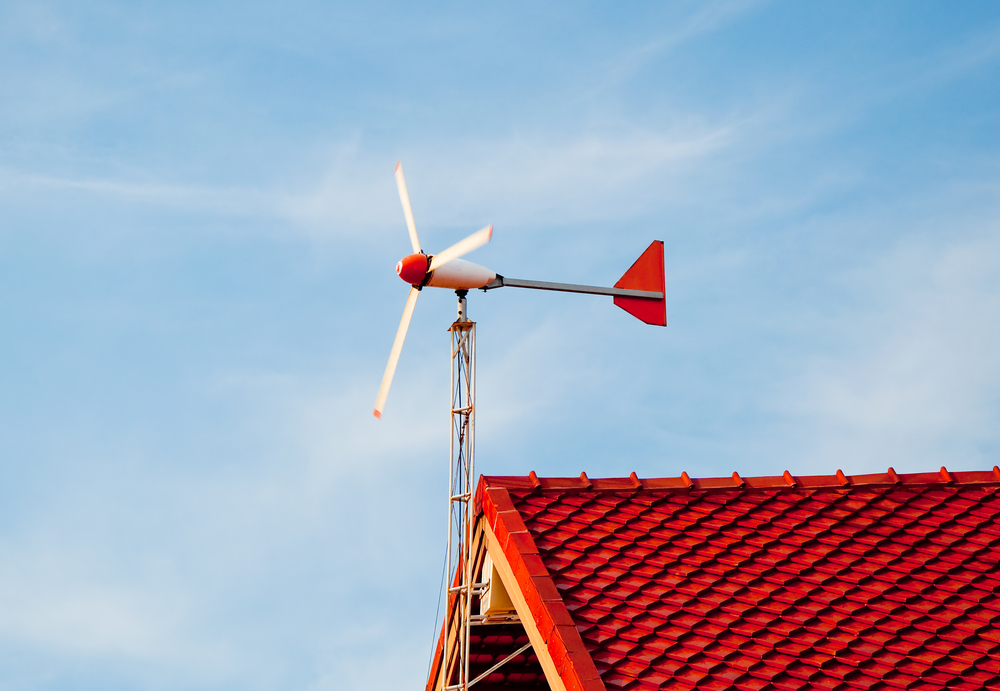
This is not a DIY project. Small wind turbines are complex systems that require specialized knowledge and equipment to install safely and correctly. Hire a certified and experienced installer. They will:
- Prepare the site and pour the foundation.
- Assemble and erect the tower.
- Install the turbine, nacelle, and blades.
- Handle all electrical wiring and component integration.
Step 6: System Commissioning & Grid Connection
Once installation is complete, the system will undergo final inspections by local authorities and the utility company. If all checks out, the system will be commissioned, and for grid-tied systems, it will be connected to the grid. You’re officially generating your own clean power!
Living with Your Wind Turbine: Maintenance and What to Expect
Congratulations, you’re now a wind power producer! But the journey doesn’t end with installation. Like any valuable asset, your wind turbine needs care.
Routine Checks: What a homeowner can do.
While most maintenance requires a professional, you can perform basic visual checks:
- Observe Operation: Does the turbine sound normal? Is it spinning smoothly?
- Check for Obstructions: Are there any new trees or structures blocking the wind?
- Inspect Blades: Look for visible damage, cracks, or debris.
- Look at the Tower: Ensure no visible damage, corrosion, or loosening of guy wires (if applicable).
- Monitor Output: Keep an eye on your system’s monitoring data to detect any unexpected drops in production.
Professional Servicing: When to call the experts.
Most manufacturers recommend professional inspections and maintenance every 1-3 years. This typically includes:
- Lubricating moving parts (if required).
- Checking electrical connections for corrosion or wear.
- Tightening bolts and fasteners.
- Inspecting the gearbox, generator, and braking system.
- Checking battery health and connections for off-grid systems.
Troubleshooting Common Issues: Noise, reduced output.
- Increased Noise: Could indicate worn bearings, loose components, or blade damage. Requires professional inspection.
- Reduced Output: First, check if there’s sufficient wind. If wind is good but output is low, it could be an issue with the generator, inverter, or controller. Your monitoring system should help diagnose this.
- System Shutdowns: Modern turbines have safety features that shut them down in extreme winds or if a fault is detected. Consult your manual or installer.
Lifespan and End-of-Life: What happens next?
A well-maintained small wind turbine system can last 20-25 years or even longer. Key components like the generator and gearbox might need servicing or replacement within that timeframe. At the end of its life, the turbine and tower can often be decommissioned and recycled, similar to other industrial equipment. Planning for this eventual decommissioning cost can be part of your long-term financial strategy.
The Future of Domestic Wind Power
While currently less common than residential solar, the landscape for home wind power is evolving.
- Advancements in Technology: Research continues into more efficient, quieter, and aesthetically pleasing turbine designs, particularly for VAWTs that might be better suited for suburban or even urban environments.
- Increasing Accessibility and Affordability: As manufacturing scales and technology improves, costs are expected to decrease, making wind power more accessible to a broader range of homeowners.
- The Role of Community Wind Projects: For those without ideal home sites, community wind projects (where multiple homes invest in a larger, shared turbine or farm) offer a way to participate in wind energy benefits without individual installation.
Ultimately, domestic wind power is a powerful, albeit niche, solution for reducing your carbon footprint and achieving greater energy independence. It requires careful planning, a suitable site, and a commitment to understanding the technology and its implications. By honestly assessing your property and leveraging available incentives, you can determine if harnessing the breeze is truly in your future.
Frequently Asked Questions
How much does a small wind turbine system cost for a home?
The total installed cost for a small residential wind turbine system in the US typically ranges from $15,000 to over $75,000. This includes the turbine, tower, inverter, installation labor, permitting, and potential battery storage for off-grid or hybrid systems. Exact costs depend heavily on the system size, tower height, and site-specific complexities.
What average wind speed do I need for a home wind turbine to be effective?
For a residential wind turbine to be financially viable and effective, you generally need an average annual wind speed of at least 10-12 miles per hour (4.5-5.5 meters per second) at the proposed turbine height. Locations with higher, more consistent wind speeds will yield better energy production and a faster return on investment.
Can I combine wind power with solar panels for my home?
Yes, a hybrid wind and solar system is often an excellent solution for homes. Wind and solar complement each other well: wind often generates more electricity at night and during winter, while solar excels during daylight hours and in summer. This combination provides a more consistent power supply and greater energy independence.
Are there government incentives for installing home wind turbines in the USA?
Yes, the US federal government offers the Investment Tax Credit (ITC), which can cover 30% of the cost of a qualified residential small wind turbine system. Many states and local municipalities also offer additional rebates, grants, or property tax exemptions. It’s crucial to research current incentives in your specific area through resources like DSIRE.
What are the common challenges with installing a home wind turbine?
The primary challenges include stringent local zoning and permitting regulations (especially regarding tower height, noise, and visual impact), the need for significant land area with unobstructed wind, and the substantial initial investment. Getting an accurate wind resource assessment and navigating local bureaucracy are critical hurdles.
How long do residential wind turbines last and what maintenance do they require?
A well-maintained small wind turbine system can last 20-25 years or more. They require routine visual checks by the homeowner and professional servicing every 1-3 years. Professional maintenance typically includes lubricating parts, checking electrical connections, inspecting blades and the gearbox, and tensioning guy wires. Battery banks (if used) will need replacement every 5-15 years.