Wind Turbine for Tiny House: Your Definitive Guide to Off-Grid Power & Sustainable Living
Dreaming of a tiny house, tucked away, completely off the grid? Maybe you’ve pictured a sleek solar array, but what about harnessing the unseen power of the wind? It’s a compelling idea, isn’t it? The thought of a small turbine silently spinning, generating clean energy for your minimalist haven.
Table of Contents
- Wind Turbine for Tiny House: Your Definitive Guide to Off-Grid Power & Sustainable Living
- Can a Wind Turbine Really Power Your Tiny House? (The Honest Truth)
- The “It Depends” Factor: Understanding Tiny House Energy Needs
- The Core Challenge: Wind’s Intermittency and Location
- Wind Turbines for Powering Tiny Houses: What You Need to Know
- Types of Small-Scale Wind Turbines Suitable for Tiny Homes
- Sizing Your Tiny House Wind Turbine: From Watts to Whirrs
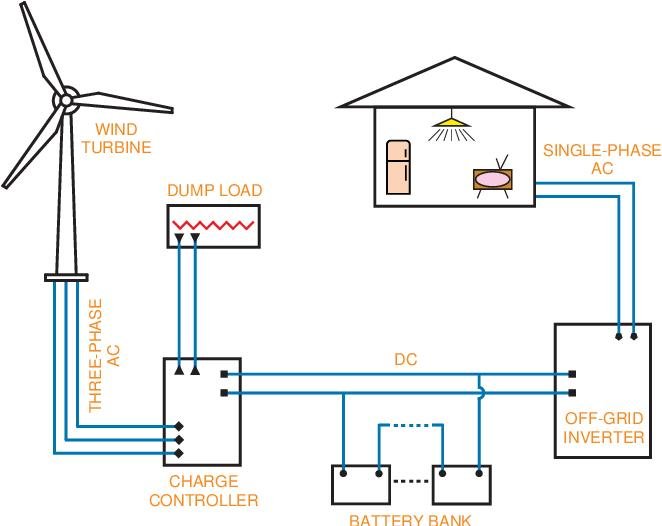
- Key Components of a Tiny House Wind System
- The Cost of Going Windy: Budgeting for Your Tiny House Wind Turbine
- Upfront Costs: Breaking Down the Investment
- Ongoing Costs & Maintenance
- Return on Investment (ROI) for Off-Grid Tiny Houses
- Wind vs. Solar for Tiny Homes: A Head-to-Head Comparison
- Why They’re Often Best Mates: Hybrid Systems
- Practical Considerations & Potential Hurdles for Tiny House Owners
- Site Assessment: Finding Your Wind Sweet Spot
- Noise Pollution: A Real Concern for Neighbors (and You)
- Zoning, Permitting, and HOAs: Navigating the Bureaucracy
- Installation and Maintenance: DIY vs. Professional
- Beyond Powering: Repurposing Wind Turbine Components as Tiny Homes
- The Nacelle Revolution: Turning Waste into Wonder
- The Appeal of Upcycling for Eco-Living
- Conclusion: Is a Tiny House Wind Turbine Right For You?
But here’s the thing: when most people search for “wind turbine for tiny house,” they’re usually thinking of *powering their home. The surprising truth? Many top results talk about tiny homes made from old wind turbine parts! While fascinating, that’s a different beast entirely. We’re here to cut through the confusion and deliver the honest, practical truth about whether a wind turbine can genuinely power your tiny house, and what it truly takes.
If you’re serious about sustainable living and achieving true energy independence in your tiny home, you’ve landed in the right place. Let’s explore the winds of change together.
Can a Wind Turbine Really Power Your Tiny House? (The Honest Truth)
The short answer is: yes, it can. But, like most things in the world of off-grid living, it’s not as simple as just buying a turbine and sticking it in your backyard. It requires careful planning, understanding your energy needs, and a realistic assessment of your site’s wind resource.
The “It Depends” Factor: Understanding Tiny House Energy Needs
Tiny houses are celebrated for their efficiency, often consuming significantly less energy than conventional homes. While a typical American home might use 900 kWh per month, a well-designed tiny house could get by on 100-300 kWh per month, or even less for ultra-efficient setups. This lower demand is a huge advantage for renewable energy systems.
Before you even think about a wind turbine, I always tell people: reduce your energy consumption first. Every watt-hour you don’t use is a watt-hour you don’t need to generate. Think LED lighting, energy-efficient appliances, smart insulation, and mindful usage habits.
The Core Challenge: Wind’s Intermittency and Location
Unlike solar, which provides predictable power during daylight hours, wind is far more fickle. It’s often inconsistent, varying by hour, day, and season. This intermittency is the primary challenge. For a wind turbine to be effective, you need:
- Consistent Wind Speed: Turbines have a “cut-in speed” (the minimum wind speed required to start generating power) and a “rated speed” (the speed at which they produce their maximum power).
- Minimal Obstructions: Trees, buildings, and terrain can create turbulence and reduce wind speed, drastically impacting performance. The higher the turbine, the better.
- Good Average Annual Wind Speed: A site with an average annual wind speed of at least 10-12 MPH (4.5-5.4 m/s) is generally considered viable for small wind.
Without a proper wind resource assessment, you’re essentially guessing, and that’s a costly gamble. A site that looks windy might actually be turbulent and unproductive.
Wind Turbines for Powering Tiny Houses: What You Need to Know
Let’s dive into the practical aspects of integrating wind power into your tiny house energy strategy.
Types of Small-Scale Wind Turbines Suitable for Tiny Homes
For residential use, especially tiny homes, you’ll typically encounter two main types:
- Horizontal Axis Wind Turbines (HAWTs): These are what most people picture – the propeller-style turbines. They are generally more efficient at capturing wind energy and are common in larger utility-scale applications, but smaller versions exist for residential use.
- Vertical Axis Wind Turbines (VAWTs): These have blades that rotate around a vertical axis. They often have a more compact footprint, can handle turbulent wind better, and operate more quietly, making them potentially more suitable for residential areas and smaller properties.
Each has its own set of advantages and disadvantages for a tiny house application.
| Feature | Horizontal Axis Wind Turbines (HAWTs) | Vertical Axis Wind Turbines (VAWTs) |
|---|---|---|
| Appearance | Traditional “propeller” style | Egg-beater, helical, or cup-shaped designs |
| Efficiency | Generally higher, especially in steady, strong winds. More common for higher power output. | Typically lower, but good in turbulent or variable wind conditions. |
| Wind Direction | Must yaw (turn) into the wind, requiring a tail fin or active mechanism. | Omnidirectional; captures wind from any direction without reorientation. |
| Noise Output | Can be louder due to blade tip speed and gearbox (though residential models are quieter). | Generally quieter due to lower tip speeds and simpler designs. |
| Space & Aesthetics | Requires clear space for blade rotation, can be visually imposing. | More compact footprint, potentially more aesthetically pleasing in urban/suburban settings. |
| Maintenance | Some components (gearbox, yaw motor) might require more maintenance. | Simpler design often means fewer moving parts and potentially less maintenance. |
Sizing Your Tiny House Wind Turbine: From Watts to Whirrs
Sizing is critical. You don’t want to overspend on an oversized turbine that rarely reaches its potential, nor do you want an undersized one that leaves you in the dark. Here’s a simplified approach:
- Calculate Your Daily Energy Load: Add up the wattage of all your appliances, multiply by how many hours you use them daily, then sum for a total daily Wh (Watt-hours). Divide by 1000 for kWh. Example: a 100W light used for 5 hours is 500 Wh.
- Factor in Autonomy: How many days of no-wind backup do you need? This impacts your battery bank size more than the turbine itself, but the turbine needs to be able to recharge it.
- Estimate Turbine Output: This is tricky. Manufacturers list rated power (e.g., 500W, 1kW, 1.5kW), but this is at a specific wind speed. Use an online wind energy calculator or consult an expert who can factor in your average wind speed to estimate actual monthly kWh production. For a tiny house, a 400W to 1.5kW turbine is often sufficient if placed correctly in a good wind resource.
Remember, a wind turbine provides power (watts) but you need to meet your energy consumption (watt-hours over time). A 1kW turbine won’t constantly give you 1kW; it fluctuates with the wind.
Key Components of a Tiny House Wind System
A small wind electric system for your tiny house isn’t just the turbine itself. It’s a collection of essential components working in harmony:
- Turbine Head (the Generator): This is where the magic happens, converting wind energy into electricity.
- Tower: Critical for lifting the turbine above obstacles and into cleaner, stronger wind. For tiny homes, smaller guyed or freestanding towers (e.g., 20-60 feet) might be used.
- Charge Controller: Manages the power flow from the turbine to your batteries, preventing overcharging and ensuring optimal battery health.
- Battery Bank: The heart of any off-grid system. It stores the generated electricity for use when the wind isn’t blowing. Lithium-ion batteries are popular for tiny homes due to their efficiency, depth of discharge, and lighter weight, but lead-acid options are more budget-friendly.
- Inverter: Converts the DC (direct current) electricity from your batteries into AC (alternating current) for your household appliances.
- Balance of System (BOS): This includes wiring, safety disconnects, grounding equipment, and metering. Don’t skimp on these; they ensure safety and reliability.
The Cost of Going Windy: Budgeting for Your Tiny House Wind Turbine
Let’s talk dollars and sense. While a wind turbine can offer energy independence, it’s an investment. The good news is that for a tiny house, your system will be considerably smaller (and thus less expensive) than for a traditional home.
Upfront Costs: Breaking Down the Investment
The total cost can vary wildly based on turbine size, type, tower height, battery chemistry, and installation complexity. Here’s a general breakdown for a typical tiny house wind system (e.g., 400W – 1.5kW turbine):
- Turbine Unit: The turbine itself can range from $500 – $4,000+. VAWTs might be on the lower end, higher-quality HAWTs for more power on the higher end.
- Tower & Foundation: This is often the most significant cost component after the turbine, as it requires engineering for structural integrity. Expect $1,000 – $5,000+ depending on height and type (guyed vs. freestanding).
- Battery Storage: A crucial part of any off-grid system. Lithium-ion banks for tiny houses can run $2,000 – $8,000+, while lead-acid options might be $1,000 – $4,000 (but require more maintenance and have a shorter lifespan).
- Inverter & Charge Controller: Quality components will cost around $500 – $2,000.
- Balance of System (BOS) & Wiring: Budget another $300 – $1,000 for miscellaneous electrical components.
- Installation Labor: If you’re not doing it yourself, professional installation can add $1,500 – $5,000+. This often involves heavy equipment for tower erection.
Considering these factors, a complete, installed small wind system for a tiny house can range from $6,000 to $20,000+.
| Component | Estimated Cost Range (USD) | Notes for Tiny House |
|---|---|---|
| Wind Turbine (400W – 1.5kW) | $500 – $4,000 | HAWTs generally more efficient but pricier; VAWTs may be quieter/smaller. |
| Tower & Foundation | $1,000 – $5,000+ | Crucial for optimal wind capture. Height and type impact cost significantly. |
| Battery Bank (e.g., LiFePO4 200-400Ah) | $2,000 – $8,000 | Lithium-ion preferred for efficiency and lifespan; lead-acid is cheaper upfront. |
| Inverter & Charge Controller | $500 – $2,000 | Matches turbine output to battery charge and converts DC to AC. |
| Balance of System (Wiring, Safety) | $300 – $1,000 | Essential for safety and system integrity. |
| Professional Installation (Optional) | $1,500 – $5,000+ | Consider for safety, proper siting, and warranty compliance. |
| TOTAL ESTIMATED COST | $6,000 – $20,000+ | Highly variable based on location, wind resource, and component choices. |
Ongoing Costs & Maintenance
A wind turbine isn’t a set-it-and-forget-it solution. Expect:
- Annual Inspections: Checking bolts, blades, and electrical connections.
- Component Replacement: Batteries have a lifespan (5-15 years for lithium-ion, 3-7 for lead-acid) and will need replacing. Other components like controllers or inverters may fail over time.
- Cleaning: Blades can accumulate dirt or ice, reducing efficiency.
Overall, maintenance for a small wind turbine is generally low but should not be ignored. Ignoring it can lead to costly repairs or premature system failure.
Return on Investment (ROI) for Off-Grid Tiny Houses
For grid-tied systems, ROI is often calculated by how much you save on electricity bills. For an off-grid tiny house, the ROI is often less about direct financial payback and more about energy independence, reliability, and the lifestyle choice it enables. You’re trading a utility bill for an upfront investment and maintenance, gaining freedom from the grid.
However, if you’re comparing it to perpetually buying generator fuel, wind power can certainly pay for itself over time.
Wind vs. Solar for Tiny Homes: A Head-to-Head Comparison
Often, the question isn’t “wind or solar?” but “wind and* solar?”. Most off-grid tiny homes achieve optimal reliability with a hybrid system, combining the strengths of both technologies.
Why They’re Often Best Mates: Hybrid Systems
Solar panels typically perform best on sunny, calm days. Wind turbines excel on cloudy, windy days (including nights). This complementary nature means a hybrid system can provide a more consistent and reliable power supply, minimizing reliance on generators and maximizing energy independence. When one resource is low, the other often picks up the slack.
| Factor | Wind Power for Tiny Homes | Solar Power for Tiny Homes |
|---|---|---|
| Primary Resource | Wind speed and consistency | Sunlight hours and intensity |
| Generation Times | Day or night, as long as wind is present | Daylight hours only |
| Space Requirement | Requires clear, elevated space for tower; less roof space needed. | Requires significant roof or ground space for panels; minimal height needed. |
| Cost (System) | Generally higher upfront due to turbine, tower, and installation complexity. | Often lower upfront; panels are relatively affordable and modular. |
| Maintenance | More moving parts; potential for bearing, blade, or yaw mechanism wear. Periodic checks needed. | Low maintenance; occasional cleaning. No moving parts. |
| Noise | Can be a concern, especially for HAWTs or in quiet areas. VAWTs generally quieter. | Virtually silent. |
| Permitting/Zoning | Can be complex due to height restrictions, setbacks, and noise ordinances. | Generally simpler, fewer restrictions, especially for roof-mounted. |
| Aesthetics | Can be visually prominent, especially with taller towers. | Can be integrated into rooflines; less visually disruptive. |
Practical Considerations & Potential Hurdles for Tiny House Owners
Getting a wind turbine for your tiny house involves more than just buying the equipment. You need to consider the practicalities of installation and ongoing operation.
Site Assessment: Finding Your Wind Sweet Spot
This is arguably the most critical step. A wind turbine in a low-wind area is just an expensive lawn ornament. Here’s how to approach it:
- Observe Your Site: Are there consistent breezes? Do trees bend often?
- Check Wind Maps: Online resources often provide generalized wind data for regions.
- Professional Assessment: For serious setups, a wind energy professional can install an anemometer (wind meter) for a few months to gather precise data. This is an investment that can save you from a major mistake.
- Obstacle Clearance: The rule of thumb is that the bottom of your turbine blades should be at least 30 feet (9 meters) higher than any obstacle within a 300-foot (90-meter) radius. This prevents turbulence.
Noise Pollution: A Real Concern for Neighbors (and You)
While small residential turbines are far quieter than their utility-scale cousins, they are not silent. HAWTs can produce a whooshing sound from the blades, and some mechanical noise. VAWTs tend to be quieter due to lower tip speeds and simpler designs, often described as a gentle hum.
Consider:
- Your Proximity to Neighbors: Will the sound be disruptive?
- Your Own Tolerance: Can you live with the ambient noise?
- Setbacks: Local ordinances often mandate minimum distances from property lines, partly to mitigate noise.
Zoning, Permitting, and HOAs: Navigating the Bureaucracy
This is where many aspiring wind power enthusiasts hit a wall. Local regulations vary dramatically. Before you buy anything, you MUST:
- Check Local Zoning Ordinances: Are wind turbines allowed in your area? What are the height restrictions? Setback requirements?
- Obtain Building Permits: Installing a tower and a generation system almost always requires permits. This can involve structural reviews, electrical inspections, and environmental assessments.
- Consult Your Homeowner’s Association (HOA): If you’re in an HOA, there will almost certainly be rules against visible wind turbines.
The process can be lengthy and frustrating, so start early and be prepared for potential roadblocks. A local renewable energy installer can often help navigate this bureaucratic maze.
Installation and Maintenance: DIY vs. Professional
While some handy tiny house owners might consider a DIY install for smaller turbines, I strongly recommend professional help for anything involving tower erection and electrical connections. Safety is paramount when working at heights and with electricity. Professionals ensure:
- Proper Siting & Tower Installation: Crucial for performance and safety.
- Safe Electrical Wiring: Prevents hazards and ensures system longevity.
- Warranty Compliance: Many manufacturers require professional installation for warranties to be valid.
Ongoing maintenance, like annual checks and cleaning, can often be done by the homeowner after proper training, but heavier repairs or battery replacements might require a professional.
Beyond Powering: Repurposing Wind Turbine Components as Tiny Homes
As mentioned earlier, some of the top search results for “wind turbine for tiny house” refer to a different, but equally fascinating, concept: transforming discarded wind turbine components into actual living spaces. This isn’t about generating power, but about ultra-sustainable reuse.

The Nacelle Revolution: Turning Waste into Wonder
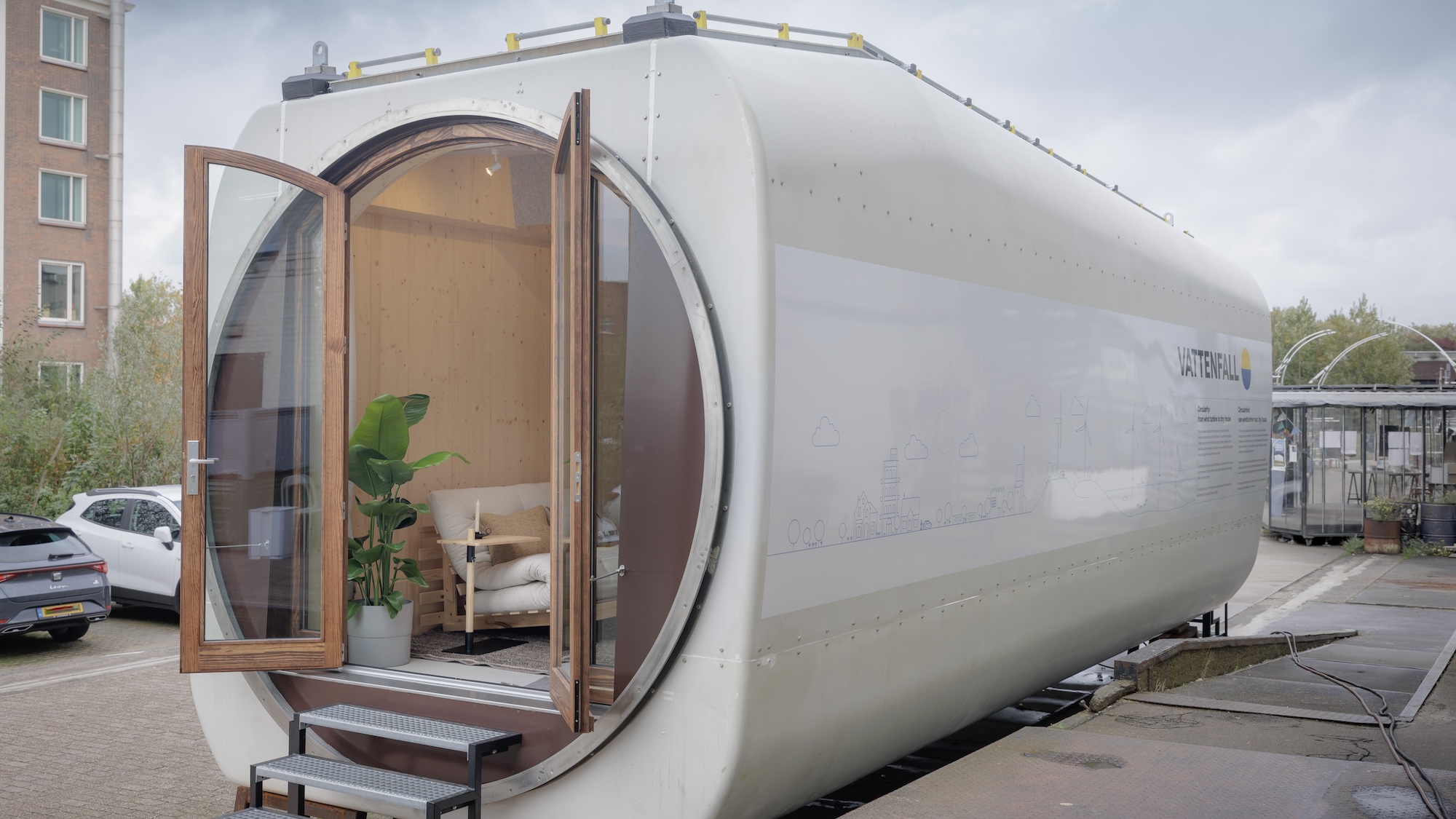
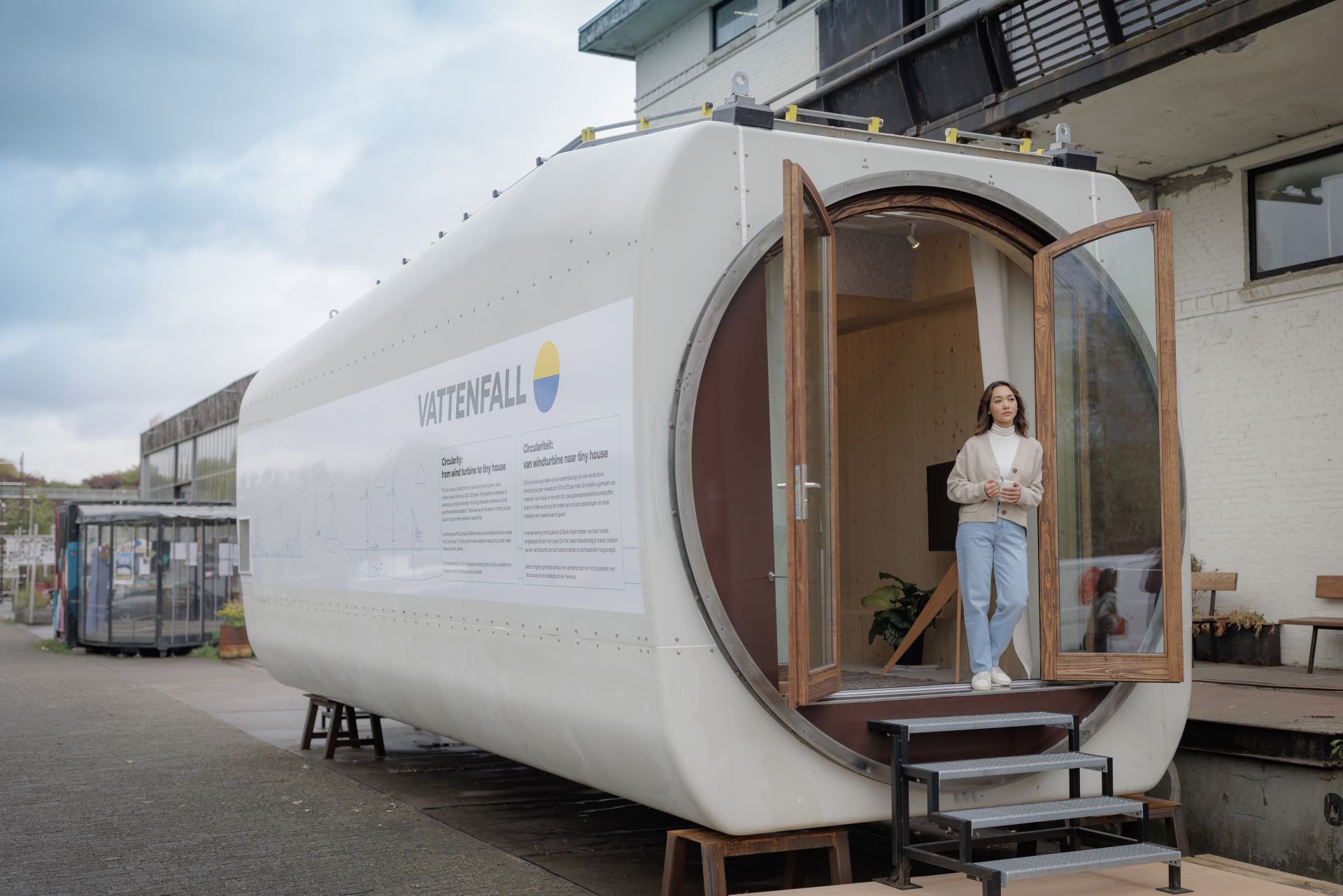
A wind turbine nacelle is the enclosure at the top of the tower that houses the gearbox, generator, and other vital components. These nacelles are large, robust, and often discarded when a turbine reaches its end-of-life or needs an upgrade. Visionary designers and companies (like Vattenfall and Superuse Studios) have taken on the challenge of converting these massive structures into unique, compact dwellings.
- Pros:
- Unique & Sustainable: A truly one-of-a-kind home with a story of circular economy.
- Durable Structure: Nacelles are built to withstand extreme weather, offering inherent strength.
- Spacious (for a Tiny): Often 10 meters long and 4 meters wide, they offer more interior space than many traditional tiny houses.
- Cons:
- Logistical Challenge: Transporting and converting a nacelle is incredibly complex and requires specialized equipment and expertise.
- Cost: While the raw material might be repurposed, the conversion process is likely expensive.
- Limited Availability: Not exactly something you can buy off the shelf.
The Appeal of Upcycling for Eco-Living
This approach embodies the highest principles of sustainable design – moving beyond recycling to genuine upcycling. It’s a powerful statement about waste reduction and finding innovative solutions to housing and environmental challenges. While not a practical path for most, it showcases the creative potential within the renewable energy sector.
Conclusion: Is a Tiny House Wind Turbine Right For You?
A wind turbine can absolutely be a viable and powerful component of an off-grid tiny house energy system. It offers incredible potential for energy independence, especially when paired with solar. However, it’s not a one-size-fits-all solution.
Before you commit, be honest with yourself about your wind resource, your budget, your local regulations, and your willingness to maintain the system. If you have a consistently windy site, a commitment to sustainable living, and an understanding of the investment involved, then a wind turbine could be the perfect silent partner for your tiny house, whirring away as you live your independent, eco-conscious dream.
Frequently Asked Questions
How much energy does a tiny house typically need?
A well-insulated and energy-efficient tiny house typically requires significantly less energy than a conventional home, often in the range of 100-300 kWh per month, depending on appliance use and climate. Prioritizing energy reduction first is key.
Are wind turbines efficient enough to power a tiny house completely?
Yes, a properly sized wind turbine can significantly contribute to, or even fully power, a tiny house, especially if combined with battery storage. However, success depends heavily on a consistent wind resource at the site and matching the turbine’s output to the home’s energy demands. Often, a hybrid wind-solar system offers the most reliable off-grid solution.
What is the average cost of installing a wind turbine for a tiny house?
The total cost for a small wind system (400W to 1.5kW) for a tiny house can range from $6,000 to $20,000+. This includes the turbine, tower, battery bank, inverter, charge controller, and potential installation labor. Costs vary widely based on component quality, tower height, and site-specific installation complexities.
What are the main differences between HAWTs and VAWTs for tiny homes?
Horizontal Axis Wind Turbines (HAWTs) are propeller-style, generally more efficient in steady winds, but can be noisier and require reorienting with wind direction. Vertical Axis Wind Turbines (VAWTs) are omnidirectional, often quieter, more compact, and perform better in turbulent winds, though typically with lower peak efficiency. The choice depends on site conditions, noise tolerance, and aesthetic preferences.
Do I need permits to install a wind turbine for my tiny house?
Almost certainly. Most municipalities have zoning ordinances, height restrictions, and permitting requirements for wind turbine installations due to their size, height, and potential for noise. It’s crucial to research your local regulations and consult with planning departments or a professional installer early in the process.
Is a hybrid wind-solar system better than just wind for a tiny house?
For off-grid tiny houses, a hybrid wind-solar system is often superior to a single source. Wind power is strong on cloudy days and at night, while solar excels during sunny daylight hours. This combination provides a more consistent and reliable energy supply, reducing reliance on backup generators and maximizing energy independence throughout the year.
What is a ‘nacelle tiny house’ and how does it relate to powering a tiny house?
A ‘nacelle tiny house’ refers to a tiny home constructed by repurposing the nacelle (the main housing unit at the top of a wind turbine tower) of a decommissioned industrial wind turbine. It’s a unique upcycling project focused on sustainable housing, but it does NOT inherently generate power for the tiny house itself. You would still need to install a separate power system (like a small wind turbine or solar panels) to power a nacelle tiny house.