Wind Turbine on My Land: Your Definitive Guide to Powering Up or Profiting
Imagine harnessing the unseen power flowing across your property, transforming it into clean electricity. Whether you’re dreaming of energy independence for your home or farm, or envisioning a steady income stream by leasing your land to a commercial wind farm developer, the idea of a wind turbine on your land is compelling. But is it realistic? And where do you even begin?
Table of Contents
- Wind Turbine on My Land: Your Definitive Guide to Powering Up or Profiting
- Is Wind Energy Right for Your Land? A Crucial First Look
- Wind Resource Assessment: The Factor
- Land Size & Topography: More Than Just Acres
- Proximity to Grid & Access
- Zoning, Permitting, and Local Regulations: The Unseen Hurdles
- Option 1: Small-Scale Wind Turbines for Home & Farm Use
- Who is This For?
- Types of Small Wind Turbines: Vertical vs. Horizontal Axis
- Sizing Your System: What Do You Really Need?
- Costs & ROI for Residential Systems
- Installation Process & Maintenance Realities
- Grid-Tied vs. Off-Grid: Making the Connection
- Option 2: Leasing Your Land for a Commercial Wind Farm
- Is Your Land a Candidate for a Utility-Scale Project?
- The Wind Farm Development Process: What to Expect
- Negotiating a Wind Lease Agreement: Key Considerations
- Financial Incentives & Support Programs (For Both Options)
- The Environmental & Community Impact
- Benefits: Clean Energy, Reduced Carbon Footprint
- Considerations: Wildlife, Noise, Visual Aesthetics, Property Values
- Next Steps: Turning Your Wind Dreams into Reality
- Final Thoughts: Harnessing the Power of Your Land
You’re not alone in these questions. Many landowners across the United States are looking to capitalize on their natural resources. The good news is, wind energy is more accessible and beneficial than ever. This guide will walk you through everything you need to know, from assessing your land’s potential to navigating the installation or leasing process, helping you decide if a wind turbine is your next smart move.
Is Wind Energy Right for Your Land? A Crucial First Look
Before you get swept away by the possibilities, the first step is a grounded assessment of your property’s suitability. Not all land is created equal when it comes to wind energy. Several key factors determine whether a wind turbine – of any size – makes sense for you.
Wind Resource Assessment: The Factor
This is non-negotiable. Without sufficient, consistent wind, a turbine is an expensive ornament. What constitutes ‘sufficient’? For small residential turbines, an average wind speed of at least 10 mph (4.5 m/s) at the turbine’s hub height is generally recommended. For utility-scale projects, developers are looking for significantly higher average speeds, often 14 mph (6 m/s) or more, consistently, over a large area.
How do you find out your wind speed? You can start with online wind maps (like those from the Department of Energy’s WINDExchange), but for serious consideration, you’ll need a professional wind resource assessment. This involves installing an anemometer (a wind speed measurement device) on a meteorological tower for at least a year to gather accurate, site-specific data.
| US Region | Illustrative Average Wind Speed (mph) at 80m Height | Suitability for Utility-Scale | Suitability for Small-Scale |
|---|---|---|---|
| Great Plains (e.g., KS, IA, OK) | 16-20+ | Excellent | Excellent |
| Midwest (e.g., IL, MN) | 14-18 | Very Good | Very Good |
| Coastal Areas (e.g., TX, CA, East Coast) | 12-16 | Good (with caveats) | Good |
| Mountainous Regions (e.g., WY, MT) | 15-19 | Excellent | Very Good |
| Southeastern US (Inland) | 8-12 | Limited | Marginal to Fair |
Land Size & Topography: More Than Just Acres
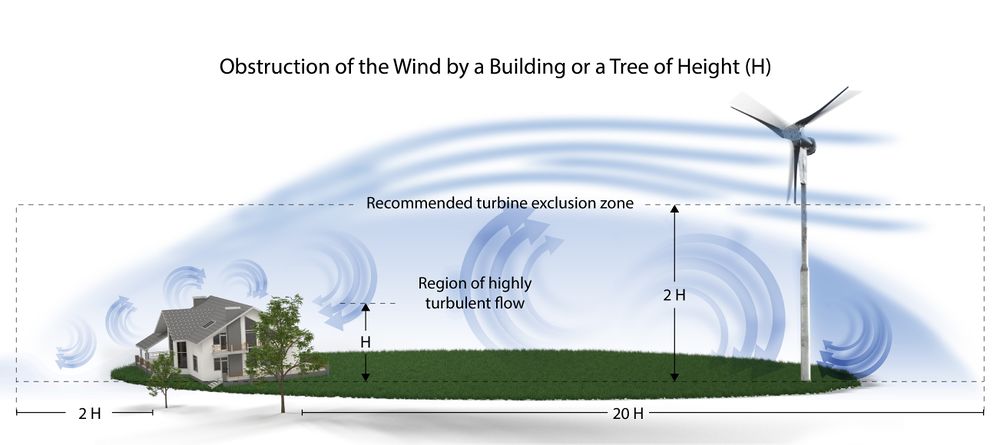
The amount of land you have matters significantly. For a single residential turbine, you’ll need enough clear space, free from obstructions like tall trees or buildings, to ensure optimal wind flow. Think about a buffer zone from property lines and residential structures.
For a utility-scale wind farm, the land requirements are vast. Developers often look for parcels of at least 500-1,000 acres, though individual turbines might only occupy a few acres directly. The large acreage is needed for proper turbine spacing (typically 5-10 rotor diameters apart), access roads, substations, and transmission lines. Flat to gently rolling terrain is usually preferred as it minimizes construction costs and provides better wind capture.
Proximity to Grid & Access
Whether you’re installing a small turbine or leasing for a large farm, connection to the electrical grid is crucial for most projects. Grid-tied residential systems feed excess power back to the utility, while commercial farms depend entirely on grid access to sell their electricity. The closer your land is to existing transmission lines or substations, the less expensive and complex the grid connection will be.
Access for construction and maintenance vehicles is also a significant consideration. Utility-scale projects require heavy equipment access, meaning good road infrastructure leading to and within the property.
Zoning, Permitting, and Local Regulations: The Unseen Hurdles
This is often where wind projects hit their first major roadblock. Zoning ordinances, setback requirements (distance from property lines, homes, roads), height restrictions, noise limits, and environmental impact assessments vary wildly by county and even by township. Before investing any serious time or money, you MUST research your local jurisdiction’s specific rules for wind energy systems. This often involves contacting your county planning department or zoning board.
Option 1: Small-Scale Wind Turbines for Home & Farm Use
If your goal is to reduce or eliminate your electricity bill, achieve energy independence, or power remote operations, a small wind turbine might be your answer.
Who is This For?
Small wind systems are ideal for properties with consistent wind resources, enough open space, and a desire to offset electricity costs. Farmers, rural homeowners, and small businesses are prime candidates. They are particularly attractive if you’re in an area with high electricity rates or frequent power outages.
Types of Small Wind Turbines: Vertical vs. Horizontal Axis
Small wind turbines typically fall into two main categories:
- Horizontal Axis Wind Turbines (HAWTs): These are what most people picture – the propeller-style turbines. They are generally more efficient at capturing wind energy but require proper orientation into the wind.
- Vertical Axis Wind Turbines (VAWTs): These have blades that spin around a vertical axis. They are often quieter, can capture wind from any direction without reorienting, and are sometimes preferred in urban or more confined spaces, though generally less efficient than HAWTs of comparable size.
| Feature | Horizontal Axis Wind Turbines (HAWTs) | Vertical Axis Wind Turbines (VAWTs) |
|---|---|---|
| Efficiency | Generally Higher (35-50%+) | Generally Lower (10-30%) |
| Wind Direction | Needs to face into wind (yaw mechanism) | Omnidirectional (no yaw needed) |
| Noise Level | Can be noticeable, especially larger models | Generally Quieter |
| Installation | Requires significant tower height for optimal wind | Can be mounted closer to the ground, potentially easier |
| Maintenance | Typically fewer moving parts exposed to ground level | Can be easier to access some components for maintenance |
Sizing Your System: What Do You Really Need?
The size of your turbine (rated in kilowatts, kW) depends on your energy consumption. Look at your past utility bills to find your average monthly kilowatt-hour (kWh) usage. A typical US home uses around 900 kWh/month. Small wind turbines range from 400 Watts to 100 kW. A 5-15 kW turbine is often sufficient for a single home, while larger farms or businesses might need 20-100 kW.
It’s vital to pair your turbine size with your actual needs and, importantly, your site’s wind resource. An undersized turbine won’t meet your demand, and an oversized one might produce more than you can use or sell, making it uneconomical.

Costs & ROI for Residential Systems
A residential wind turbine system can range from $30,000 to $80,000+ for a typical 5-15 kW system, including the turbine, tower, inverter, wiring, and installation. This is a significant upfront investment, but the return comes from reduced or eliminated electricity bills and potential income from selling excess power back to the grid (net metering). Payback periods can range from 5 to 20 years, heavily depending on wind resource, system cost, local electricity rates, and available incentives.
Installation Process & Maintenance Realities
Installing a small wind turbine is not a DIY project. It involves site assessment, foundation work, tower erection, electrical wiring, and commissioning, all requiring specialized skills and equipment. Professional installers ensure safety and optimal performance.
Maintenance is also a factor. Turbines have moving parts that require periodic inspection, lubrication, and potential replacement over their 20-25 year lifespan. Regular maintenance helps ensure efficiency and longevity.
Grid-Tied vs. Off-Grid: Making the Connection
- Grid-Tied Systems: Most small wind systems are connected to the existing utility grid. When your turbine produces more power than you need, the excess is fed back into the grid, and you typically receive a credit (net metering). When your turbine isn’t producing enough (low wind), you draw power from the grid.
- Off-Grid Systems: For truly remote locations, an off-grid system combined with battery storage is an option. While offering complete energy independence, these systems are generally more expensive due to the cost of batteries and require careful management of energy consumption.
Option 2: Leasing Your Land for a Commercial Wind Farm
If your land is expansive and consistently windy, leasing it for a utility-scale wind farm can offer a substantial, long-term income stream without you needing to manage the energy production yourself.
Is Your Land a Candidate for a Utility-Scale Project?
Wind farm developers are looking for very specific characteristics when scouting locations.
- Land Requirements: Acreage, Spacing, & Beyond: As mentioned, hundreds to thousands of contiguous acres are often needed. Each turbine requires a ‘footprint’ of land, but more importantly, a large buffer for optimal wind capture and to minimize wake effects on downwind turbines. They also need space for internal access roads, collector lines (to gather power from turbines), substations, and potentially an operations & maintenance building.
- Wind Resource: Not Just “Windy” – Consistently Windy: Developers employ sophisticated modeling and long-term meteorological data to identify areas with a high capacity factor – meaning the turbines can operate near their maximum potential for a significant portion of the year. Sporadic gusts aren’t enough; consistent, high-speed wind is key.
- Infrastructure & Grid Access: Essential Connections: Proximity to high-voltage transmission lines is paramount. The cost of building new transmission infrastructure can be prohibitive, so developers prioritize sites near existing lines or substations with available capacity.
The Wind Farm Development Process: What to Expect
The process of a commercial wind farm development is lengthy, often taking 5-10 years from initial scouting to operation. It typically involves:
- Site Identification & Initial Due Diligence: Developers use wind maps, satellite imagery, and grid maps to identify promising areas.
- Landowner Outreach & Lease Negotiations: Developers contact landowners to discuss leases, offering initial payments for wind resource assessment and feasibility studies.
- Wind Resource Assessment: Meteorological towers are installed to gather 1-2+ years of highly accurate wind data.
- Environmental & Permitting Studies: Detailed studies on wildlife, wetlands, cultural resources, and noise are conducted to meet local, state, and federal regulations.
- Financing & Power Purchase Agreements (PPAs): The developer secures financing and signs agreements with utilities to sell the generated electricity.
- Construction: Roads are built, foundations poured, turbines erected, and electrical infrastructure installed.
- Operation & Maintenance: The wind farm begins generating power, with ongoing maintenance.
Negotiating a Wind Lease Agreement: Key Considerations
If a developer approaches you, congratulations – your land is considered highly valuable! However, a wind lease is a complex legal document, often spanning 30-50 years. You MUST have an attorney specializing in energy leases review any agreement before signing.
- Compensation Models: Royalties, Fixed Payments, & More:
- Per-Acre Payments: Common during the initial development phase, often $5-$40 per acre annually.
- Per-Turbine Payments: A fixed annual payment for each turbine located on your property, often $5,000-$10,000+ per turbine per year.
- Revenue Share/Royalties: A percentage of the gross revenue generated by turbines on your land (e.g., 2-5%). This can be lucrative but also ties your income to the farm’s performance and electricity prices.
- Hybrid Models: A combination of the above.
Always ensure your agreement specifies how payments are calculated, when they are paid, and includes escalation clauses for inflation.
- Easements & Access Rights: The developer will need easements for turbines, access roads, transmission lines, and possibly meteorological towers. Understand exactly where these will be and how they might impact your other land uses (farming, hunting, etc.).
- Decommissioning Clauses: Protecting Your Future: This is CRITICAL. Ensure the lease clearly outlines the developer’s responsibility and financial assurance (e.g., bond, escrow account) to dismantle turbines, remove foundations, and restore your land to its original condition at the end of the project’s life. Without this, you could be left with abandoned infrastructure.
- Environmental Impact & Land Use Restrictions: Understand any limitations the wind farm might place on your ability to use your land for other purposes (e.g., building, specific agricultural practices).
Financial Incentives & Support Programs (For Both Options)
Whether you’re going small or big, various incentives can significantly improve the economics of your wind project.
- Federal Tax Credits (e.g., Investment Tax Credit – ITC): The federal Investment Tax Credit (ITC) for renewable energy projects, including wind, can provide a substantial percentage (currently 30% for qualifying projects) of the project’s cost as a tax credit. This is available for both residential and commercial-scale systems.
- State & Local Incentives: Grants, Rebates, SRECs: Many states offer their own incentive programs, which can include grants, rebates, property tax exemptions, or renewable energy credits (RECs). RECs represent the environmental attributes of renewable electricity generation and can be sold in some markets. Check with your state energy office or local utility.
- Net Metering Policies (for residential): Available in most states, net metering allows grid-tied residential systems to send excess electricity back to the grid and receive credit on their utility bill. This effectively turns your meter backward.
- USDA Rural Energy for America Program (REAP): For agricultural producers and rural small businesses, the USDA’s REAP program offers grants and loan guarantees for renewable energy systems, including wind turbines. This can be a game-changer for reducing upfront costs.
The Environmental & Community Impact
Beyond the financial aspects, consider the broader implications of having a wind turbine on your land.
Benefits: Clean Energy, Reduced Carbon Footprint
The primary benefit is obvious: you’re contributing to a cleaner energy future by reducing reliance on fossil fuels. This means lower carbon emissions, better air quality, and a more sustainable energy grid.
Considerations: Wildlife, Noise, Visual Aesthetics, Property Values
- Wildlife: While modern turbines have vastly improved, bird and bat mortality can still be a concern. Proper siting and sometimes mitigation strategies are necessary.
- Noise: Turbines do generate some noise, often described as a ‘whoosh’ sound. Setback requirements are designed to keep noise levels below nuisance thresholds for nearby residents.
- Visual Aesthetics: A turbine on your landscape is a significant visual change. This is subjective, but it’s a factor for you and your neighbors.
- Property Values: Studies on the impact of wind farms on property values are mixed and often contentious. Some show no significant long-term impact, while others suggest a slight decrease in proximity to turbines. This is a point to research locally.
Next Steps: Turning Your Wind Dreams into Reality
Ready to move forward? Here’s a logical progression of steps:
- Step 1: Preliminary Site Assessment: Use online wind maps (e.g., NREL’s Dynamic Maps) and topographical tools to get a rough idea of your land’s wind potential and clear space.
- Step 2: Research Local Regulations & Incentives: Contact your county planning/zoning department and state energy office. Understand what’s permitted and what financial assistance is available.
- Step 3: Consult with Experts:
- For small wind: Find a certified small wind installer in your area.
- For commercial lease: If approached by a developer, engage an independent attorney specializing in wind leases and potentially a land agent to represent your interests.
- Step 4: Financial Planning & Project Sizing: Work with your chosen expert to conduct a detailed feasibility study, including an accurate wind resource assessment, system sizing (for small wind), cost estimates, and a financial pro forma (ROI, payback period).
- Step 5: Installation or Lease Negotiation: Proceed with securing financing and installing your small wind system, or negotiate and finalize your commercial wind lease agreement.
Final Thoughts: Harnessing the Power of Your Land
The journey to installing a wind turbine on your land or participating in a commercial wind farm is multifaceted, involving careful planning, financial investment, and navigating regulations. However, the rewards – whether energy independence, significant long-term income, or the satisfaction of contributing to a sustainable future – can be immense. By following a structured approach and seeking expert advice, you can confidently determine if harnessing the wind is the right path for your property and secure a powerful legacy for your land.
Frequently Asked Questions
What is the minimum land size required for a wind turbine?
For a small residential wind turbine (5-15 kW), you typically need at least 1-3 acres of clear, unobstructed land to ensure optimal wind flow and meet setback requirements. For utility-scale wind farms, developers usually require contiguous parcels of 500-1,000 acres or more for multiple turbines and associated infrastructure.
How much does it cost to install a residential wind turbine?
The cost for a residential wind turbine system (e.g., 5-15 kW) in the US generally ranges from $30,000 to $80,000+, including the turbine, tower, inverter, wiring, and professional installation. This cost can be significantly offset by federal tax credits and state/local incentives.
How much can I get paid for leasing my land for a wind farm?
Lease payments for commercial wind farms vary widely. Landowners can receive initial per-acre payments (e.g., $5-$40/acre annually) during development, fixed annual payments per turbine (e.g., $5,000-$10,000+ per turbine per year), or a percentage of the gross revenue (royalties, typically 2-5%). Many agreements are a hybrid of these models, and specific terms depend heavily on location, wind resource, and negotiation.
Do I need strong wind all the time for a wind turbine to be effective?
Yes, consistent, strong wind is crucial. For small residential turbines, an average wind speed of at least 10 mph (4.5 m/s) at the turbine’s hub height is recommended. Commercial wind farms seek sites with average speeds often exceeding 14 mph (6 m/s) to ensure profitable operation. Sporadic gusts are not enough; sustained wind is key.
What are the biggest challenges landowners face when considering a wind turbine?
The biggest challenges often include conducting accurate wind resource assessments, navigating complex local zoning and permitting regulations (setbacks, height restrictions, noise limits), the significant upfront cost for small systems, and the intricate legal negotiations involved in commercial wind leases, particularly regarding compensation and decommissioning.
Are there financial incentives available for wind energy projects in the USA?
Absolutely. Key incentives include the federal Investment Tax Credit (ITC), which offers a substantial tax credit for qualifying projects. Many states and local jurisdictions also provide grants, rebates, property tax exemptions, and Renewable Energy Credits (RECs). Additionally, the USDA Rural Energy for America Program (REAP) offers grants and loan guarantees for rural businesses and agricultural producers.