
Wind Turbine vs. Solar Panels: The Ultimate Guide to Powering Your Home
Looking to ditch high electricity bills and embrace clean energy? You’ve landed in the right place. Deciding between a wind turbine and solar panels for your home can feel like choosing between two superheroes: both are powerful, but each has unique strengths and weaknesses. Forget generic advice – this guide will help you understand the nuances, crunch the numbers, and ultimately make the best decision for your specific home and lifestyle.
Table of Contents
- Wind Turbine vs. Solar Panels: The Ultimate Guide to Powering Your Home
- Quick Look: Solar vs. Wind at a Glance
- Deeper Dive: Unpacking Solar Panel Technology
- How Solar Panels Work: The Photovoltaic Process
- Advantages of Solar Power for Homeowners
- Disadvantages of Solar Power
- Costs & ROI for Solar Installations
- Deeper Dive: Unpacking Wind Turbine Technology
- How Wind Turbines Work: Harnessing Kinetic Energy
- Advantages of Home Wind Power
- Disadvantages of Home Wind Power
- Costs & ROI for Wind Turbine Installations
- The Battle of the Renewables: Head-to-Head Comparison
- Energy Production & Efficiency: Who Generates More?
- Cost & Financial Viability: What’s the Real Price Tag?
- Space & Siting Requirements: Where Do They Fit?
- Environmental Impact & Sustainability
- Maintenance & Lifespan: What’s the Long Haul Like?
- Aesthetics & Noise: Living with Your Energy Source
- Which One Is Right For You? Scenario-Based Decisions
- Choose Solar If…
- Consider Wind If…
- The Hybrid Advantage: Why Two Are Better Than One
- The Future of Home Renewable Energy
- Innovations on the Horizon
- Policy & Incentives
- Conclusion: Making an Informed Choice for Your Home
So, which is better: wind or solar? The honest answer is: it depends entirely on your situation. For most residential properties in the US, solar panels currently offer a more accessible, cost-effective, and straightforward path to renewable energy. However, there are compelling scenarios where wind power shines, and often, combining both offers the ultimate resilience. Let’s break down everything you need to know.
Quick Look: Solar vs. Wind at a Glance
Before we dive deep, here’s a quick overview to set the stage. Solar panels capture energy from the sun, converting photons into electricity. Wind turbines harness the kinetic energy of moving air to spin blades, which then drive a generator. Both are fantastic for reducing your carbon footprint and energy bills, but their optimal performance hinges on different factors.
| Feature | Solar Panels | Small Wind Turbine |
|---|---|---|
| Primary Resource | Sunlight | Wind |
| Typical Residential Size | 4-12 kW system (10-30 panels) | 1-10 kW system (1-2 turbines) |
| Average Installed Cost (US) | $15,000 – $30,000 (before incentives) | $30,000 – $70,000 (before incentives) |
| Energy Conversion Efficiency | 17-23% (module efficiency) | 30-50% (of wind’s kinetic energy) |
| Capacity Factor (typical US residential) | 15-25% | 25-40% (if ideal wind) |
| Maintenance | Low (occasional cleaning) | Moderate (annual checks, moving parts) |
| Ideal Conditions | Abundant, unobstructed sunlight | Consistent, strong, laminar wind (10+ mph average) |
| Noise | Virtually silent | Low hum (can be noticeable at close range) |
| Aesthetics | Integrated onto roof, less obtrusive | Prominent tower structure, can be visually impactful |
| Lifespan | 25-30+ years | 20-25 years (major components) |
Deeper Dive: Unpacking Solar Panel Technology
Solar energy is often the first renewable source people consider for their homes, and for good reason. It’s widely available, increasingly affordable, and relatively simple to install in many locations.
How Solar Panels Work: The Photovoltaic Process
At its core, a solar panel is a collection of photovoltaic (PV) cells, typically made from silicon. When sunlight hits these cells, it excites electrons, creating an electric current. This direct current (DC) electricity is then sent to an inverter, which converts it into alternating current (AC) – the type of electricity your home appliances use. Any excess electricity can be sent back to the grid (net metering) or stored in batteries for later use.
Advantages of Solar Power for Homeowners
- Widespread Accessibility: If you have a roof that gets decent sunlight, you likely have a viable site for solar. It doesn’t require specific geological features or high wind speeds.
- Low Maintenance: Once installed, solar panels require very little upkeep. An occasional rinse to remove heavy dust or debris, and perhaps an inverter check every 10-15 years, is often all that’s needed.
- Virtually Silent Operation: Solar panels operate without any moving parts, meaning no noise pollution – a significant advantage for residential areas.
- Decreasing Costs & Strong Incentives: The cost of solar installation has dropped dramatically over the past decade. Federal tax credits (like the Investment Tax Credit, ITC) and various state/local incentives can significantly reduce the upfront cost, making ROI more attractive.
- Scalability: You can start with a smaller system and expand it later if your energy needs grow or your budget allows.
- Proven Technology: Solar PV is a mature and highly reliable technology with a long track record of performance.
Disadvantages of Solar Power
- Intermittency: Solar panels only produce electricity when the sun is shining. This means no power at night and reduced output on cloudy days. Battery storage can mitigate this, but adds to the cost.
- Space Requirements: A typical home requires a significant amount of roof space (or ground space) that is unobstructed by shade for optimal panel placement.
- Material Sourcing & Disposal: While clean in operation, the manufacturing of solar panels can be energy-intensive, and disposal at end-of-life is an emerging environmental consideration, though recycling programs are growing.
- Aesthetic Concerns: While improving, some homeowners dislike the visual appearance of panels on their roofs, though ‘invisible’ or integrated solar shingles are becoming available.
Costs & ROI for Solar Installations
The average cost for a residential solar system in the US can range from $15,000 to $30,000 before incentives, for a 4kW to 12kW system. The federal ITC allows you to claim a percentage of your system cost as a tax credit, significantly reducing the net cost. Many states also offer their own rebates, performance payments, or property tax exemptions. With these incentives, the payback period for solar typically ranges from 6 to 10 years, after which you’re generating largely free electricity.
Deeper Dive: Unpacking Wind Turbine Technology
While large commercial wind farms are common sights, small-scale wind turbines for residential use are a different beast. They can be incredibly effective in the right location, but they come with a unique set of considerations.
How Wind Turbines Work: Harnessing Kinetic Energy
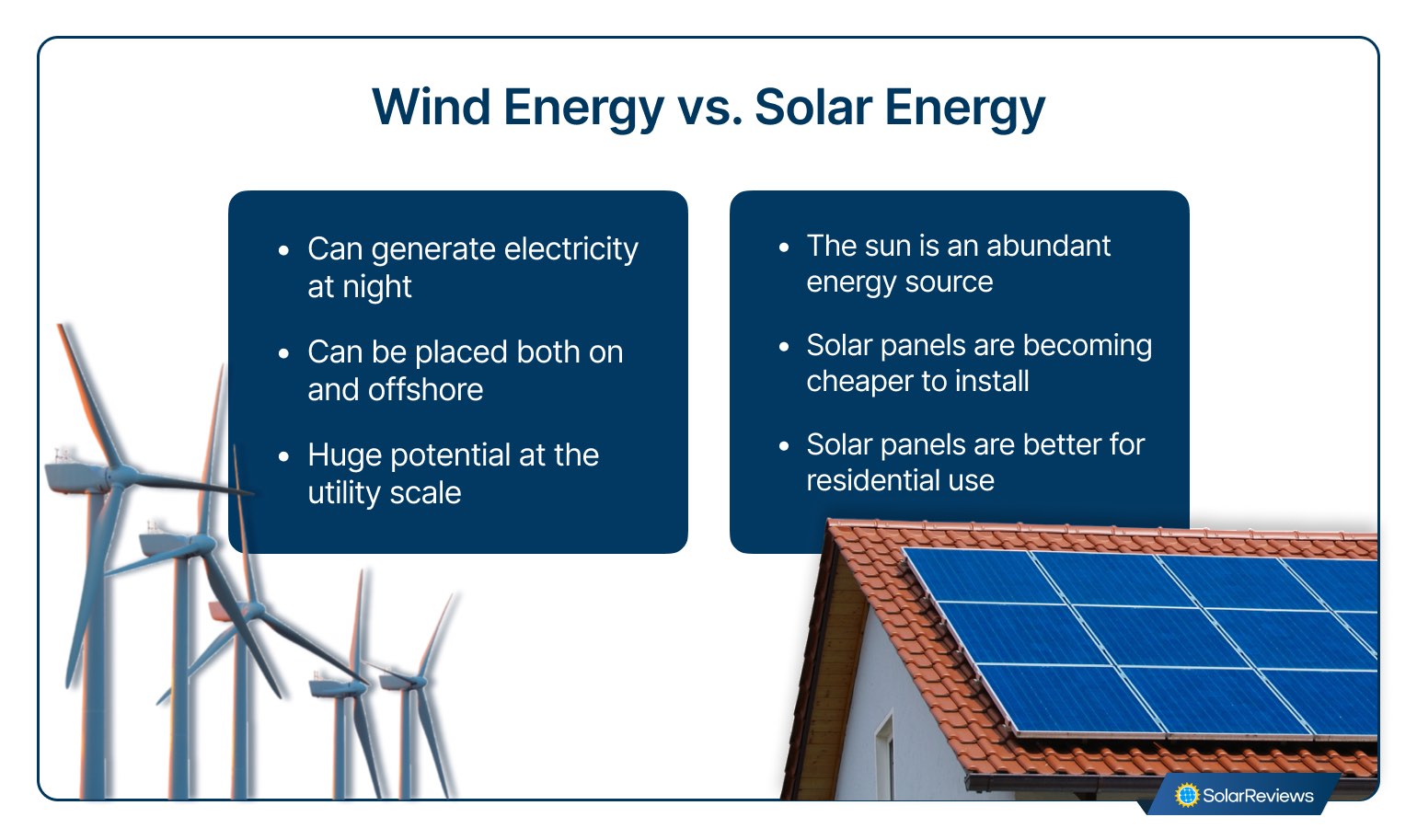
A wind turbine works by converting the kinetic energy of the wind into mechanical energy, and then into electricity. The wind causes the turbine’s blades to rotate around a rotor. This rotor is connected to a main shaft, which spins a generator to produce electricity. Like solar, this is often DC power converted to AC for home use, with options for battery storage or grid tie-in.
Advantages of Home Wind Power
- Higher Capacity Factor (Potentially): In areas with consistent, strong wind, a wind turbine can operate for more hours a day and achieve a higher capacity factor (the ratio of actual energy output over a period to the maximum possible output) than solar panels. Wind often blows stronger at night or during cloudy weather, complementing solar.
- Works Day and Night: Unlike solar, wind turbines can generate electricity 24/7 as long as there is sufficient wind, offering a more consistent energy stream in ideal conditions.
- Excellent for Remote Locations: For off-grid homes in windy, remote areas where grid connection is expensive, a wind turbine can be a very effective primary or supplementary power source.
Disadvantages of Home Wind Power
- High Upfront Cost & Installation Complexity: Residential wind turbines are generally more expensive to purchase and install than solar panels. Installation often involves a tall tower, requiring heavy equipment and specialized labor.
- Siting Challenges: Finding an ideal spot for a residential wind turbine is difficult. You need:
- Consistent, Laminar Wind: Not just ‘some’ wind, but smooth, uninterrupted airflow, typically away from buildings, trees, and hills.
- Sufficient Land: To meet setback requirements from property lines and structures, and to avoid turbulence from nearby obstacles.
- Zoning & Permitting: Many communities have strict zoning ordinances regarding height, noise, and aesthetics, making permits challenging to obtain.
- Intermittency (No Wind): While they work at night, wind turbines are useless on calm days. A period of low wind can leave you without power unless you have significant battery storage or a grid connection.
- Noise Concerns: While modern turbines are quieter than older models, they still produce a noticeable hum, especially at close range, which can be an issue for neighbors.
- Aesthetics: A tall wind turbine is a very prominent feature on a property and can be an aesthetic concern for some homeowners and their neighbors.
- Maintenance: Turbines have moving parts (blades, gearbox, generator) that require more frequent inspection and maintenance than solar panels.
- Wildlife Impact: While less of an issue for small residential turbines than large wind farms, there is a potential risk to birds and bats.
Costs & ROI for Wind Turbine Installations
The cost of a residential wind turbine system (1-10 kW) typically ranges from $30,000 to $70,000 before incentives, significantly higher than solar. The installation cost for the tower and foundation can be a major component. While the federal ITC also applies to wind energy, the higher upfront costs, combined with the difficulty of finding truly ideal residential wind sites, often lead to longer payback periods – often 10-20+ years, or even being less financially viable for many homes compared to solar.
The Battle of the Renewables: Head-to-Head Comparison
Let’s get down to the brass tacks and directly compare these two renewable giants across the most critical metrics for homeowners.
Energy Production & Efficiency: Who Generates More?
This is where things can get a little confusing, especially when you see conflicting claims. When people talk about ‘efficiency,’ they often mean different things:
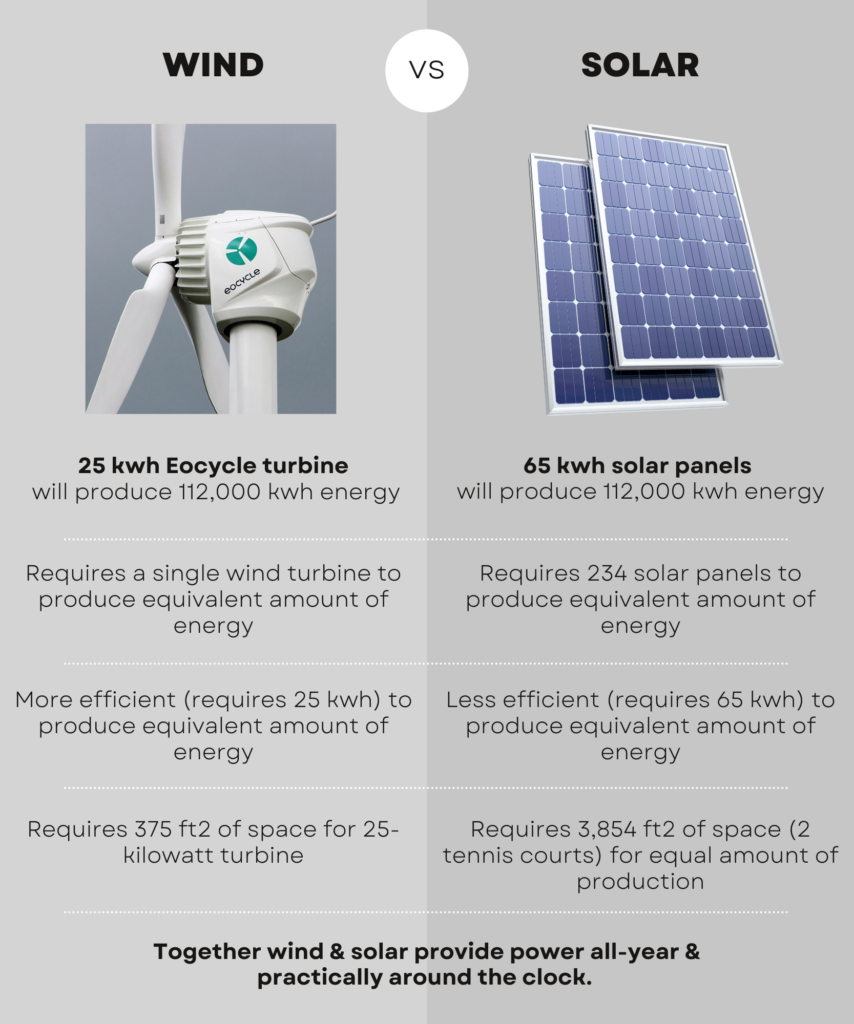
- Conversion Efficiency: How well the device converts the available resource (sunlight or wind) into electricity. Wind turbines can indeed convert a higher percentage of the wind’s kinetic energy (up to 50%) into electricity compared to solar panels’ module efficiency (17-23%).
- Capacity Factor: This is the more crucial metric for homeowners. It measures the actual output over a period compared to the maximum possible output if the system ran 24/7 at full power. Because solar only works during daylight, its capacity factor is inherently lower (typically 15-25% in the US). Wind turbines, if sited perfectly, can have higher capacity factors (25-40%), as they can run day and night.
However, the key for residential homes is *availability. Solar is widely available and consistently reliable in sunny areas. Truly ideal wind conditions for residential turbines are rare. So, while a wind turbine could* generate more in a perfect storm of wind, for the average residential site, solar panels often produce significantly more usable electricity over a year than a similarly sized small wind turbine, as demonstrated in various real-world tests (e.g., EnergySage’s 5x higher output from solar in one comparison).
| Metric | Solar Panels (Typical 8kW System) | Small Wind Turbine (Typical 5kW System) |
|---|---|---|
| Average Annual Output (Estimated, kWh/year) | ~9,000 – 12,000 kWh (Good sun exposure) | ~5,000 – 10,000 kWh (Ideal wind exposure, average 12-14 mph wind) |
| Peak Output Hours (Average Daily) | 4-6 hours (depends on season/location) | 10-16 hours (variable, based on wind) |
| Best for Consistent Base Load? | No (intermittent without storage) | Yes (if wind is consistent) |
Cost & Financial Viability: What’s the Real Price Tag?
As touched upon earlier, solar panels generally have a lower installed cost per Watt than residential wind turbines. The technology is more mature, supply chains are robust, and competition among installers is high. This translates to a better ROI and shorter payback period for most homeowners. While wind turbines can be incredibly effective in specific niche locations, the economics often don’t favor them over solar for a typical US home, especially in suburban or urban environments.
Space & Siting Requirements: Where Do They Fit?
This is a major differentiator. Solar panels are discreetly installed on your rooftop or a ground mount in your yard. They leverage existing space without demanding much new land. Wind turbines, conversely, require significant open land to be effective. They need to be mounted on a tall tower (often 30-100 feet or more for residential units) to catch uninterrupted wind, far from obstacles like trees, buildings, and property lines. This makes them unsuitable for most suburban or urban lots.
Environmental Impact & Sustainability
Both technologies are vastly superior to fossil fuels in terms of lifetime carbon emissions. However, let’s look closer:
- Solar: The primary environmental concerns are related to manufacturing (energy input, raw material extraction for silicon and other components) and end-of-life disposal. However, manufacturing processes are becoming greener, and panel recycling is an expanding industry. Operationally, they are inert and silent.
- Wind: Manufacturing also has an energy footprint. Operational concerns include potential bird and bat mortality (though less severe for small residential turbines), noise pollution at close range, and visual impact. The large concrete foundation for the tower also has a carbon footprint.
Overall, both offer significant environmental benefits compared to conventional power. The choice here often comes down to minimizing localized impact.
Maintenance & Lifespan: What’s the Long Haul Like?
- Solar: Inverters typically need replacement after 10-15 years, and panels may need occasional cleaning. Beyond that, modern solar panels are built to last 25-30 years or more with minimal degradation.
- Wind: Turbines have moving parts (blades, bearings, gearbox) that require more frequent inspection and maintenance. This can involve climbing the tower or lowering the turbine, which adds to operational costs. Lifespan for major components is typically 20-25 years, but can be shorter depending on wind exposure and maintenance.
Solar generally offers a ‘set it and forget it’ experience for much longer periods than residential wind, reducing the total cost of ownership over its lifetime.
Aesthetics & Noise: Living with Your Energy Source
This is a purely subjective but important factor for homeowners:
- Solar: Panels on a roof are a common sight and generally blend into the architectural landscape, especially with newer, sleek designs. They are completely silent.
- Wind: A tall tower with rotating blades is a prominent visual feature. The noise, while often a low hum, can be audible and bothersome at close distances, particularly during high winds. This can lead to neighborhood disputes or simply a less peaceful backyard environment.
Which One Is Right For You? Scenario-Based Decisions
Now that we’ve dissected each option, let’s talk about your specific situation. Here are some scenarios to help guide your choice:
Choose Solar If…
- You Live in a Suburban or Urban Area: With good roof space and minimal shading from tall buildings or trees.
- You Prioritize Lower Upfront Costs: Solar typically has a lower initial investment and faster ROI.
- You Value Quiet Operation & Discreet Aesthetics: Solar panels are silent and less visually obtrusive.
- You Have Predictable Sunlight: States across the Sun Belt and many other regions offer excellent solar resources.
- You Want Less Maintenance: Solar systems are largely maintenance-free for decades.
- You Want to Utilize Existing Roof Space: Solar panels use space you already own and maintain.
Consider Wind If…
- You Live in a Rural Area with Abundant, Consistent Wind: We’re talking average wind speeds of 10 mph (4.5 m/s) or higher, year-round, unobstructed by terrain or structures. Coastal regions, open plains, or mountaintops are ideal.
- You Have Ample Land for a Tall Tower: Enough space to meet local zoning requirements and avoid turbulent airflow.
- You Are Off-Grid or Seek Energy Resilience: Wind can provide power when the sun isn’t shining, making it a valuable complement to other sources for true energy independence.
- You Are Willing to Invest More Upfront: And accept a potentially longer payback period.
The Hybrid Advantage: Why Two Are Better Than One
For many homeowners seeking maximum energy independence and reliability, the real answer isn’t “solar OR wind,” but “solar AND wind.” A hybrid system combines the strengths of both:
- Complementary Production: Solar peaks during sunny days, while wind often blows stronger at night or during cloudy, stormy weather. This combination can smooth out your energy production curve significantly.
- Increased Reliability: You’re less dependent on a single weather condition. If one source isn’t producing, the other might be.
- Reduced Battery Storage Needs (Potentially): With more consistent generation, you might require slightly less battery capacity to cover gaps, though storage is still highly recommended for truly off-grid systems.
- Enhanced Energy Independence: A well-designed hybrid system can dramatically reduce or eliminate your reliance on the utility grid, offering peace of mind and protection against outages.
A hybrid system is often the most sophisticated and robust solution for homeowners committed to sustainable, self-sufficient living, especially in off-grid or remote settings. It requires careful planning and a higher initial investment, but the benefits in energy security can be invaluable.
The Future of Home Renewable Energy
The landscape of home renewable energy is constantly evolving. We’re seeing exciting innovations:
Innovations on the Horizon
- More Efficient & Aesthetically Pleasing Solar: Think transparent solar glass, flexible panels, and building-integrated photovoltaics (BIPV) that blend seamlessly into architecture.
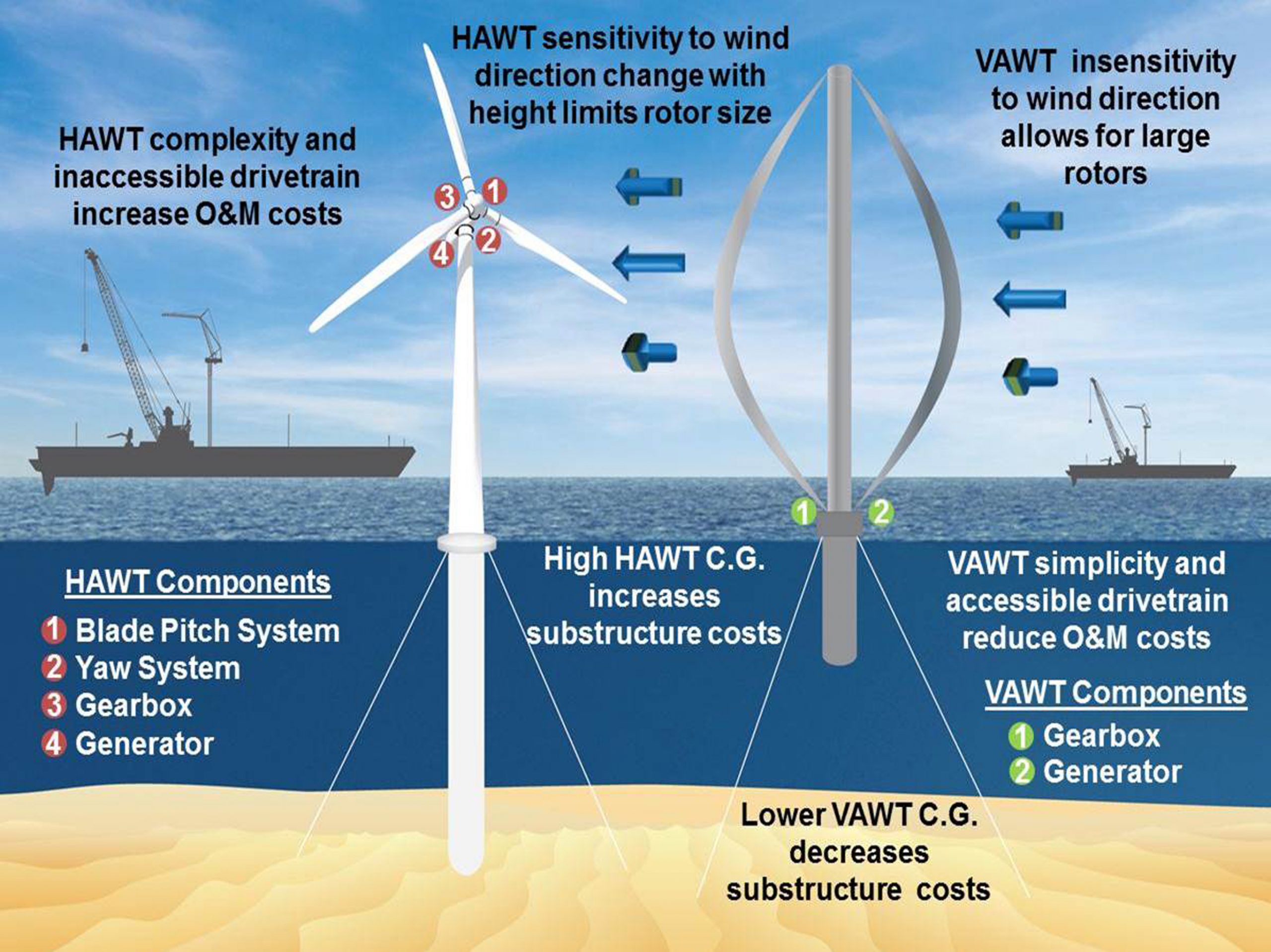
- Smaller, Quieter, & More Efficient Wind Turbines: Research continues into bladeless turbines, vertical-axis turbines, and designs optimized for lower wind speeds and urban environments.
- Advanced Battery Storage: Cheaper, safer, and more compact batteries are key to making both solar and wind even more reliable and grid-independent.
- Smart Home Energy Management: AI-powered systems that optimize when to generate, store, and consume energy will make these systems even more effective.
Policy & Incentives
Government support, through tax credits, grants, and net metering policies, continues to play a vital role in making renewable energy accessible. Staying informed about federal, state, and local programs is crucial as you plan your installation.
Conclusion: Making an Informed Choice for Your Home
Ultimately, the choice between wind turbines and solar panels for your home isn’t about one being universally “better.” It’s about finding the best fit for your unique circumstances. For the vast majority of homeowners, solar panels offer a proven, cost-effective, and low-maintenance path to clean energy. They are easier to install, quieter, and generally provide a better return on investment in typical residential settings.
However, if you live on a truly windy, spacious property, a wind turbine could be a powerful asset, especially when paired with solar. Take the time to assess your property’s resources, understand the costs and benefits, and consult with experienced renewable energy professionals. The future of your home’s energy could be cleaner, greener, and more independent than you ever imagined.
Frequently Asked Questions
Which is generally better for residential homes: wind turbines or solar panels?
For most residential properties in the US, solar panels are generally better due to lower upfront costs, easier installation, minimal maintenance, and wider applicability. Wind turbines require very specific, consistently windy locations and a larger land footprint, making them less suitable for typical suburban or urban homes.
Are wind turbines more efficient than solar panels?
Wind turbines can convert a higher percentage of their available resource (wind’s kinetic energy) into electricity (up to 50%) compared to solar panels’ module efficiency (17-23%). However, the crucial metric for homeowners is ‘capacity factor,’ which measures actual output over time. For the average residential site, solar panels often produce more usable annual electricity because truly ideal wind conditions for small turbines are rare.
What are the typical costs for residential solar panels vs. wind turbines?
A typical residential solar panel system (4-12 kW) costs $15,000 – $30,000 before incentives. A residential wind turbine system (1-10 kW) typically ranges from $30,000 – $70,000 before incentives. Solar generally offers a better return on investment and shorter payback period due to lower costs and easier installation.
Can I combine wind and solar power for my home?
Yes, combining wind and solar into a hybrid system is often the most robust solution for maximum energy independence. Solar peaks during sunny days, while wind often blows stronger at night or during cloudy weather, providing complementary energy production and increased reliability for your home.
What are the main drawbacks of installing a residential wind turbine?
Key drawbacks include high upfront costs, complex installation requiring a tall tower, strict siting requirements (consistent strong wind, ample land), potential noise pollution, visual impact, and challenging zoning/permitting processes in many residential areas.
How much maintenance do solar panels vs. wind turbines require?
Solar panels require very low maintenance, mainly occasional cleaning and inverter replacement every 10-15 years. Wind turbines, with their moving parts (blades, gearbox), require more frequent inspection and maintenance, which can add to operational costs over their lifespan.
Do wind turbines and solar panels work effectively in all US states?
Solar panels are viable in most US states with adequate sunlight, though efficiency varies. Wind turbines require consistently high average wind speeds (typically 10+ mph) and open, unobstructed land, which limits their practicality to specific rural or coastal regions within the US.

:max_bytes(150000):strip_icc()/__opt__aboutcom__coeus__resources__content_migration__treehugger__images__2013__10__wind-turbine-finished-d963c26c0e704c9fb43dac99262c073a.jpg)