Can Wind Turbines Power Your Home? A Realistic Guide to Residential Wind Electricity
Dreaming of energy independence? Imagining a future where your home runs on the invisible power of the wind, slashing those monthly utility bills? You’re not alone. The allure of generating your own clean electricity with a residential wind turbine is incredibly strong.
Table of Contents
- Can Wind Turbines Power Your Home? A Realistic Guide to Residential Wind Electricity
- The Promise and Reality: Is Home Wind Power Right for YOU?
- Beyond the Hype: What Small Wind Turbines Can Do
- Key Factors Determining Feasibility
- How Do Small Wind Turbines Generate Home Electricity?
- The Anatomy of a Home Wind System
- Grid-Tied vs. Off-Grid: Which System Fits Your Needs?
- Sizing Your System: How Much Power Do You Really Need?
- Calculating Your Home’s Electricity Demand
- Matching Turbine Size to Consumption: A Practical Chart
- Understanding Turbine Ratings (Watts, kW, kWh)
- Types of Home Wind Turbines: Horizontal vs. Vertical
- Horizontal Axis Wind Turbines (HAWTs): The Classic Choice
- Vertical Axis Wind Turbines (VAWTs): The Urban Alternative
- HAWT vs. VAWT: A Quick Comparison
- The Cost Factor: What to Expect When Going Wind-Powered
- Initial Investment: Turbines, Towers, Installation
- Beyond the Price Tag: Maintenance, Lifespan, and ROI
- Incentives and Rebates: Lowering Your Out-of-Pocket Costs
- Location, Location, Location: Assessing Your Wind Resource and Site
- Average Wind Speed: The Deciding Factor
- Zoning Laws and Permitting: Navigating the Red Tape
- Tower Height and Obstructions: Getting Above the Turbulence
- Wind vs. Solar: A Head-to-Head Comparison for Home Energy
- When Wind Shines (Literally!)
- When Solar Takes the Lead
- The Hybrid Advantage: Best of Both Worlds
- Wind vs. Solar: Key Differences
- Installation and Maintenance: What Happens After You Buy?
- Professional Installation: Why It’s Non-Negotiable
- Keeping Your Turbine Spinning: Essential Maintenance
- Is a Home Wind Turbine Worth It For You? Making the Final Decision.
- Recap of Key Considerations
- Next Steps for Aspiring Wind Homeowners
But let’s be real: while the concept is captivating, the practical application for home use often comes with more questions than easy answers. Is it truly feasible for *your* home? How much power can it really generate? What are the hidden costs and challenges?
This isn’t a sales pitch. This is your definitive, no-nonsense guide to understanding whether a small wind turbine can genuinely contribute to your home’s electricity needs. We’ll cut through the marketing fluff and give you the real story, from assessing your property to understanding the technology and the bottom line.
The Promise and Reality: Is Home Wind Power Right for YOU?
Before you get swept away by the idea, it’s crucial to anchor your expectations in reality. Residential wind power isn’t a one-size-fits-all solution, but for the right home in the right location, it can be a powerful asset.
Beyond the Hype: What Small Wind Turbines Can Do
Small wind turbines, typically ranging from 400 watts to 100 kilowatts (though most residential systems are under 15 kW), are designed to supplement or even fully power homes, farms, and small businesses. Unlike their massive utility-scale cousins, these are built for individual property owners. Here’s what they excel at:
- Off-Grid Independence: For remote cabins or properties far from the grid, wind turbines, often paired with solar, offer a robust solution for self-sufficiency.
- Grid-Tied Bill Reduction: Connected to the utility grid, a wind turbine can significantly offset your electricity consumption, potentially allowing you to sell excess power back to the utility (net metering).
- Winter Power: Unlike solar, which peaks in summer, wind resources often thrive in colder, windier months, providing excellent energy complementarity.
- Sustainable Living: Reducing your carbon footprint and contributing to clean energy is a major motivator for many homeowners.
They can be a game-changer, but only if the foundational conditions are met.
Key Factors Determining Feasibility
So, what are those foundational conditions? Think of them as the absolute prerequisites for even considering a home wind turbine:
- Consistent Wind Speed: This is the absolute paramount factor. If you don’t have enough wind, a turbine is just an expensive lawn ornament. You’ll typically need an average wind speed of at least 10-12 miles per hour (4.5-5.5 meters per second) for a small turbine to be economically viable.
- Sufficient Space: Wind turbines need clear, unobstructed space for their tower and blades, free from buildings, trees, or hills that can create turbulence. This usually means a good chunk of land, not just a small suburban yard.
- Adequate Budget: We’ll dive into costs later, but suffice it to say, this is a significant upfront investment. While incentives can help, it’s not a cheap endeavor.
- Local Regulations: Zoning laws, permitting requirements, and potential homeowner association (HOA) rules can make or break your project. Many areas have strict rules on tower height, setbacks, and noise.
If any of these factors are a hard ‘no’ for your property, a home wind turbine might not be in your cards. But if you’re ticking these boxes, let’s explore further.
How Do Small Wind Turbines Generate Home Electricity?
At its core, a wind turbine is a marvel of engineering that converts the kinetic energy of wind into usable electricity. Understanding the basic components and how they work together is key to appreciating your potential system.
The Anatomy of a Home Wind System
A residential wind electric system is more than just the spinning blades you see. It’s a collection of integrated components working in harmony:
- The Turbine: This is the visible part, comprising the blades (usually 2 or 3), a rotor (which the blades attach to), and a generator (often housed in a nacelle behind the blades). As wind pushes the blades, the rotor spins, turning the generator to produce DC (direct current) electricity.
- The Tower: Crucial for elevating the turbine into cleaner, faster, less turbulent wind. Towers can be freestanding (guy-wired or self-supporting) or monopole designs. The taller the tower, generally the better the wind resource.
- The Inverter: Since most home appliances and the utility grid operate on AC (alternating current), the DC electricity from the generator needs to be converted. The inverter handles this critical conversion.
- The Controller: This smart device regulates the system. It protects the batteries from overcharging (in off-grid systems), protects the turbine from over-speeding in very high winds, and manages power flow.
- Batteries (Optional, for Off-Grid or Storage): If you’re completely off the grid, or if you want backup power for a grid-tied system, a bank of deep-cycle batteries will store excess electricity generated by the turbine for use when the wind isn’t blowing.
- Grid Connection Equipment: For grid-tied systems, this includes meters (often two-way for net metering), disconnect switches, and circuit breakers that safely connect your system to the utility’s power lines.
Grid-Tied vs. Off-Grid: Which System Fits Your Needs?
Your choice between these two fundamental system types will dictate much about your setup and costs:
-
Grid-Tied Systems: The most common for residential use. Your wind turbine is connected to the local utility grid. When your turbine generates more electricity than your home consumes, the excess is sent back to the grid, often earning you credits through a process called net metering. When the wind isn’t blowing or your demand is high, you simply draw power from the grid. These systems typically do not require batteries unless you want backup power during grid outages, as the grid acts as your ‘battery.’
-
Off-Grid Systems: These are completely independent of the utility grid. All electricity generated by your turbine (and often, solar panels) is stored in a large battery bank for use as needed. Off-grid systems provide true energy independence but require careful sizing, a robust battery bank, and often a backup generator for prolonged periods of low wind/sun. They are generally more complex and expensive due to the battery storage requirements.
) Image Source: energysage.com
Image Source: energysage.com -
Hybrid Systems: The best of both worlds for many. Combining wind with solar panels creates a more resilient system, as wind typically performs well when solar output is lower (e.g., at night, in winter, or on cloudy days). These can be grid-tied with battery backup or completely off-grid, maximizing energy capture regardless of weather conditions.
Sizing Your System: How Much Power Do You Really Need?
This is where the rubber meets the road. “How big of a wind turbine do I need?” is one of the most common questions, and the answer directly depends on your electricity consumption.
Calculating Your Home’s Electricity Demand
The first step is to understand your current energy appetite. Grab your utility bills from the past 12 months. Look for the “kWh” (kilowatt-hour) usage. This is the standard unit for measuring electricity consumption. Average your monthly usage to get a clear picture. For example, the average U.S. home uses around 893 kWh per month.
Consider also:
- Energy Efficiency: Before investing in a turbine, insulate your home, upgrade to efficient appliances, and switch to LED lighting. Reducing demand means you can install a smaller, less expensive system.
- Future Plans: Are you planning to add an electric vehicle, hot tub, or switch to electric heating? Factor these into your future energy needs.
Matching Turbine Size to Consumption: A Practical Chart
Small wind turbines are rated by their peak power output in watts (W) or kilowatts (kW). However, this “rated power” is what the turbine can produce at an optimal wind speed (e.g., 25-30 mph). Its actual output over a year (measured in kWh) will vary greatly depending on your site’s average wind speed. The table below gives you a rough idea, assuming a good wind resource (12+ mph average).
| Typical Home Consumption (kWh/month) | Common Appliances Powered | Approx. Turbine Size (kW) | Est. Annual Output (kWh/year) |
|---|---|---|---|
| 50-150 kWh/month | Lights, phone charging, small fridge, fan | 0.4-1 kW (400W – 1000W) | 1,000-3,000 kWh/year |
| 500-800 kWh/month | Lights, fridge, TV, laundry, dishwasher, computer | 3-5 kW | 7,000-12,000 kWh/year |
| 1000-1500+ kWh/month | All standard appliances, central AC, electric heat, EV charging | 8-15+ kW | 15,000-25,000+ kWh/year |
Estimates assume an average wind speed of 12-15 mph (5.4-6.7 m/s) and optimal siting. Actual output will vary.
Understanding Turbine Ratings (Watts, kW, kWh)
- Watt (W) / Kilowatt (kW): These measure the instantaneous power output or capacity of a turbine. 1 kW = 1000 W. A ‘5 kW turbine’ means it can produce 5000 watts under ideal wind conditions.
- Kilowatt-hour (kWh): This measures energy consumption or production over time. It’s how your electricity bill is calculated (e.g., 1000 watts running for 1 hour equals 1 kWh). When sizing a system, you’re primarily trying to match the turbine’s annual kWh production to your home’s annual kWh consumption.
Types of Home Wind Turbines: Horizontal vs. Vertical
When you picture a wind turbine, you likely envision the classic propeller-style design. But there’s another, less common, type that might be better suited for certain residential scenarios. Let’s break down the two main categories.
Horizontal Axis Wind Turbines (HAWTs): The Classic Choice
These are what most people think of – the three-bladed, propeller-like turbines that sit atop tall towers. They are the most common and efficient design for capturing wind energy.
- How they work: The blades rotate on a horizontal axis, parallel to the ground. They need to ‘yaw’ (turn) into the wind to operate effectively, which is often done automatically by a tail vane or computer-controlled motors.
- Pros: Generally more efficient at converting wind into electricity, offering a higher output for their size. They are a proven technology with many years of development.
- Cons: Require a taller tower to reach optimal wind, which can be visually intrusive and subject to stricter zoning laws. They can be noisier than VAWTs, and their spinning blades can be a concern for birds or local wildlife (though for small turbines, this impact is often exaggerated).
Vertical Axis Wind Turbines (VAWTs): The Urban Alternative
VAWTs have blades that rotate around a vertical axis. They often look like egg beaters (Darrieus type) or scoops (Savonius type).
- How they work: Their design allows them to capture wind from any direction without needing to ‘yaw.’ The generator and gearbox can often be located at ground level, simplifying maintenance.
- Pros: Can operate in lower and more turbulent wind conditions, making them potentially suitable for more constrained urban or suburban environments. They are generally quieter, less visually dominant (often shorter), and easier to maintain due to ground-level components.
- Cons: Typically less efficient than HAWTs for the same rotor swept area, meaning they generate less power for their size. They can also be more expensive per watt of output. Their startup speed can sometimes be higher, despite their omnidirectional advantage.
HAWT vs. VAWT: A Quick Comparison
To help you decide which might be a better fit, here’s a side-by-side look:
| Feature | Horizontal Axis (HAWT) | Vertical Axis (VAWT) |
|---|---|---|
| Efficiency | Generally higher (30-50%) | Lower (10-30%) |
| Startup Wind Speed | Requires higher speeds (7-10 mph) | Can operate in lower speeds (4-7 mph) |
| Noise | Can be noticeable at higher speeds | Generally quieter, especially smaller models |
| Aesthetics | Tall, prominent tower, rotating blades | Often more compact, less visually intrusive |
| Space Requirement | Needs significant clear space for tower and blade rotation | Can be installed in more confined spaces |
| Maintenance | More complex due to moving parts at height, yaw mechanism | Simpler access, fewer complex moving parts (often ground-level) |
| Cost/Watt | Generally lower | Generally higher |
The Cost Factor: What to Expect When Going Wind-Powered
Let’s be upfront: a home wind turbine system is a significant investment. It’s not a cheap DIY project for most homeowners. Understanding the various cost components will help you budget realistically.
Initial Investment: Turbines, Towers, Installation
The total upfront cost for a typical residential wind system (say, 3-5 kW) can range anywhere from $15,000 to $50,000 or more. This includes:
- The Turbine Itself: This is the core component. A 1 kW turbine might cost $3,000-$5,000, while a 5 kW turbine could be $15,000-$25,000. Larger systems naturally scale up.
- The Tower: Often overlooked, the tower is critical and can be expensive. Depending on height and type (guyed vs. self-supporting), a tower can cost $2,000 to $10,000+.
- Balance of System (BOS) Components: This includes the inverter, controller, wiring, grounding equipment, and possibly a battery bank (for off-grid or backup). These can add several thousand to tens of thousands of dollars.
- Installation: Professional installation is essential due to the heavy equipment, electrical work, and safety considerations. Labor costs for digging the foundation, erecting the tower, and wiring the system can be substantial, often accounting for 20-30% of the total project cost.
- Permitting and Site Assessment: Don’t forget the fees associated with permits, engineering reviews, and a professional wind resource assessment.
Beyond the Price Tag: Maintenance, Lifespan, and ROI
The upfront cost is just part of the financial picture. Consider the long-term:
- Maintenance: Small wind turbines typically require annual inspections, lubrication, and sometimes blade cleaning. Expect to spend a few hundred dollars annually on maintenance, or more if major components need replacing.
- Lifespan: A well-maintained residential wind turbine can last 20-25 years or more. The inverter and batteries (if applicable) usually have shorter lifespans (5-15 years) and will need replacement.
- Return on Investment (ROI): The payback period for a home wind turbine varies wildly depending on your local wind resource, electricity rates, and available incentives. It can range from 5-20 years. In areas with low electricity rates and poor wind, the financial ROI might never materialize, making the decision more about energy independence or environmental impact.
Incentives and Rebates: Lowering Your Out-of-Pocket Costs
Fortunately, various programs can significantly reduce the net cost of your system:
:max_bytes(150000):strip_icc()/wind-turbine-generator-on-house-roof-90967703-b9619befbf954726ae92dfb6154711f2.jpg "Is a Home Wind Turbine Right for You?")
- Federal Investment Tax Credit (ITC): Currently, this offers a 30% tax credit for eligible small wind energy systems installed in the U.S. This is a dollar-for-dollar reduction in your income tax liability, not just a deduction.
- State and Local Programs: Many states, counties, and even utility companies offer their own rebates, grants, or property tax exemptions for renewable energy installations. Websites like DSIRE (Database of State Incentives for Renewables & Efficiency) are excellent resources for finding these.
- Net Metering: While not a direct upfront incentive, net metering policies allow you to sell excess electricity back to the grid, providing ongoing savings and revenue that improves your ROI.
Always research the incentives available in your specific area; they can make a substantial difference.
Location, Location, Location: Assessing Your Wind Resource and Site
We’ve stressed it before, but it bears repeating: wind is everything. Even the best turbine won’t perform if it’s not catching enough consistent breeze. This section is about understanding your land and your local wind profile.
Average Wind Speed: The Deciding Factor
You need to know your site’s average wind speed. This isn’t just a guess; it requires some investigation:
- Online Wind Maps: Resources like the National Renewable Energy Laboratory (NREL) and the Department of Energy’s WINDExchange offer state-by-state wind maps. These provide a good starting point, showing general wind classes.
- Local Airports/Weather Stations: While not perfect for your specific microclimate, nearby meteorological data can offer clues.
- Anemometer Study: For the most accurate assessment, a professional installer might recommend installing an anemometer (wind speed measuring device) on a temporary tower for 6-12 months. This captures precise data for your specific site.
- Professional Site Assessment: A qualified wind energy professional can analyze your topography, nearby obstructions, and historical data to provide an accurate estimate of your site’s wind resource and predicted energy output. This is a crucial step.
Remember, a small increase in wind speed means a significant increase in power. The power in the wind increases with the cube of the wind speed. So, if the wind speed doubles, the power output increases by a factor of eight!
Zoning Laws and Permitting: Navigating the Red Tape
This is often the biggest hurdle for homeowners. Wind turbines, especially HAWTs, are visible structures, and local governments have legitimate concerns about:
- Height Restrictions: Many residential zones have limits on how tall structures can be.
- Setbacks: Rules dictating how far the turbine must be from property lines, roads, and other buildings.
- Noise: While small turbines are generally quieter than larger ones, noise can still be a concern for neighbors.
- Visual Impact: The aesthetics of a spinning turbine can be a point of contention.
- Safety: Structural integrity, ice throw (in cold climates), and blade failure are considered.
Before you commit to anything, contact your local planning department or zoning office. Ask about specific ordinances for small wind energy systems. They can guide you on application processes, required studies (like noise assessments), and any variances you might need.
Tower Height and Obstructions: Getting Above the Turbulence
Even if you have good average wind, obstructions like trees, buildings, or hills can create turbulence, which reduces a turbine’s efficiency and lifespan. The rule of thumb is to mount the turbine at least 30 feet (9 meters) higher than any obstruction within a 300-foot (90-meter) radius. A taller tower costs more, but it’s often the best investment for maximizing energy production and ensuring a good return.
Wind vs. Solar: A Head-to-Head Comparison for Home Energy
It’s the age-old debate in residential renewable energy: wind or solar? Both harness natural forces, but they have distinct characteristics. Often, the best solution is a blend of both.
When Wind Shines (Literally!)
Wind turbines have distinct advantages:
- Night and Winter Power: Wind often blows consistently at night and can be stronger in colder months, when solar output is at its lowest. This makes wind an excellent complement to solar, providing power when the sun isn’t shining.
- High Energy Density: A single wind turbine can potentially generate more power than a comparable footprint of solar panels if wind resources are excellent.
- Smaller Footprint (Relatively): While the tower is tall, the ground footprint of a single tower can be smaller than the space needed for a large solar array if you have ample open land.
When Solar Takes the Lead
Solar energy is generally more popular for residential applications for several reasons:
- Predictable Output: While weather dependent, solar output is generally more predictable than wind; you know the sun will rise each day.
- Easier Permitting: Rooftop solar arrays usually face fewer zoning restrictions and less neighborhood resistance than tall wind turbine towers.
- Lower Noise and Visual Impact: Solar panels are silent and can often be integrated discreetly into a roofline.
- Lower Cost: Solar has experienced dramatic cost reductions, making it more accessible and often a faster ROI than wind for most homeowners.
The Hybrid Advantage: Best of Both Worlds
For true energy resilience and maximum output, combining wind and solar is often the optimal strategy. They complement each other beautifully: when it’s cloudy or dark, wind can generate power, and when the wind is calm, the sun can shine. This reduces reliance on a single weather-dependent resource and can lead to a more stable and robust energy supply, especially for off-grid homes.
Wind vs. Solar: Key Differences
Here’s a quick comparison to help clarify the choice:
| Feature | Small Wind Turbine | Rooftop Solar Panels |
|---|---|---|
| Energy Source | Wind | Sunlight |
| Output Consistency | Intermittent (depends on wind), often better at night/winter | Intermittent (depends on sun), best midday/summer |
| Space Requirement | Needs significant land area, tall tower | Primarily rooftop space, can use ground mount |
| Installation Complexity | High (tower foundation, heavy lifting, electrical) | Moderate (roof attachment, electrical) |
| Cost (Per kW) | Generally higher ($3,000-$8,000+) | Generally lower ($2,500-$5,000+) |
| Permitting | More complex (height, noise, visual impact) | Less complex (standard building codes) |
| Maintenance | Requires periodic inspection, lubrication, potential blade cleaning | Minimal (occasional cleaning) |
| Noise | Can be a factor, especially for HAWTs | Silent |
| Aesthetics | Significant visual presence | Integrated into roofline or ground mount |
Installation and Maintenance: What Happens After You Buy?
Once you’ve navigated the planning, permitting, and purchasing, the next critical phases are installation and ongoing care. These are not areas to cut corners.
Professional Installation: Why It’s Non-Negotiable
Installing a home wind turbine is a complex process that involves heavy equipment, electrical wiring, and working at significant heights. This is absolutely not a DIY job. Here’s why you need certified professionals:
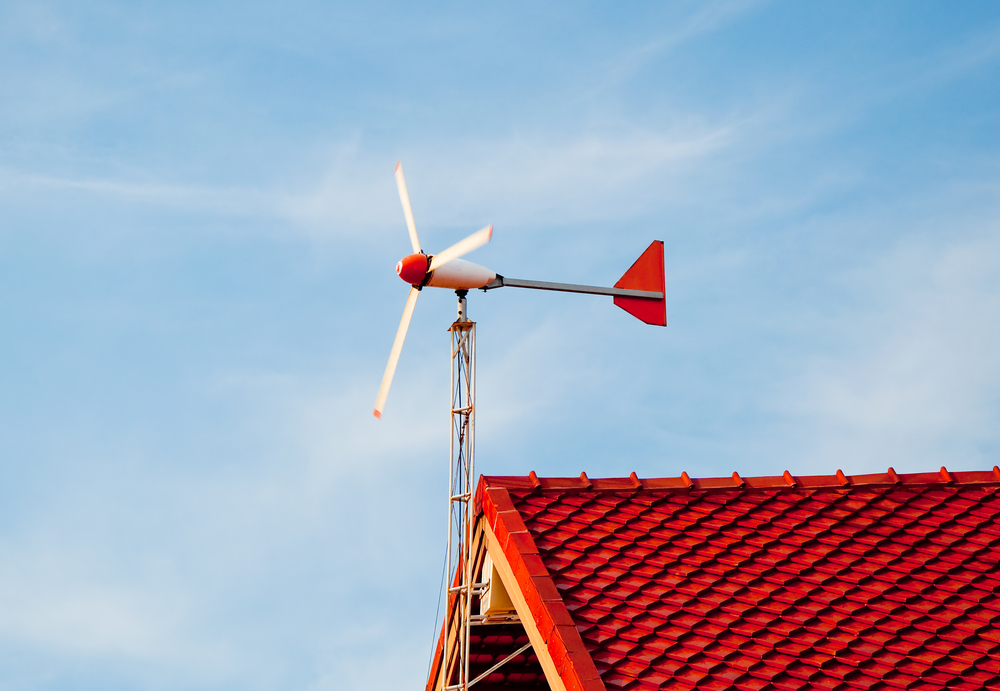
- Safety: Erecting a heavy tower and turbine head is dangerous work, requiring specialized equipment and training.
- Performance: Proper foundation, tower installation, and electrical hookup are essential for the turbine to perform efficiently and safely for its entire lifespan.
- Code Compliance: Electricians and installers ensure all wiring and connections meet local and national electrical codes, preventing fire hazards and ensuring grid compatibility.
- Warranty: Many turbine manufacturers and incentive programs require professional installation to maintain warranties and eligibility.
- Foundation: The tower requires a robust concrete foundation, engineered to withstand immense wind forces. This isn’t just a matter of digging a hole.
Look for installers with experience in small wind energy systems, good references, and appropriate licenses and insurance.
Keeping Your Turbine Spinning: Essential Maintenance
Like any mechanical system, a wind turbine requires periodic maintenance to ensure optimal performance and longevity. While they’re generally robust, neglect can lead to costly repairs or reduced output.
- Annual Inspections: A professional should inspect the blades for damage, check for loose bolts, inspect the tower’s integrity, and test the electrical connections.
- Lubrication: Moving parts in the nacelle (yaw mechanism, gearbox if present) require lubrication.
- Blade Cleaning: In some environments, dirt, dust, or even insect buildup can reduce blade aerodynamic efficiency.
- Battery Maintenance (for off-grid systems): Deep-cycle batteries require regular checks, water topping (for flooded lead-acid), and monitoring of charge levels.
- Vegetation Management: Keep trees and other growth clear of the turbine’s swept area and tower.
Establish a maintenance schedule with your installer or a specialized technician to protect your investment.
Is a Home Wind Turbine Worth It For You? Making the Final Decision.
So, after all this, are wind turbines for home use electricity a viable option for you? The answer, as you’ve seen, is rarely a simple ‘yes’ or ‘no.’ It’s a nuanced calculation based on your unique circumstances.
Recap of Key Considerations
Let’s quickly consolidate the critical factors that will drive your decision:
- Wind Resource: Do you have an average annual wind speed of at least 10-12 mph at the turbine’s proposed height? This is non-negotiable.
- Site Suitability: Is there enough clear, unobstructed space for a tower and blades, with adequate setbacks from property lines and structures?
- Budget and ROI: Can you afford the significant upfront investment, and do the long-term savings and incentives justify the cost within a reasonable payback period for your financial goals?
- Local Regulations: Are local zoning laws and permitting requirements manageable for a wind turbine of your desired size and height?
- Energy Needs: Is your electricity consumption high enough to warrant the investment, or are you looking for supplementary power or energy independence?
- Patience: This isn’t a quick project. Permitting, installation, and achieving ROI can take time.
Next Steps for Aspiring Wind Homeowners
If you’re still reading, and many of these factors seem to align with your situation, then a home wind turbine could indeed be a powerful asset for your property. Here’s how to proceed:
- Conduct a Professional Site Assessment: This is your absolute first concrete step. Have a qualified wind energy expert evaluate your property for wind resource, suitable locations, and potential obstructions.
- Contact Local Authorities: Discuss your plans with your local planning or zoning department early in the process to understand all requirements.
- Get Multiple Quotes: Solicit detailed proposals from several reputable small wind turbine installers. Compare system designs, costs, warranties, and estimated energy production.
- Explore Incentives: Work with your installer to identify and apply for all available federal, state, and local rebates or tax credits.
- Consider Hybrid: Don’t rule out combining wind with solar for a more robust and consistent renewable energy system.
Harnessing the wind for your home’s electricity is an ambitious but rewarding endeavor. With careful planning, realistic expectations, and the right resources, you can indeed take a significant step towards a more sustainable and independent energy future.
Frequently Asked Questions
How much wind speed do I really need for a home wind turbine?
For a small home wind turbine to be economically viable and produce sufficient electricity, you generally need an average annual wind speed of at least 10-12 miles per hour (4.5-5.5 meters per second) at the height where the turbine will be installed. Less than this, and the energy production might not justify the investment.
Can a home wind turbine power my entire house?
Yes, it is possible for a properly sized home wind turbine (or a hybrid wind-solar system) to power an entire house, especially if your home is energy-efficient and you have an excellent wind resource. However, it requires careful planning, a significant investment, and often involves battery storage for off-grid scenarios or net metering for grid-tied systems to handle periods of low wind.
Are home wind turbines noisy?
Modern small wind turbines are designed to be much quieter than their larger counterparts. Horizontal Axis Wind Turbines (HAWTs) can produce some noise, particularly at higher wind speeds, often described as a ‘whooshing’ sound. Vertical Axis Wind Turbines (VAWTs) are generally quieter. Noise levels are a common concern in permitting, and proper siting (distance from homes) is crucial to minimize impact.
How long do residential wind turbines last?
A high-quality, well-maintained residential wind turbine system can last 20 to 25 years or even longer. Key components like the inverter and batteries (if part of the system) typically have shorter lifespans, ranging from 5 to 15 years, and will require replacement during the turbine’s operational life.
What’s the typical cost range for a home wind turbine system?
The initial investment for a residential wind turbine system (e.g., 3-5 kW) can range significantly, typically from $15,000 to $50,000 or more, depending on the turbine size, tower height, additional components (like batteries), and installation complexity. This cost can often be offset by federal, state, and local incentives and tax credits.
Do I need batteries with a home wind turbine?
You only strictly need batteries if your home wind turbine system is entirely off-grid, where batteries store excess energy for use when the wind isn’t blowing. For grid-tied systems, the utility grid often acts as a ‘virtual battery’ through net metering, sending excess power to the grid and drawing from it when needed. However, batteries can be added to grid-tied systems for backup power during outages.
Are there permits required for home wind turbines?
Yes, permits are almost always required for installing a home wind turbine. These typically involve local zoning permits, building permits, and electrical permits. Regulations vary widely by municipality and state, often covering tower height, setbacks from property lines, noise levels, and aesthetic impact. It’s crucial to consult your local planning department early in the process.