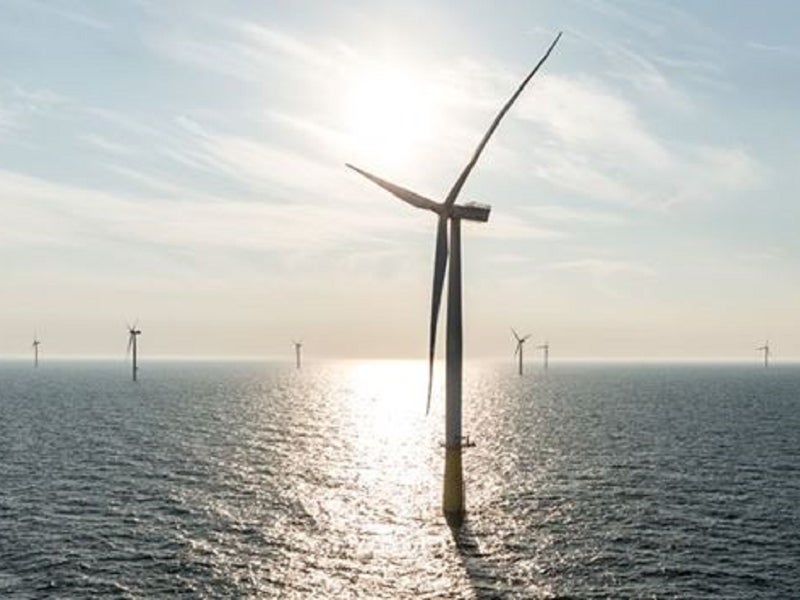
Unlock Energy Independence: Your Complete Guide to Home Wind Turbine Kits
Feeling the pinch of rising electricity bills? Dreaming of a greener footprint and the peace of mind that comes with energy independence? You’re not alone. While solar panels often steal the spotlight, home wind turbine kits offer a powerful, often overlooked solution, especially in locations with consistent breezes. But let’s be real: diving into home wind power can feel like a daunting task. What’s a “complete kit” really mean? Is it truly DIY-friendly? And will it actually power your home?
Table of Contents
- Unlock Energy Independence: Your Complete Guide to Home Wind Turbine Kits
- What Exactly IS a “Complete” Home Wind Turbine Kit? (And What It Isn’t)
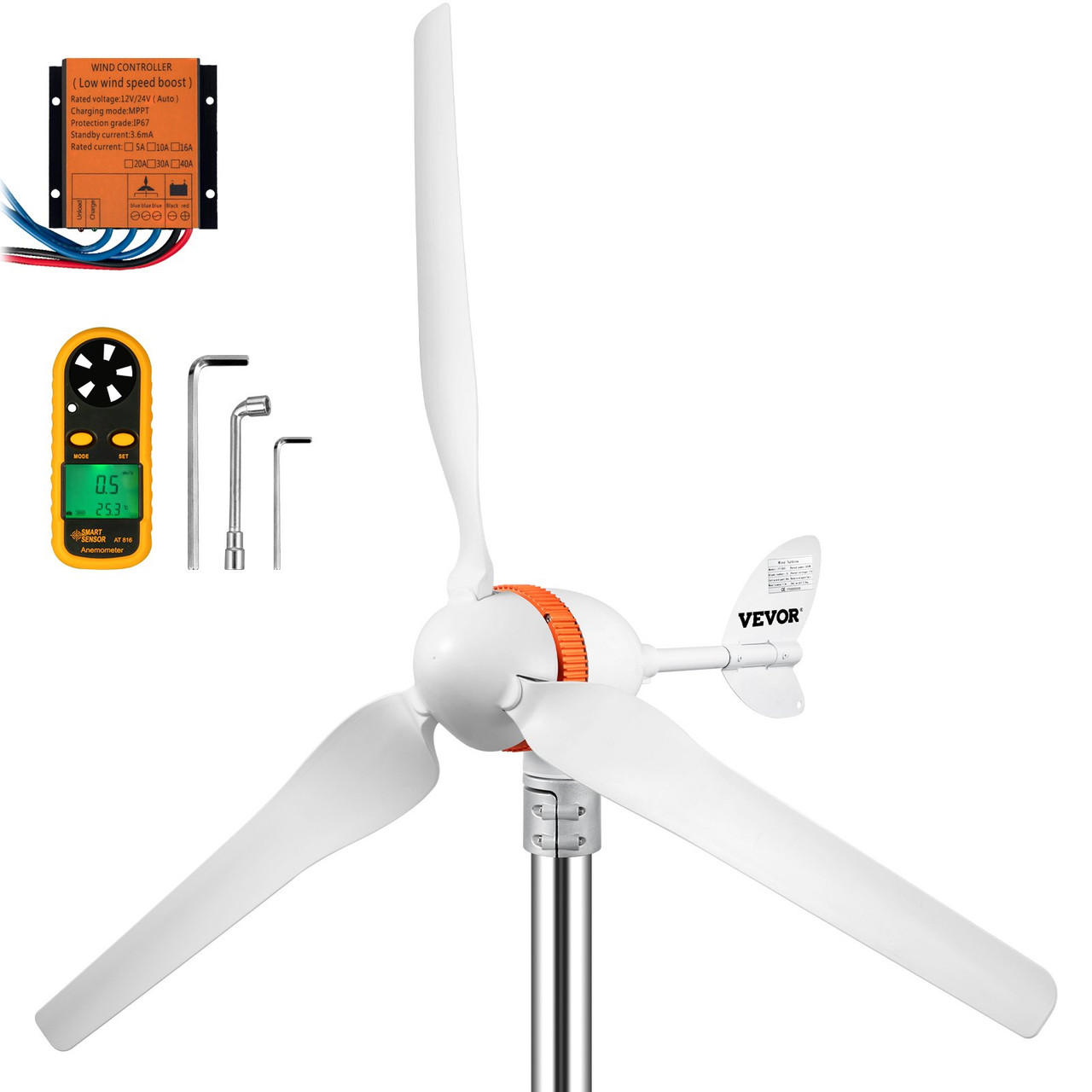
- The Core Components You Should Expect
- The “Hidden” Costs and Missing Pieces (What Kits Often Don’t Include)
- Why Consider a Home Wind Turbine Kit? The Benefits Beyond the Bill
- Energy Independence & Savings
- Environmental Impact
- Resilience & Backup Power
- Accessibility
- Navigating the Wind: Key Factors Before You Buy
- Your Wind Resource Assessment: Is Your Home Windy Enough?
- Energy Needs Calculation: How Much Power Do You Really Need?
- Local Regulations & Permitting: Don’t Get Blown Away by Red Tape
- Grid-Tie vs. Off-Grid: Which System is Right for You?
- Site Selection & Tower Height: Maximizing Your Turbine’s Potential
- Types of Home Wind Turbines & Complete Kits: Choosing Your Powerhouse
- Horizontal Axis Wind Turbines (HAWTs): The Classic Propeller Look
- Vertical Axis Wind Turbines (VAWTs): The Quieter, Space-Saving Option
- What to Look For in a Quality Home Wind Turbine Kit
- Power Output & Efficiency
- Durability & Materials
- Noise Levels
- Inverter & Charge Controller Quality
- Ease of Installation (DIY vs. Professional)
- Warranty & Support
- Understanding the Costs: Investment, Savings, and ROI
- Upfront Kit Costs
- Installation Expenses
- Maintenance & Lifetime Costs
- Incentives & Rebates
- Calculating Your Return on Investment (ROI)
- Installation & Maintenance: Keeping Your Blades Spinning
- The DIY Reality: When to Call a Pro
- Essential Maintenance Tips
- Troubleshooting Common Issues
- The Future of Home Wind Power: What’s Next?
- Emerging Technologies
- Hybrid Systems (Wind + Solar)
Forget the vague product listings and forums full of half-answers. This guide cuts through the noise to give you the definitive, no-nonsense roadmap to understanding, choosing, and even installing a wind turbine kit for your home. We’re going to arm you with the knowledge to make smart decisions, avoid common pitfalls, and confidently harness the wind’s power.
What Exactly IS a “Complete” Home Wind Turbine Kit? (And What It Isn’t)
The term “complete kit” can be a bit misleading. It often implies everything you need from start to finish. In reality, it usually means the core components of the electrical generation system. Understanding what’s typically included—and, more importantly, what’s usually left out—is your first step to a smooth setup.
The Core Components You Should Expect
A genuinely robust home wind turbine kit usually includes:
- The Wind Turbine Head: This is the visible part with blades and the generator. It converts wind energy into electricity.
- Charge Controller: An essential safety and efficiency component. It regulates the voltage and current coming from the turbine to prevent overcharging batteries and protect the system.
- Inverter: If you’re connecting to your home’s AC electrical system or the grid, an inverter is crucial. It converts the DC power generated by the turbine into usable AC power.
- Tower or Mounting System: While some smaller kits might be designed for pole mounting, many kits include sections for a freestanding or guyed tower, or components for roof/building mounting.
- Cabling: Appropriate wiring to connect the turbine to the charge controller, batteries (if off-grid), and inverter.
- User Manual & Assembly Instructions: A good kit will come with clear, detailed instructions.
The “Hidden” Costs and Missing Pieces (What Kits Often Don’t Include)
Here’s where many homeowners get surprised. “Complete” rarely means ready-to-run out of the box. Expect these to be separate considerations:
- Permitting & Site Surveys: Local zoning laws, building codes, and wind resource assessments are almost always your responsibility and can incur costs.
- Foundation Materials: For ground-mounted towers, you’ll need concrete, rebar, and potentially excavation services.
- Batteries (for Off-Grid Systems): While some specialized off-grid kits might include a small battery bank, robust, long-lasting batteries are almost always sold separately and represent a significant investment.
- Grid-Tie Interconnection Hardware: Specific utility-approved switches, meters, and additional wiring for connecting to your local power grid.
- Specialized Tools & Equipment: Cranes or lifting equipment for larger towers, trenching tools, specialized electrical tools.
- Professional Installation: Unless you’re an experienced electrician and construction worker, you’ll likely need professional help for at least parts of the installation.
Why Consider a Home Wind Turbine Kit? The Benefits Beyond the Bill
So, why go through the effort? The advantages of integrating wind power into your home energy strategy are compelling.
Energy Independence & Savings
Imagine generating your own electricity. A home wind turbine can significantly reduce, or even eliminate, your monthly electricity bill. This isn’t just about saving money today; it’s about hedging against future utility rate hikes and gaining control over one of your biggest household expenses.
Environmental Impact
Wind power is a clean, renewable energy source. By choosing a home wind turbine, you’re directly reducing your reliance on fossil fuels, cutting your carbon footprint, and contributing to a healthier planet. It’s a tangible way to make a difference.
Resilience & Backup Power
For off-grid homes, a wind turbine is a lifeline. Even for grid-tied homes, a battery-backed wind system can provide critical power during outages, ensuring your essential appliances stay on when the neighborhood goes dark. Wind often blows when the sun isn’t shining, making it an excellent complement to solar.
Accessibility
While not a simple plug-and-play, modern complete kits have streamlined the process significantly compared to custom-built systems. They package compatible components, making it more accessible for homeowners and DIY enthusiasts who are willing to learn and put in the work (or hire the right professionals).
Navigating the Wind: Key Factors Before You Buy
Before you get excited about spinning blades, you need to do your homework. These are the critical questions to answer to ensure a wind turbine is a smart investment for your property.
Your Wind Resource Assessment: Is Your Home Windy Enough?
This is perhaps the single most important factor. A wind turbine needs consistent, strong wind to be effective. Don’t guess! You need to know your average wind speed. Tools like local airport data, online wind maps, or even a temporary anemometer can help. Look for an average annual wind speed of at least 10 mph (4.5 m/s) for a residential turbine to be truly viable.

Local topography plays a huge role. Hills, valleys, and nearby buildings can create turbulence, which is bad for turbines, or block wind altogether.
Energy Needs Calculation: How Much Power Do You Really Need?
Take a look at your electricity bills. You’ll see your monthly kilowatt-hour (kWh) consumption. This is your target. Wind turbines are rated in watts (W) or kilowatts (kW) of instantaneous power. You need to match the turbine’s potential kWh output over a month to your home’s needs, considering your local average wind speed. Over-sizing wastes money; under-sizing leaves you still dependent on the grid.
Local Regulations & Permitting: Don’t Get Blown Away by Red Tape
This cannot be stressed enough. Wind turbines often face significant local regulations. Check with your city, county, and homeowner’s association (HOA) for:
- Zoning Laws: Some areas restrict turbine height or placement.
- Building Codes: Structural requirements for towers and foundations.
- Noise Ordinances: Turbines, especially larger ones, can generate noise.
- Setback Requirements: Minimum distances from property lines, homes, and roads.
Starting this process early can save you major headaches and potential fines.
Grid-Tie vs. Off-Grid: Which System is Right for You?
Your goal for the wind turbine dictates the type of system you need:
| Feature | Grid-Tie System | Off-Grid System |
|---|---|---|
| Primary Goal | Reduce/eliminate electricity bill, sell excess power to utility. | Complete energy independence, primary power source. |
| Connection | Connected to the public utility grid. | Not connected to the public utility grid. |
| Components | Turbine, charge controller, grid-tie inverter, utility meter. (Optional: batteries for backup). | Turbine, charge controller, inverter, battery bank. (Optional: backup generator). |
| Benefits | Net metering, lower upfront cost (often), reliable backup from grid. | Total self-sufficiency, no utility bills ever. |
| Drawbacks | Still dependent on grid stability, requires utility approval. | Higher upfront cost (batteries), requires careful sizing, potential for power shortages. |
| Ideal For | Urban/suburban homes with utility access. | Remote cabins, farms, areas without grid access, or those seeking ultimate independence. |
Site Selection & Tower Height: Maximizing Your Turbine’s Potential
Where you place your turbine and how high it stands are critical. The general rule: the higher the better. Wind speeds increase with height and decrease with proximity to obstructions (trees, buildings). Aim for a tower height that puts the bottom of the turbine blades at least 20-30 feet above any obstructions within a 300-foot radius.
Consider safety, accessibility for maintenance, and noise impact on neighbors when choosing your exact spot.
Types of Home Wind Turbines & Complete Kits: Choosing Your Powerhouse
Home wind turbines generally come in two main configurations:
Horizontal Axis Wind Turbines (HAWTs): The Classic Propeller Look
These are what most people visualize when they think of a wind turbine. They have blades that rotate around a horizontal axis, similar to an airplane propeller. HAWTs are generally more efficient at converting wind into electricity and are the dominant design for large-scale wind farms.
- Pros: Higher efficiency, well-established technology, robust power output in consistent wind.
- Cons: Can be noisier, requires a yaw mechanism to turn into the wind, less aesthetically pleasing to some, can be more susceptible to turbulence.
- Ideal Uses: Open, unobstructed locations with consistent, unidirectional wind patterns.
Vertical Axis Wind Turbines (VAWTs): The Quieter, Space-Saving Option
VAWTs have blades that rotate around a vertical axis. They often look like eggbeaters or spinning drums. They don’t need to be oriented into the wind, making them suitable for more turbulent environments.
- Pros: Operate effectively in turbulent and multidirectional wind, quieter operation, typically more aesthetically discreet, often easier to install (no yaw mechanism).
- Cons: Generally less efficient than HAWTs, higher cut-in speeds (need stronger wind to start), typically lower power output for their size.
- Ideal Uses: Urban environments, rooftops, areas with variable wind directions, where noise is a concern.
| Feature | Horizontal Axis Wind Turbines (HAWTs) | Vertical Axis Wind Turbines (VAWTs) |
|---|---|---|
| Appearance | Classic ‘propeller’ shape, often tall and slender. | ‘Eggbeater’ (Darrieus) or ‘scoop’ (Savonius) designs, more compact. |
| Efficiency | Generally higher, more efficient at converting wind energy. | Generally lower, less efficient per swept area. |
| Wind Direction | Must be oriented into the wind (requires yaw system). | Omnidirectional; operates regardless of wind direction. |
| Noise Level | Can be louder, especially at higher speeds, due to blade tip speed. | Generally quieter, lower tip speeds reduce aerodynamic noise. |
| Maintenance | Components often at the top of the tower, potentially harder access. | Generator and gearbox often at the base, easier maintenance access. |
| Ideal Environment | Open areas with consistent, laminar (smooth) wind flow. | Turbulent, urban environments, rooftops, or areas with variable wind. |
What to Look For in a Quality Home Wind Turbine Kit
Once you’ve done your due diligence on your site, it’s time to assess the actual kits. Not all kits are created equal.
Power Output & Efficiency
Compare the rated wattage (e.g., 1000W, 2000W) – but don’t stop there. Look at the cut-in speed (the minimum wind speed required to start generating power) and the survival speed (the maximum wind speed the turbine can withstand without damage). A lower cut-in speed means more operating hours; a higher survival speed means greater durability.
Durability & Materials
Your turbine will endure harsh weather. Look for robust construction: corrosion-resistant coatings, durable composite blades (fiberglass, carbon fiber), and sealed bearings. Manufacturers should specify the materials used.
Noise Levels
If you have close neighbors, noise is a serious consideration. Reputable manufacturers will provide decibel (dB) ratings at various wind speeds. VAWTs generally produce less noise than HAWTs. Aim for a turbine that operates below 50-55 dB at typical operating speeds for residential areas, or even lower if possible.
Inverter & Charge Controller Quality
These components are the brains of your system. A high-quality charge controller protects your batteries and turbine from damage due to overcharging or over-voltage. A good inverter ensures stable, clean AC power for your home appliances. Look for reputable brands and certifications.
Ease of Installation (DIY vs. Professional)
Some smaller, simpler kits are truly designed for capable DIYers. Larger systems, especially those requiring tall towers and complex wiring, are best left to professionals. Be realistic about your skills and comfort level. A good kit will have clear, well-illustrated instructions, even if you plan to hire help.
Warranty & Support
A strong warranty (e.g., 2-5 years on major components) and accessible customer support are indicators of a manufacturer’s confidence in their product. What happens if a part breaks? Can you easily get replacements? This is crucial for long-term satisfaction.
Understanding the Costs: Investment, Savings, and ROI
Let’s talk dollars and cents. A home wind turbine kit is an investment, but one with significant potential returns.
Upfront Kit Costs
The kits themselves vary widely based on power output and quality:
- Small (400W-1000W): Often <$1,000 – $3,000 (ideal for supplemental power, RVs, cabins).
- Medium (1kW-5kW): Typically $3,000 – $15,000 (can significantly offset or power a modest home).
- Large (5kW-10kW+): Expect $15,000 – $30,000+ (for substantial residential power, farms, or light commercial use).
Remember, these are just for the core kit components. Towers can add another $1,000 – $5,000.
Installation Expenses
This is where costs can quickly escalate if you don’t DIY. Professional installation for a medium-sized system can range from $5,000 to $15,000+, depending on complexity, foundation work, electrical connections, and local labor rates. Permitting fees are usually in the hundreds of dollars.
Maintenance & Lifetime Costs
Wind turbines are machines with moving parts. Expect:
- Routine Inspections: Annual visual checks, bolt tightening.
- Bearing Lubrication: Every few years.
- Battery Replacement: For off-grid systems, batteries typically last 5-15 years and represent a significant recurring cost.
- Component Replacement: Blades, charge controllers, or inverters might need replacing over the turbine’s 20-25 year lifespan.
Incentives & Rebates
Don’t overlook financial assistance! The U.S. federal government offers a 30% Residential Clean Energy Credit (formerly the Investment Tax Credit) for qualified wind energy property placed in service through 2032. Many states and local utilities also offer incentives, rebates, or grants. Research these thoroughly, as they can significantly reduce your net cost.
Calculating Your Return on Investment (ROI)
ROI is tricky to pinpoint exactly, as it depends on your specific wind resource, electricity rates, system cost, and incentives. However, by offsetting high electricity bills, a well-sited and sized wind turbine can have a payback period of 5-15 years. After that, your electricity is essentially free (minus maintenance).
Installation & Maintenance: Keeping Your Blades Spinning
The actual setup and ongoing care are critical for your system’s longevity and performance.
The DIY Reality: When to Call a Pro
For smaller, lighter turbines with simpler mounting, a handy homeowner can often manage the installation, especially with help from friends. However, for anything involving significant tower height, pouring concrete foundations, or complex grid-tie electrical work, professional help is highly recommended. Electricity is dangerous, and improper installation can void warranties, be inefficient, or worse, pose safety risks.

Even if you DIY most of it, consider hiring an electrician for the final connections to your home’s electrical panel or the grid.
Essential Maintenance Tips
- Annual Visual Inspection: Check for loose bolts, frayed wires, blade damage, and corrosion.
- Listen for Unusual Noises: Grinding, squeaking, or rattling could indicate an issue with bearings or the generator.
- Clean Blades: Periodically clean dirt, grime, or ice buildup to maintain aerodynamic efficiency.
- Check Battery Bank (Off-Grid): Monitor water levels (for flooded lead-acid batteries), terminal corrosion, and overall health.
- Monitor Performance: Keep an eye on your system’s output. A sudden drop might signal a problem.
Troubleshooting Common Issues
Most common problems are related to low wind, poor connections, or battery issues (for off-grid). Consult your kit’s manual for specific troubleshooting steps. Don’t attempt complex electrical repairs unless you are qualified.
The Future of Home Wind Power: What’s Next?
The technology for small wind turbines continues to evolve, making them more efficient, quieter, and aesthetically pleasing.
Emerging Technologies
Researchers are developing more aerodynamic blade designs, magnetic levitation systems (reducing friction and noise), and advanced control systems that optimize output in varying wind conditions. We’re also seeing more focus on integrating turbines more seamlessly into residential architecture.
Hybrid Systems (Wind + Solar)
Perhaps the most exciting development is the increasing popularity of hybrid wind and solar systems. Wind typically peaks when solar is low (e.g., at night, cloudy days, winter), and vice-versa. Combining both provides a more consistent, reliable power supply, significantly boosting energy independence and resilience.
Embarking on the journey of home wind power is a commitment, but with the right knowledge and a suitable site, a complete wind turbine kit can transform your home into a beacon of energy independence. It’s about more than just saving money; it’s about harnessing a powerful natural resource, reducing your environmental footprint, and gaining true peace of mind. By understanding the components, assessing your needs, navigating regulations, and choosing wisely, you can confidently turn the wind into your home’s personal power source.
Frequently Asked Questions
What is included in a ‘complete’ home wind turbine kit?
A ‘complete’ kit typically includes the wind turbine head (blades and generator), a charge controller, an inverter (for AC power), cabling, and often a tower or mounting system. However, it usually does not include batteries (for off-grid), foundation materials, specialized installation tools, or cover permitting fees.
How do I know if my home is suitable for a wind turbine?
The most crucial factor is your average annual wind speed; ideally, you need at least 10 mph (4.5 m/s) for effective power generation. You also need an unobstructed site, far from trees and buildings, and sufficient space to meet local zoning and setback requirements for tower height and placement.
What’s the difference between Horizontal Axis (HAWT) and Vertical Axis (VAWT) wind turbines?
HAWTs (like traditional windmills) are generally more efficient and powerful in consistent wind but can be noisier and require facing the wind. VAWTs (eggbeater-style) are quieter, operate in turbulent and multidirectional wind, and are often more aesthetically discreet, but are typically less efficient per swept area.
Can I install a home wind turbine kit myself?
Smaller, simpler kits might be suitable for experienced DIYers. However, for larger systems, tall towers, foundation work, and especially electrical connections to your home or the grid, professional installation is strongly recommended due to safety concerns, local codes, and ensuring optimal performance.
What are the typical costs involved, beyond the kit itself?
Beyond the kit’s price ($1,000-$30,000+), expect costs for the tower (another $1,000-$5,000), professional installation ($5,000-$15,000+), foundation materials, permitting fees (hundreds of dollars), and for off-grid systems, a significant investment in a battery bank ($2,000-$15,000+).
Are there any incentives or tax credits for installing a home wind turbine?
Yes, the U.S. federal government offers a 30% Residential Clean Energy Credit for qualified wind energy property placed in service through 2032. Many states and local utilities also provide additional rebates, grants, or tax incentives, which can significantly reduce your overall investment.
How much maintenance does a home wind turbine require?
Home wind turbines require relatively low maintenance. Key tasks include annual visual inspections (for loose parts, damage), listening for unusual noises, periodic blade cleaning, and for off-grid systems, regular battery bank checks. Always consult your kit’s manual for specific maintenance schedules.