Wind Turbines in the Gulf of Mexico: Charting a New Energy Horizon
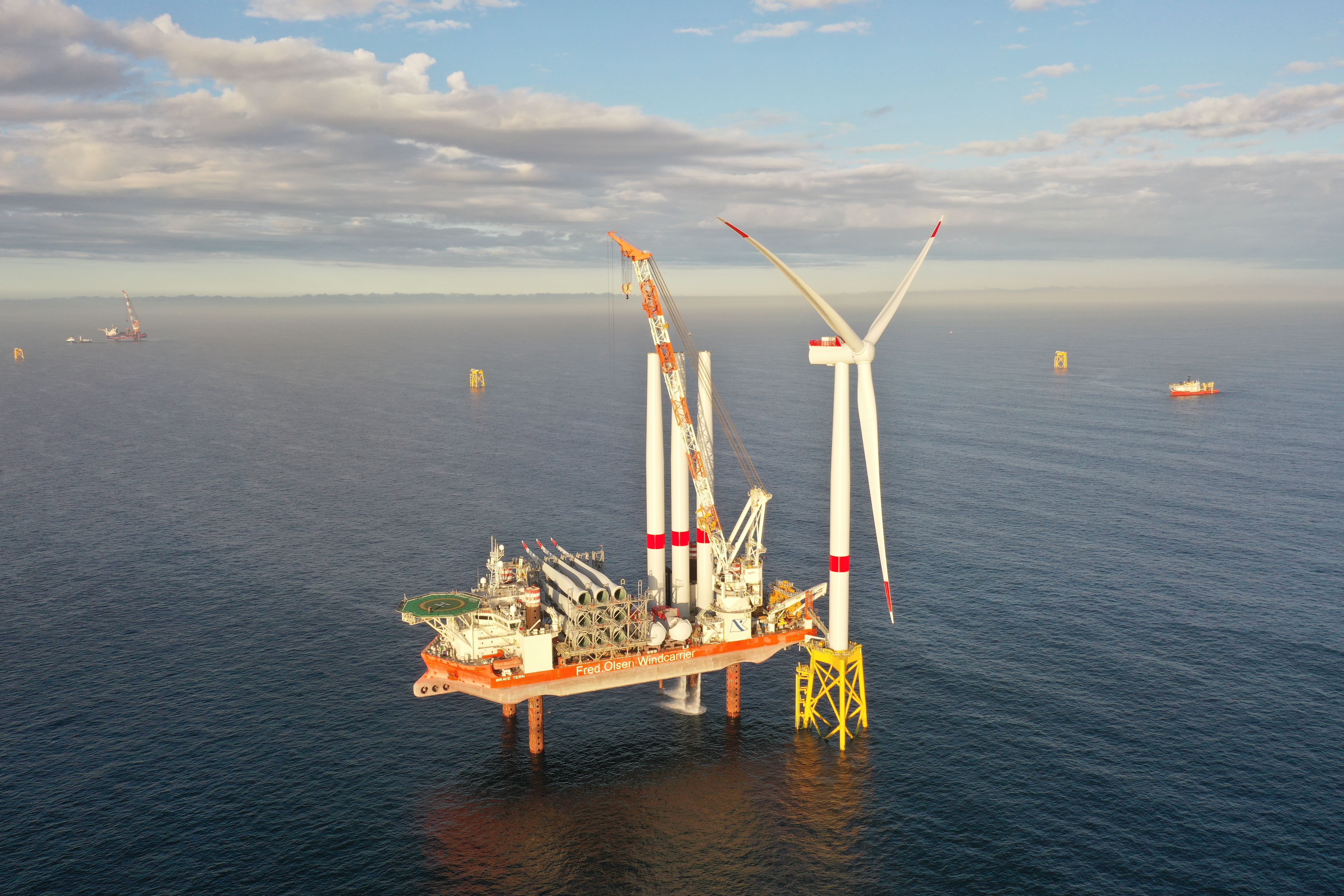
For generations, the Gulf of Mexico has been synonymous with oil and gas, a powerhouse fueling our nation. But a profound shift is underway. Beneath the familiar rigs and platforms, a new energy source is gathering strength, poised to redefine the Gulf’s legacy: offshore wind power.
Table of Contents
- Wind Turbines in the Gulf of Mexico: Charting a New Energy Horizon
- The Gulf’s Untapped Potential: Why Offshore Wind Here?
- A Legacy of Energy Innovation and a Skilled Workforce
- Vast Wind Resources Just Waiting to Be Harnessed
- Economic Diversification and Job Creation
- Navigating the Waters: Key Designations and Progress
- BOEM’s Role: Designating Wind Energy Areas (WEAs)
- First Lease Sales: A Historic Step Forward
- Policy and Regulatory Landscape
- Overcoming the Challenges: Hurricanes, Infrastructure, and Environment
- The Hurricane Factor: Building Resilience
- Grid Integration and Transmission
- Environmental Stewardship: Protecting Marine Life and Ecosystems
- Coexistence with Existing Industries
- Technology Driving the Future: Fixed-Bottom vs. Floating Turbines
- Shallow Waters: The Case for Fixed-Bottom Turbines
- Deeper Waters: The Promise of Floating Technology
- Economic Impact: Jobs, Investment, and Supply Chain
- Bolstering Local Economies
- Supply Chain Development and Manufacturing Opportunities
- Attracting Investment and Shifting Focus
- The Road Ahead: What’s Next for Gulf Offshore Wind?
- Future Lease Sales and Development Milestones
- Research and Innovation
- A Sustainable Energy Future for the Gulf
If you’re wondering whether wind turbines are a viable, let alone active, prospect in the Gulf, you’re not alone. The answer is a resounding yes, and the pace of development is rapidly accelerating. What once seemed a distant dream is now taking concrete shape, driven by vast untapped resources, an existing energy infrastructure, and a pressing need for cleaner energy.
This isn’t just about turbines in the water; it’s about economic diversification, job creation, and positioning the Gulf states at the forefront of America’s energy future. Let’s dive into how this transformation is unfolding.
The Gulf’s Untapped Potential: Why Offshore Wind Here?
The concept of wind power in a region historically dominated by fossil fuels might seem contradictory. However, the Gulf of Mexico possesses unique attributes that make it an exceptionally promising location for offshore wind development.
A Legacy of Energy Innovation and a Skilled Workforce
One of the Gulf’s most significant advantages is its century-long history in offshore energy. This isn’t a blank slate; it’s a foundation. The region boasts an unparalleled infrastructure of ports, vessels, supply chains, and, crucially, a highly skilled workforce accustomed to the demands of offshore operations. This workforce, honed by the oil and gas industry, is uniquely positioned to transition and adapt to the needs of offshore wind, from fabrication and installation to maintenance.
Vast Wind Resources Just Waiting to Be Harnessed
Studies by organizations like the National Renewable Energy Laboratory (NREL) have consistently highlighted the immense wind energy potential of the Gulf. We’re talking about hundreds of gigawatts of electricity generation capacity – more than enough to power millions of homes and businesses across the Gulf Coast and beyond. The consistent, strong winds over the open waters provide an ideal environment for efficient energy capture, making it a true “wind powerhouse.”
Economic Diversification and Job Creation
The push for offshore wind isn’t just about electricity; it’s a powerful engine for economic growth. It represents a chance to diversify economies that have long relied on a single industry. From manufacturing massive turbine components to operating specialized installation vessels and maintaining the farms, offshore wind promises to create thousands of new, high-paying jobs. This includes both direct jobs in the wind sector and indirect jobs across related industries, offering a robust economic future for Gulf communities.
Navigating the Waters: Key Designations and Progress
Transforming the Gulf into an offshore wind hub requires careful planning, regulatory frameworks, and significant investment. Federal agencies, particularly the Bureau of Ocean Energy Management (BOEM), are leading the charge in mapping out this new frontier.
BOEM’s Role: Designating Wind Energy Areas (WEAs)
BOEM is the primary agency responsible for managing the nation’s offshore energy resources. Their critical role involves identifying and designating Wind Energy Areas (WEAs) – specific tracts of federal waters deemed suitable for commercial offshore wind development. These designations are the result of extensive environmental reviews, stakeholder engagement, and technical analysis to minimize conflicts with existing ocean uses and protect marine ecosystems.
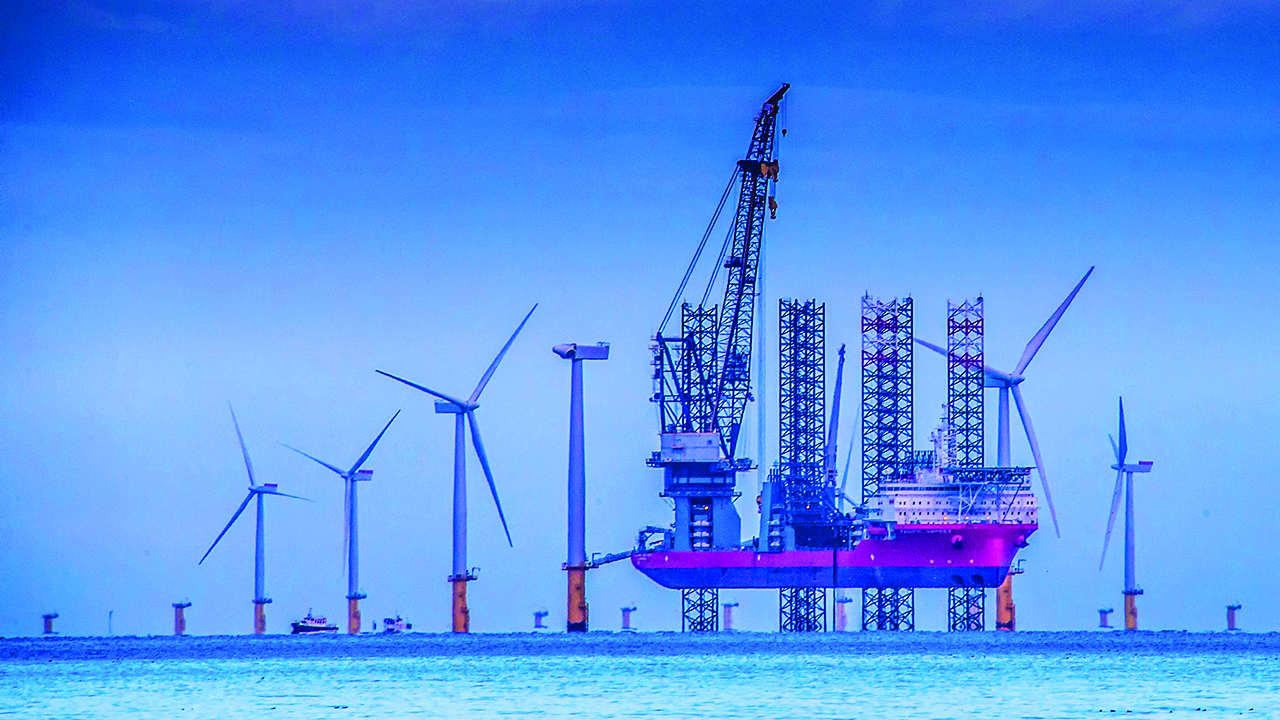
In a landmark announcement, BOEM finalized the designation of four new Wind Energy Areas in the Gulf of Mexico. These areas are strategically located off the coasts of Louisiana and Texas, representing significant milestones in opening up the region for development. These areas are chosen to balance wind potential with environmental considerations and existing activities.
| WEA Location | Approximate Size (Acres) | Potential Capacity (GW) | Status |
|---|---|---|---|
| Off Galveston, Texas | 508,260 | ~6.0 | Finalized |
| Off Lake Charles, Louisiana | 174,275 | ~2.0 | Finalized |
| Additional Areas (Louisiana/Texas) | (Details vary by phase) | Significant | Under Review/Planned |
(Note: Sizes and capacities are approximate and subject to change based on further assessment and lease parcel specifics.)
First Lease Sales: A Historic Step Forward
The designation of WEAs paves the way for commercial lease sales, where developers bid for the right to develop offshore wind projects within these areas. The Gulf of Mexico saw its first-ever offshore wind lease sale in August 2023, a truly historic moment. This sale offered parcels off the coast of Louisiana and Texas, attracting significant interest from major energy companies and consortiums. These initial sales are crucial as they kickstart the development process, leading to site assessment, planning, and ultimately, turbine installation.
Policy and Regulatory Landscape
Developing offshore wind in the Gulf involves a complex interplay of federal and state regulations. The process includes:
- Environmental Reviews: Thorough assessments to understand and mitigate potential impacts on marine life, habitats, and cultural resources.
- Permitting Pathways: Navigating various permits from multiple agencies covering construction, operations, and grid interconnection.
- Stakeholder Engagement: Continuous dialogue with local communities, fishing industries, shipping, oil and gas operators, and environmental groups to ensure collaborative development.
The Biden administration has set ambitious goals for offshore wind development, providing a strong policy tailwind for projects in the Gulf. This federal support, combined with growing interest from Gulf states, is creating a more streamlined and predictable regulatory environment.
Overcoming the Challenges: Hurricanes, Infrastructure, and Environment
No major infrastructure project comes without its hurdles, and offshore wind in the Gulf of Mexico faces a unique set of challenges. However, the industry is actively developing innovative solutions to address each one.
The Hurricane Factor: Building Resilience
The most prominent challenge is undoubtedly the severe weather and hurricane risk. The Gulf is prone to intense storms, which necessitate extremely robust engineering and design. This means:
- Reinforced Turbine Designs: Turbines are being engineered to withstand higher wind speeds and wave loads than those in calmer waters.
- Advanced Foundation Types: Developers are exploring various foundation technologies, including large monopiles, jackets, and especially floating platforms (more on this later), that can endure extreme conditions and be deployed in deeper waters.
- Early Warning Systems and Maintenance Protocols: Sophisticated monitoring and rapid response plans are crucial for operational safety and longevity.
The oil and gas industry has decades of experience operating in hurricane-prone environments, and this expertise is invaluable for the offshore wind sector.
Grid Integration and Transmission
Connecting massive offshore wind farms to the existing onshore electricity grid is another significant undertaking. Key considerations include:
- Subsea Cables: Laying extensive networks of cables to transmit power from the turbines to land.
- Upgrading Onshore Infrastructure: Ensuring the grid can handle the new influx of power, which may require new substations and transmission lines.
- Leveraging Existing Infrastructure: There’s potential to repurpose some existing oil and gas platforms or rights-of-way for transmission lines, reducing costs and environmental impact.
Environmental Stewardship: Protecting Marine Life and Ecosystems
Developing any large-scale project in an ocean environment requires careful consideration of its impact on marine life. Offshore wind projects in the Gulf are subject to rigorous environmental assessments to:
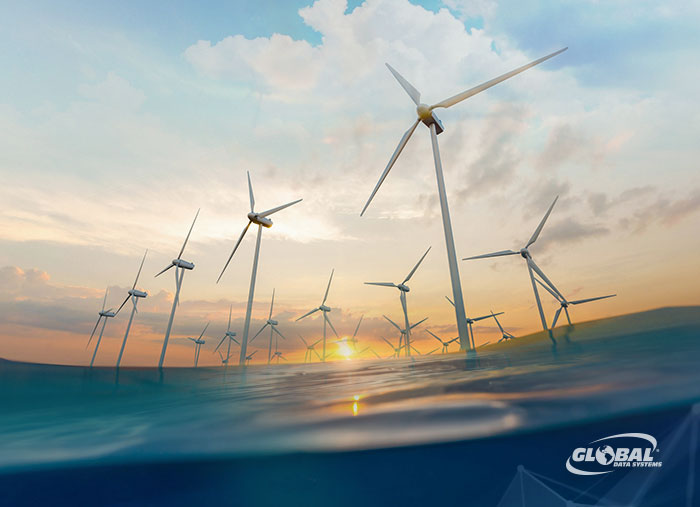
- Minimize Impact on Marine Mammals: Implementing mitigation measures during construction (e.g., noise reduction technologies during piling) and monitoring for species like whales and dolphins.
- Protect Fisheries and Habitats: Siting turbines to avoid critical spawning grounds or sensitive ecosystems, and studying the potential for artificial reef effects.
- Address Avian Concerns: Careful turbine placement and design to reduce risks to migratory birds.
Ongoing research and collaboration with environmental groups and fishing communities are vital to ensure responsible development.
Coexistence with Existing Industries
The Gulf of Mexico is a busy place, hosting a vibrant fishing industry, extensive shipping lanes, and, of course, the entrenched oil and gas sector. Offshore wind development must skillfully coexist with these established uses. This means:
- Careful Siting: Avoiding crucial fishing grounds or major shipping channels.
- Navigation and Safety: Ensuring safe passage for vessels around wind farms.
- Collaboration with O&G: Exploring synergies, such as sharing infrastructure or workforce expertise.
Technology Driving the Future: Fixed-Bottom vs. Floating Turbines
The type of foundation used for offshore wind turbines is critical, especially in the diverse bathymetry (water depth) of the Gulf of Mexico. The choice largely depends on how deep the water is at the site.
Shallow Waters: The Case for Fixed-Bottom Turbines
In shallower areas, typically less than 60 meters (200 feet) deep, fixed-bottom turbines are the standard. These foundations are directly anchored to the seabed and include types such as:
- Monopiles: A single, large-diameter steel pile driven into the seabed, commonly used in relatively shallow waters.
- Jacket Foundations: A lattice-like structure with four legs, providing stability in slightly deeper or more challenging seabed conditions.
Many of the initially designated WEAs in the Gulf include areas shallow enough for these proven technologies, offering a strong starting point for development.
Deeper Waters: The Promise of Floating Technology
Much of the Gulf of Mexico, especially further offshore, features waters too deep for conventional fixed-bottom foundations. This is where floating offshore wind technology becomes revolutionary. Floating turbines are mounted on platforms that are moored to the seabed, allowing them to be deployed in depths greater than 60 meters, potentially reaching hundreds of meters.
This technology is still evolving but holds immense promise for unlocking the vast deep-water wind resources of the Gulf. Advantages of floating turbines include:
- Access to More Wind Resources: Deeper waters often have stronger, more consistent winds.
- Reduced Seafloor Impact: Mooring lines have a smaller footprint than fixed structures.
- Assembly Onshore: Components can often be assembled in port and then towed out, potentially simplifying installation.
| Feature | Fixed-Bottom Turbines | Floating Turbines |
|---|---|---|
| Water Depth Suitability | Up to ~60 meters (200 feet) | Greater than ~60 meters (200 feet) |
| Foundation Type | Monopiles, Jackets, Gravity-based | Spar-buoy, Semi-submersible, Tension-leg platforms |
| Maturity | Established, commercial-scale | Emerging, demonstration projects underway |
| Relevance to Gulf | Suitable for nearshore WEAs | Crucial for unlocking deep-water potential |
Economic Impact: Jobs, Investment, and Supply Chain
The economic ripple effect of offshore wind in the Gulf is projected to be substantial, far beyond simply generating electricity. It’s about rebuilding, modernizing, and creating new pathways for prosperity.
Bolstering Local Economies
States like Louisiana and Texas stand to benefit immensely. A study by the National Renewable Energy Laboratory (NREL) suggested that even a single offshore wind farm in the Gulf could support thousands of jobs. This translates to:
- Increased Employment: From highly specialized engineers to construction workers, technicians, and port staff.
- New Businesses: Supporting services, manufacturing, and R&D will sprout up.
- Tax Revenue: Boosting local and state coffers, which can be reinvested in communities.
Supply Chain Development and Manufacturing Opportunities
Offshore wind projects require enormous components: blades, towers, foundations, substations, and more. Developing a robust regional supply chain is critical to cost reduction and local economic benefit. This includes:

- Port Modernization: Upgrading and expanding ports to handle the massive components.
- Domestic Manufacturing: Attracting or developing factories to produce turbine components and specialized vessels.
- Research & Development: Fostering innovation in Gulf universities and research institutions.
Attracting Investment and Shifting Focus
Major energy companies, including those with a significant presence in the traditional oil and gas sector, are increasingly investing in offshore wind. This is a clear signal of the industry’s long-term viability and growth potential. Their existing capital, expertise, and operational scale make them ideal players to drive this transition, effectively shifting their focus towards a more sustainable energy portfolio.
The Road Ahead: What’s Next for Gulf Offshore Wind?
The journey to fully realize the Gulf of Mexico’s offshore wind potential is still in its early stages, but the momentum is undeniable. What can we expect in the coming years?
Future Lease Sales and Development Milestones
Following the inaugural lease sale, BOEM is expected to hold additional auctions for more WEAs in the Gulf. As developers secure leases, we will see:
- Site Assessment and Surveying: Detailed studies of wind resources, seabed conditions, and environmental factors.
- Permitting and Approvals: The complex process of obtaining all necessary federal and state permits for construction.
- Final Investment Decisions (FIDs): Companies committing to substantial capital for project development.
- Construction Commencements: The exciting phase of manufacturing and installing turbines and infrastructure.
Research and Innovation
Continuous research by institutions like NREL and NOAA will be crucial. This includes:
- Improving Turbine Efficiency: Developing larger, more powerful turbines specifically designed for Gulf conditions.
- Advancing Floating Technology: Reducing costs and increasing reliability of floating platforms.
- Environmental Monitoring: Long-term studies to understand and mitigate ecological impacts.
- Grid Optimization: Innovating solutions for seamlessly integrating variable wind power into the grid.
A Sustainable Energy Future for the Gulf
The vision for wind turbines in the Gulf of Mexico extends beyond mere electricity generation. It encompasses a broader transformation: a more resilient economy, a cleaner environment, and a leadership role in the global energy transition. The Gulf, with its rich energy heritage and forward-thinking approach, is truly charting a new course towards a sustainable and prosperous future.
Frequently Asked Questions
Are there currently wind turbines in the Gulf of Mexico?
While the Gulf of Mexico has designated Wind Energy Areas (WEAs) and held its first-ever offshore wind lease sale in August 2023, commercial-scale wind turbines are not yet operational. The development process, from leasing to construction, typically takes several years, but significant progress is being made.
What are Wind Energy Areas (WEAs) and where are they located in the Gulf?
Wind Energy Areas (WEAs) are specific zones designated by the Bureau of Ocean Energy Management (BOEM) in federal waters for potential offshore wind development. In the Gulf of Mexico, BOEM has finalized four WEAs, primarily located off the coasts of Texas (near Galveston) and Louisiana (near Lake Charles).
What are the biggest challenges for offshore wind in the Gulf of Mexico?
The primary challenges include the region’s susceptibility to hurricanes and extreme weather, the need for robust grid infrastructure upgrades for power transmission, and ensuring harmonious coexistence with existing industries like oil and gas, fishing, and shipping. Environmental protection of marine life is also a key consideration.
How do floating wind turbines differ from fixed-bottom ones, and why are they important for the Gulf?
Fixed-bottom turbines are anchored directly to the seabed in shallower waters (typically up to 60 meters). Floating turbines are mounted on platforms moored to the seabed, allowing deployment in much deeper waters. Floating technology is crucial for the Gulf because much of its offshore area is too deep for fixed-bottom foundations, unlocking a vast amount of untapped wind potential.
What are the economic benefits of offshore wind development in the Gulf?
Offshore wind development in the Gulf is projected to create thousands of jobs, diversify local economies traditionally reliant on oil and gas, stimulate investment in port infrastructure and manufacturing, and establish new regional supply chains. It represents a significant opportunity for economic growth and stability.
How does offshore wind development impact marine life and the environment in the Gulf?
Extensive environmental reviews are conducted to minimize impacts. Mitigation measures include noise reduction during construction to protect marine mammals, careful siting to avoid critical habitats, and ongoing monitoring of ecosystems. The industry collaborates with environmental groups and researchers to ensure responsible development.
Is the existing oil and gas infrastructure in the Gulf beneficial for offshore wind?
Absolutely. The Gulf’s existing oil and gas infrastructure, including ports, vessels, supply chains, and a highly skilled workforce, provides a significant advantage. This infrastructure and expertise can be repurposed or adapted, reducing development costs and accelerating the transition to offshore wind.