Wind Turbines in Residential Areas: The Definitive Guide to Home Wind Power
Dreaming of a future where your home runs on clean, self-generated power? For many, residential wind turbines conjure images of sustainable living, reduced electricity bills, and energy independence. But let’s be honest, the reality of putting a spinning behemoth in your backyard isn’t always as simple as the dream.
Table of Contents
- Wind Turbines in Residential Areas: The Definitive Guide to Home Wind Power
- The Big Picture: When Residential Wind Makes Sense (and When It Doesn’t)
- Understanding Residential Wind Turbines: More Than Just a Smaller Version of Big Wind
- What Exactly Are Small Wind Turbines (SWT)?
- Horizontal Axis vs. Vertical Axis: Which One for Your Home?
- The Non-Negotiable Factors: Is Your Home a Good Candidate for Wind Power?
- Factor 1: The Wind Resource – It’s All About the Gusts (and Consistency)
- Factor 2: Space Requirements – You Need Room to Breathe (and Spin)
- Factor 3: Zoning and Permitting – The Bureaucratic Breeze (or Barrier)
- Factor 4: Noise Considerations – The Hum in Your Home
- Factor 5: Visual Impact and Aesthetics – A View to a Spin
- The Practicalities: Sizing, Costs, and Financial Sense
- How Much Power Do You Need? Sizing Your Residential Wind Turbine
- What Does a Residential Wind Turbine System Really Cost?
- Payback Period and ROI: Is It a Sound Investment?
- Incentives and Rebates: Lowering the Financial Barrier
- Installation and Maintenance: Keeping the Blades Spinning
- The Installation Process: From Groundwork to Grid Connection
- Maintenance Needs: Keeping Your Investment Healthy
- Wind vs. Other Renewables: A Holistic Home Energy Strategy
- Wind vs. Solar: A Head-to-Head for Residential Use
- Hybrid Systems: Best of Both Worlds?
- The Future of Residential Wind: Innovations and Outlook
- Conclusion: Making an Informed Decision for Your Home
So, is a home wind turbine right for your backyard? It’s a question with nuances, not a simple yes or no. For a select group of homeowners, small wind electric systems offer a powerful, complementary solution to rising energy costs and environmental concerns. For others, due to location, cost, or local regulations, they simply don’t make sense. This guide will cut through the noise, giving you a crystal-clear understanding of whether residential wind power is a practical step for your unique situation.
The Big Picture: When Residential Wind Makes Sense (and When It Doesn’t)
Let’s start with a quick reality check. Residential wind power isn’t for everyone. It thrives under specific conditions:
- It Makes Sense If: You live in a rural or semi-rural area with consistent, unobstructed wind speeds (averaging 10-12 mph or more), have ample land, face high electricity bills, and are committed to a long-term investment in renewable energy. You also need local zoning that’s amenable to turbines.
- It Doesn’t Make Sense If: You’re in a dense urban or suburban setting, your property has significant wind obstructions (tall buildings, trees), average wind speeds are low, or local ordinances strictly prohibit turbine installation.
Understanding these fundamentals upfront will save you a lot of time and potential headaches. Now, let’s dive into the specifics.
Understanding Residential Wind Turbines: More Than Just a Smaller Version of Big Wind
When we talk about residential wind turbines, we’re not discussing the massive structures you see dotted across vast wind farms. We’re talking about systems designed specifically for homes, farms, and small businesses.
What Exactly Are Small Wind Turbines (SWT)?
Small Wind Turbines (SWT) typically range from 400 watts to 100 kilowatts (kW) in generating capacity. Most residential systems fall into the 1-10 kW range, sufficient to offset a significant portion, or even all, of a home’s electricity consumption. Unlike utility-scale turbines that feed directly into the national grid, residential systems are often designed for on-site consumption, sometimes with the ability to feed excess power back into the grid (net metering).
Horizontal Axis vs. Vertical Axis: Which One for Your Home?
The world of small wind turbines is broadly divided into two main architectural types:
- Horizontal Axis Wind Turbines (HAWT): These are the classic ‘propeller’ style turbines, similar in design to large utility-scale turbines, but scaled down. They generally have 2-3 blades and need to be oriented into the wind.
- Vertical Axis Wind Turbines (VAWT): These turbines have blades that rotate around a vertical axis. They can be egg-beater shaped (Darrieus type) or cup-shaped (Savonius type). A key advantage is they don’t need to be pointed into the wind.
Here’s a quick comparison:
| Type | Description | Pros | Cons | Ideal Residential Use |
|---|---|---|---|---|
| Horizontal Axis (HAWT) | Traditional ‘propeller’ design with blades facing the wind. Typically mounted on tall towers. | More efficient at converting wind energy; well-understood technology; higher power output for given size. | Requires a tall tower and yaw mechanism; can be noisy; more visually impactful; sensitive to turbulence. | Rural properties with consistent, unobstructed high wind speeds; off-grid applications. |
| Vertical Axis (VAWT) | Blades rotate around a vertical shaft; omnidirectional (no need to face wind); can be ground-mounted. | Quieter operation; less visually imposing; better performance in turbulent winds; easier maintenance (ground-level generator). | Generally less efficient than HAWTs; lower power output for same rotor swept area; less mature technology. | Sites with less consistent or turbulent wind; properties where aesthetics or noise are major concerns; hybrid systems. |
The Non-Negotiable Factors: Is Your Home a Good Candidate for Wind Power?
Before you even think about buying a turbine, you need to conduct a rigorous site assessment. This isn’t optional; it’s the difference between a productive investment and an expensive lawn ornament.
Factor 1: The Wind Resource – It’s All About the Gusts (and Consistency)
This is the single most critical factor. Wind power output scales with the cube of the wind speed. This means if you double your wind speed, you get eight times the power! A marginal site will yield negligible power, regardless of the turbine.
- How to Assess Wind Speed:
- Local Wind Maps: Government agencies (like the NREL in the U.S. for wind resource maps) and some university programs offer general wind data.
- Anemometer Data: For a truly accurate assessment, consider installing a temporary anemometer (wind speed measuring device) at the proposed turbine height for at least a year.
- Professional Site Assessment: An experienced wind energy installer will evaluate your property for potential obstructions and prevailing wind patterns.
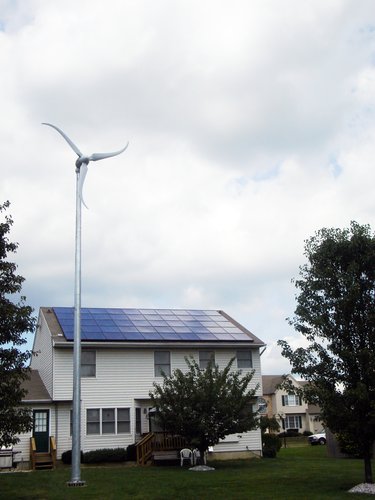
- Unobstructed Flow: A turbine should be elevated at least 30 feet (9 meters) above any obstacle within a 500-foot radius (trees, buildings). This is crucial to avoid turbulence, which reduces efficiency and stresses the turbine components.
Factor 2: Space Requirements – You Need Room to Breathe (and Spin)
Residential wind turbines, especially HAWTs, require significant space:
- Tower Height: Taller towers access stronger, less turbulent winds, but require more foundation, guy wires (for guyed towers), and setbacks.
- Setbacks: Local zoning laws will dictate minimum distances from property lines, other buildings, and public roads. These are often based on tower height, e.g., setback equal to 1.5 times the total tower height.
- Safety Clearance: You need clear space around the turbine for safety and maintenance.
Factor 3: Zoning and Permitting – The Bureaucratic Breeze (or Barrier)
This is where many residential wind dreams hit a wall. Local regulations vary wildly, and many communities have either outdated or restrictive ordinances regarding wind turbines.
- What to Research:
- Height Restrictions: Often limited by overall building height or specific wind turbine ordinances.
- Noise Limits: Decibel limits at property lines are common.
- Setback Requirements: As mentioned, these can be substantial.
- Visual Impact: Some communities have aesthetic guidelines or outright bans on structures deemed visually intrusive.
- Steps to Navigate Permits:
- Contact Your Local Planning Department: This is your first stop. Ask for specific zoning ordinances regarding small wind energy systems.
- Review HOA Covenants: If you live in a planned community, your Homeowners Association (HOA) might have additional restrictions.
- Work with an Installer: Reputable wind energy companies are often familiar with local permitting processes and can help navigate the bureaucracy.
Factor 4: Noise Considerations – The Hum in Your Home
While modern small wind turbines are significantly quieter than older models, they are not silent. Noise can be a concern for both homeowners and neighbors.
- Types of Noise:
- Mechanical Noise: From gears, generators, and yaw mechanisms (more common in older or poorly maintained units).
- Aerodynamic Noise: The ‘whoosh’ or ‘swish’ of blades cutting through the air. This is often the dominant sound.
- Mitigation: Proper siting, using high-quality turbines, and adequate setbacks can minimize noise impact. Some innovative designs, like the Archimedes turbine (mentioned in SERP), aim for near-noiseless operation, though widespread availability for residential use is still developing.
Factor 5: Visual Impact and Aesthetics – A View to a Spin
A 50-foot or 100-foot tower with spinning blades is a significant change to a landscape. While many appreciate the symbol of clean energy, others find it an eyesore. This can lead to local opposition, even if zoning permits the installation.
The Practicalities: Sizing, Costs, and Financial Sense
Once you’ve determined your site is suitable, it’s time to crunch the numbers.
How Much Power Do You Need? Sizing Your Residential Wind Turbine
The goal of a residential wind turbine is typically to offset a portion or all of your home’s electricity consumption. To size your system:
- Review Past Electric Bills: Look at your average monthly and annual kilowatt-hour (kWh) usage. For example, the average U.S. home uses around 900 kWh/month (10,800 kWh/year).
- Consider Your Goals: Do you want to cover 50%, 100%, or more of your usage?
- Calculate Turbine Output: A reputable installer can use your specific site’s wind data and the turbine’s power curve (a chart showing power output at various wind speeds) to estimate annual kWh production. A 5 kW turbine in a good wind resource might produce 8,000-12,000 kWh annually.
What Does a Residential Wind Turbine System Really Cost?
This is often the biggest hurdle. Residential wind systems are a significant investment, typically ranging from $20,000 to $70,000 or more, depending on size, tower height, and installation complexity.
Here’s an estimated breakdown:
| Component | Estimated Cost Range (USD) | Notes |
|---|---|---|
| Turbine Unit (1-10 kW) | $10,000 – $40,000 | Price varies significantly by manufacturer, power rating, and design (HAWT vs. VAWT). |
| Tower (30-100 ft) | $3,000 – $15,000 | Cost depends on height, type (guyed vs. free-standing), and material. |
| Inverter & Balance of System (BOS) | $2,000 – $8,000 | Includes inverter, wiring, circuit breakers, grounding equipment. Batteries add significant cost for off-grid. |
| Installation Labor | $5,000 – $15,000 | Requires specialized equipment (cranes) and skilled labor. |
| Permitting & Site Assessment | $500 – $3,000 | Varies by locality and complexity of studies required. |
| Maintenance (Annual Estimate) | $100 – $500 | Includes inspections, lubrication, minor repairs. Can be higher for major component failure. |
Payback Period and ROI: Is It a Sound Investment?
The payback period for a residential wind turbine can range from 5-20 years or more. Factors influencing this include:

- Wind Resource: Higher, more consistent wind means more energy produced, faster payback.
- Electricity Rates: If you live in an area with high utility rates, the savings from self-generation are more substantial.
- Incentives: Tax credits, grants, and rebates can significantly reduce upfront costs.
- System Cost: More expensive systems take longer to pay off.
It’s crucial to perform a thorough financial analysis, factoring in all costs, estimated production, and potential savings. For some, the environmental benefits and energy independence outweigh a longer financial payback.
Incentives and Rebates: Lowering the Financial Barrier
Government incentives are crucial for making residential wind economically viable:
- Federal Investment Tax Credit (ITC): Similar to solar, residential wind systems may qualify for a significant federal tax credit (currently 30% for systems installed through 2032).
- State & Local Programs: Many states and municipalities offer their own rebates, grants, or property tax exemptions for renewable energy systems. Consult DSIRE (Database of State Incentives for Renewables & Efficiency) for current programs in your area.
- Net Metering: Allows you to feed excess electricity back to the grid and receive credit on your utility bill, further improving financial returns.
Installation and Maintenance: Keeping the Blades Spinning
Installing a wind turbine is not a DIY project. It requires professional expertise and specialized equipment.
The Installation Process: From Groundwork to Grid Connection
A typical installation involves:
- Site Preparation: Clearing land, pouring a concrete foundation for the tower.
- Tower Erection: This often requires a crane to safely lift and secure the tower sections.
- Turbine Assembly: The turbine head (nacelle, generator, blades) is assembled, often on the ground, then lifted onto the tower.
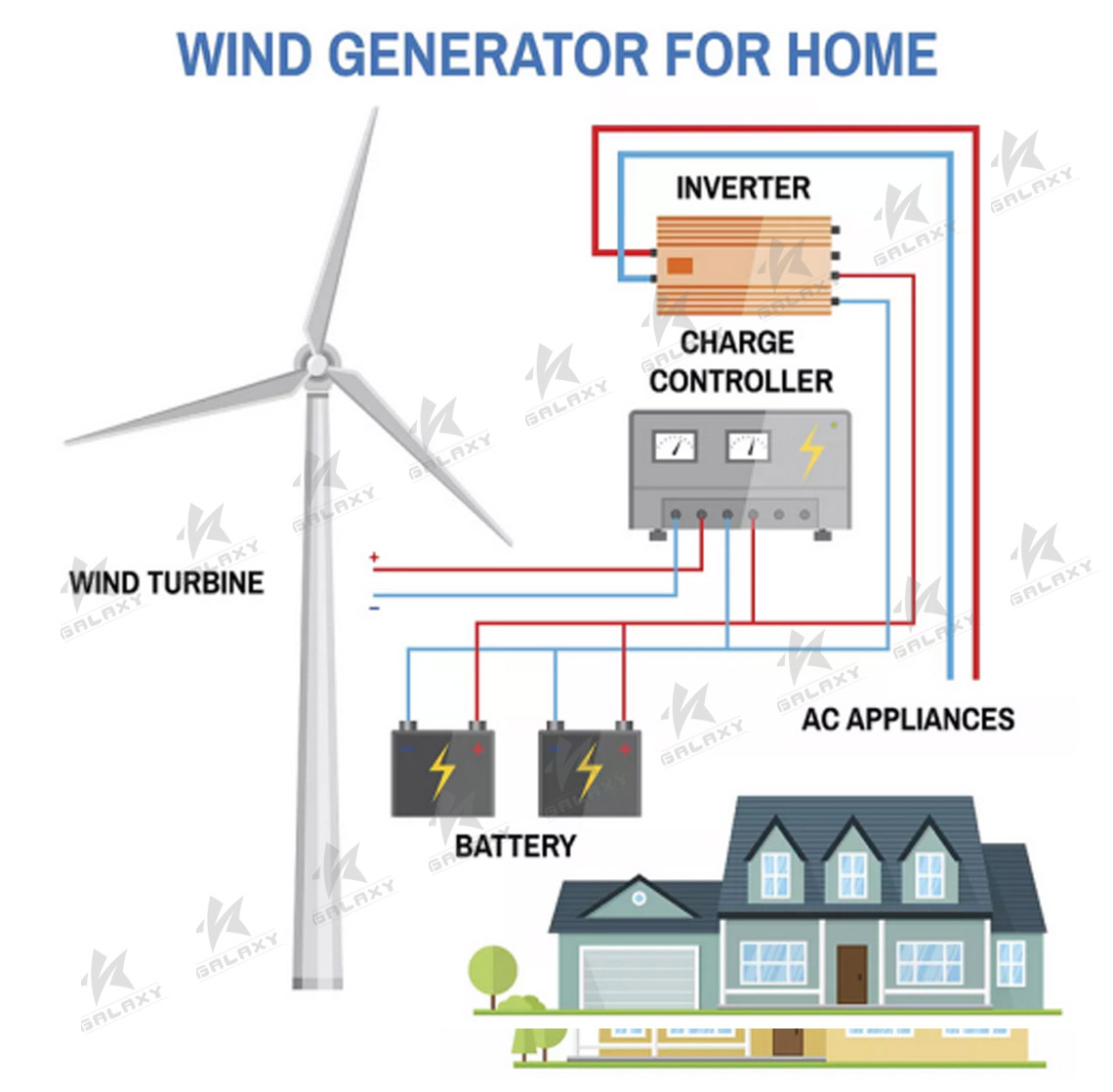
- Electrical Hookup: Wiring the turbine to an inverter and then connecting to your home’s electrical panel (grid-tied) or battery bank (off-grid).
- Commissioning: Testing the system and ensuring it operates safely and efficiently.
Maintenance Needs: Keeping Your Investment Healthy
While generally robust, wind turbines do require periodic maintenance to ensure optimal performance and longevity.
- Annual Inspections: Check for loose bolts, wire integrity, blade damage, and overall structural soundness.
- Lubrication: Moving parts (gears, bearings) need regular lubrication.
- Component Replacement: Over decades, components like inverters or even the generator may need replacement.
- Lifespan: A well-maintained residential wind turbine can have a lifespan of 20-30 years or more.
Wind vs. Other Renewables: A Holistic Home Energy Strategy
Residential wind power often isn’t a standalone solution but part of a broader energy strategy.
Wind vs. Solar: A Head-to-Head for Residential Use
Solar panels are often the first choice for residential renewable energy due to easier installation and broader applicability. However, wind and solar have different strengths:
| Feature | Small Wind Turbines | Residential Solar PV |
|---|---|---|
| Energy Source | Kinetic energy of moving air. | Photons from sunlight. |
| Peak Generation | Often highest at night, winter, or stormy weather. Can produce 24/7 with sufficient wind. | Peak midday, sunny conditions. No generation at night. |
| Space Requirements | Requires significant land for tower height and setbacks. | Requires clear, unshaded roof space or ground space. |
| Visual Impact | Can be significant due to height and spinning blades. | Generally less impactful, blends with roofline (depending on installation). |
| Maintenance | Annual inspections, occasional lubrication, potential component checks. | Minimal, occasional cleaning, inverter checks. |
| Cost Effectiveness | Higher upfront cost per kW than solar; dependent on strong wind resource. | Lower upfront cost per kW; widely adopted and competitive. |
| Ideal Location | Rural, open areas with consistent, high average wind speeds. | Most residential areas with good sun exposure and unshaded roofs. |
Hybrid Systems: Best of Both Worlds?
For optimal energy independence and reliability, many off-grid or energy-conscious homeowners consider hybrid systems, combining wind and solar power with battery storage. This approach leverages the strengths of each technology:
- Wind often generates more power during winter months or at night.
- Solar excels during sunny daytime hours.
- Battery storage ensures a consistent power supply, buffering intermittent generation.
A well-designed hybrid system can provide more stable and continuous power than either technology alone, making it a powerful choice for remote homes or those striving for maximum self-sufficiency.
The Future of Residential Wind: Innovations and Outlook
While residential wind faces unique challenges, innovation continues. Researchers are developing:
:max_bytes(150000):strip_icc()/wind-turbine-generator-on-house-roof-90967703-b9619befbf954726ae92dfb6154711f2.jpg "Is a Home Wind Turbine Right for You?")
- Smaller, More Efficient Designs: Efforts to create turbines with higher output in lower wind speeds and reduced footprints.
- Quieter Operation: Focus on aerodynamic blade designs and magnetic levitation generators to minimize noise.
- Building-Integrated Wind: Concepts for turbines that can be mounted directly onto buildings, though these often face significant efficiency and vibration challenges.
- Smart Grid Integration: Better connectivity and control to seamlessly integrate residential wind into a smart home energy ecosystem.
The pace of innovation is slower than in solar, but the potential for the right applications remains strong.
Conclusion: Making an Informed Decision for Your Home
Residential wind turbines are not a one-size-fits-all solution. They represent a significant investment and require specific environmental, spatial, and regulatory conditions to be truly practical and cost-effective. If you own a rural property with excellent wind resources, a large enough lot, and local zoning that welcomes such installations, a home wind turbine could be a game-changer for your energy independence and environmental footprint.
However, if you’re in a dense suburban area, have limited space, or face low wind speeds and restrictive ordinances, other renewable energy solutions like solar PV or community solar might be a more sensible and economically viable path. Your first step should always be a professional site assessment. A qualified installer can evaluate your specific property, analyze the wind resource, and guide you through the local permitting process, helping you make an informed decision that truly empowers your home with clean energy.
”
}
Frequently Asked Questions
Are residential wind turbines practical for every home?
No, residential wind turbines are practical only for specific homes. They require consistent, unobstructed wind speeds (typically 10-12 mph average), significant land area, and local zoning ordinances that permit their installation. Urban or densely suburban areas with obstructions or low wind resources are generally not suitable.
How much does a small wind turbine system cost for a home?
The total cost for a residential wind turbine system typically ranges from $20,000 to $70,000 or more, depending on the turbine size (1-10 kW), tower height, installation complexity, and whether it includes battery storage. This includes the turbine unit, tower, inverter, balance of system, and installation labor.
What’s the difference between Horizontal Axis (HAWT) and Vertical Axis (VAWT) residential turbines?
Horizontal Axis Wind Turbines (HAWT) are the traditional ‘propeller’ style, generally more efficient and producing higher power output, but require tall towers and are more sensitive to turbulence. Vertical Axis Wind Turbines (VAWT) rotate around a vertical shaft, are often quieter, perform better in turbulent winds, and are less visually imposing, but typically less efficient than HAWTs for the same size.
What are the biggest challenges to installing a home wind turbine?
The biggest challenges include securing a site with sufficient, unobstructed wind resources, navigating often restrictive local zoning and permitting regulations (especially regarding height and setbacks), the significant upfront cost, and potential concerns about noise and visual impact from neighbors.
Can I combine a wind turbine with solar panels for my home?
Yes, hybrid systems combining wind and solar power with battery storage are an excellent option for maximizing energy independence and reliability. Wind often generates power during different times (e.g., at night, in winter) than solar, creating a more consistent energy supply throughout the year.
How do I determine if my property has enough wind for a turbine?
The best way is through a professional site assessment by a qualified installer. They will evaluate your property for obstructions, use wind maps, and may recommend installing a temporary anemometer to measure actual wind speeds at the proposed turbine height for an extended period to get accurate data.