Wind Turbines in the Gulf of Mexico: A New Horizon for Energy and Economy
For decades, the Gulf of Mexico has been synonymous with oil and gas, a powerhouse driving America’s energy needs. But a new tide is turning, one powered by the very winds that sweep across its vast expanse. The prospect of wind turbines in the Gulf of Mexico is no longer a distant dream but a tangible reality, poised to reshape our energy landscape, create thousands of jobs, and cement the region’s role as a leader in American energy production.
Table of Contents
- Wind Turbines in the Gulf of Mexico: A New Horizon for Energy and Economy
- The Gulf’s Untapped Potential: Why Offshore Wind Here?
- Shifting Tides: From Oil to Wind
- A Vast Resource: Wind Energy Potential
- Economic Windfall: Jobs and Investment
- Navigating the Waters: Key Players and Official Designations
- BOEM’s Role: Charting the Course
- Understanding Wind Energy Areas (WEAs)
- The Technology and Engineering Behind Gulf Offshore Wind
- Turbines Built for the Tropics: Hurricane Resilience
- Floating Foundations: The Future of Deepwater
- Transmission Challenges: Connecting to the Grid
- Co-existence and Collaboration: Integrating with Existing Industries
- Sharing the Seas: Oil & Gas Infrastructure
- A Skilled Workforce Transition
- Environmental Stewardship: Protecting the Gulf’s Ecosystems
- Mitigating Marine Impact
- Research and Monitoring: A Proactive Approach
- State-by-State Spotlight: Who’s Leading the Charge?
- Texas: A Pioneer in the Making
- Louisiana: Diversifying the Energy Landscape
- Florida & Other Gulf States: Varied Approaches
- The Road Ahead: Challenges and Opportunities
- Permitting Pathways and Regulatory Hurdles
- Supply Chain Development
- Community Engagement and Social License
- The Future is Bright: What to Expect Next
You’re likely here because you’re curious, maybe even skeptical, about how wind energy fits into a region so deeply intertwined with fossil fuels. I get it. The Gulf presents unique challenges – hurricanes, existing infrastructure, and a delicate ecosystem – but also immense opportunities. This isn’t just about clean energy; it’s about energy diversification, economic resilience, and strategic innovation. Let’s dive deep into what’s happening, why it matters, and what the future holds for this ambitious undertaking.
The Gulf’s Untapped Potential: Why Offshore Wind Here?
The question isn’t ‘if’ but ‘when’ and ‘how’ the Gulf of Mexico will become a significant player in offshore wind. The arguments are compelling, driven by a convergence of environmental necessity, economic foresight, and technological advancements.
Shifting Tides: From Oil to Wind
The Gulf Coast states, with their robust port infrastructure, experienced maritime workforce, and deep industrial expertise, are perfectly positioned for this transition. Think about it: the same skills used to build and maintain offshore oil platforms – engineers, welders, mariners, logistics experts – are directly transferable to offshore wind. This isn’t a replacement; it’s an evolution of an existing energy workforce, providing new avenues for career growth and economic stability in a global energy market that’s increasingly seeking sustainable solutions.
A Vast Resource: Wind Energy Potential
Despite perceptions of gentler winds, the Gulf of Mexico holds enormous untapped wind energy potential, particularly at higher altitudes where modern turbines operate most efficiently. The National Renewable Energy Laboratory (NREL) has identified a staggering resource potential, enough to power millions of homes. This isn’t just about occasional breezes; it’s about consistent, powerful winds further offshore that can provide reliable, clean electricity to the populous Gulf Coast states and beyond. Harvesting this resource means less reliance on volatile fossil fuel markets and a more stable energy future.
Economic Windfall: Jobs and Investment
The economic benefits are transformative. A single large-scale offshore wind farm could support thousands of jobs during development and construction, with hundreds more long-term operational and maintenance roles. This translates into billions of dollars in private investment, revitalizing port communities, stimulating local supply chains, and generating significant tax revenue for states and municipalities. These are high-paying, skilled jobs that keep talent in the region and build new industries.
Navigating the Waters: Key Players and Official Designations
Bringing offshore wind to life in the Gulf requires a structured, regulated approach. The Bureau of Ocean Energy Management (BOEM) is the primary federal agency responsible for this, working collaboratively with state governments, industry, and local communities.
BOEM’s Role: Charting the Course
BOEM is the architect of offshore energy development in federal waters. Their process is thorough, involving extensive environmental reviews, public consultations, and stakeholder engagement. They are responsible for designating Wind Energy Areas (WEAs), conducting lease sales, and overseeing the planning, construction, and operation of offshore wind farms. This meticulous process ensures that development is environmentally sound, economically viable, and socially responsible.
Understanding Wind Energy Areas (WEAs)
WEAs are specific offshore areas identified by BOEM as suitable for wind energy development, after careful consideration of factors like wind resource quality, existing ocean uses (shipping lanes, military operations, fishing grounds), environmental sensitivities, and technical feasibility. These designations are critical first steps, signaling to developers where they can bid for leases and begin detailed planning.
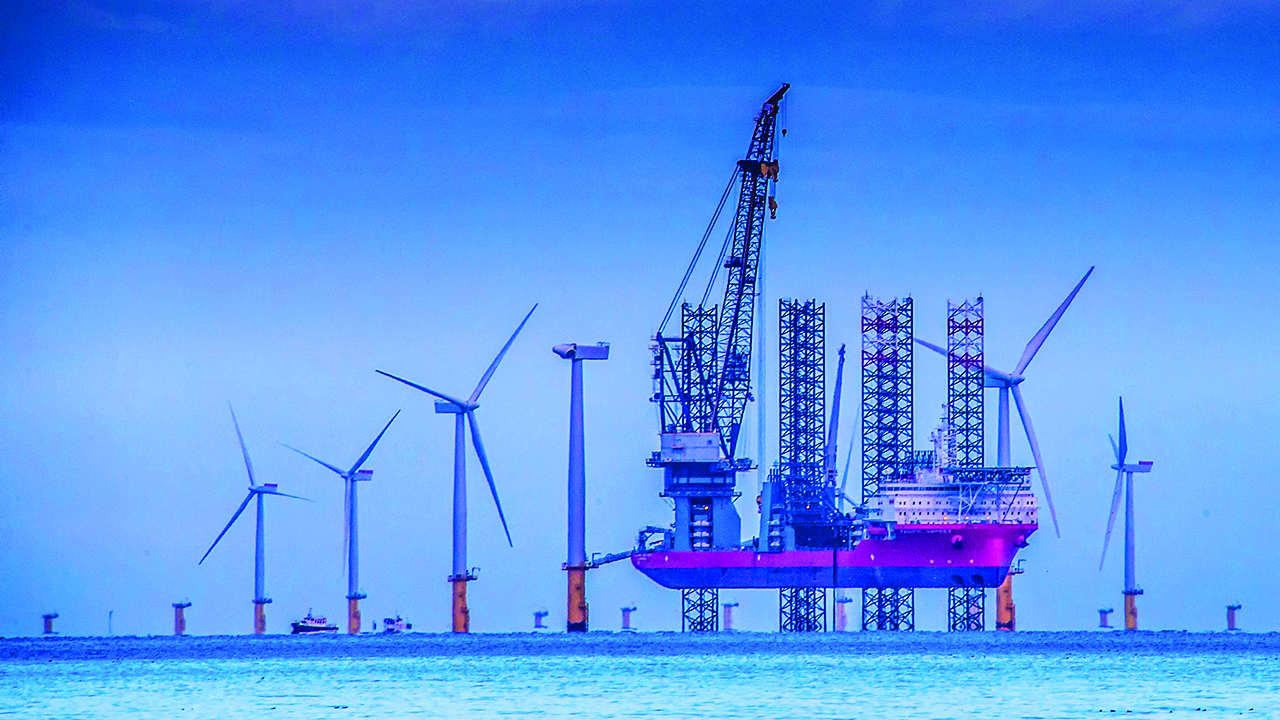
Here’s a snapshot of key designated and proposed areas:
| Area | Approx. Size (Acres) | Potential Capacity (GW) | Status | Key States Impacted |
|---|---|---|---|---|
| Galveston WEA | 508,265 | 5.2 | Finalized & Leased | Texas |
| Lake Charles WEA | 174,000 | 2.0 | Finalized & Leased | Louisiana |
| Future Central Gulf WEA | ~1,000,000 (est.) | 10+ (est.) | Proposed/Under Review | Louisiana, Mississippi, Alabama |
| Future Eastern Gulf WEA | TBD | TBD | Call for Information/Nominations | Florida |
The Technology and Engineering Behind Gulf Offshore Wind
The Gulf of Mexico isn’t the North Sea, and its unique conditions demand specialized engineering solutions. This is where innovation truly shines.
Turbines Built for the Tropics: Hurricane Resilience
This is perhaps the biggest concern for many: how will these massive structures withstand the ferocity of a Gulf hurricane? The answer lies in advanced engineering and design. Modern offshore wind turbines are built to incredibly rigorous standards, capable of surviving extreme weather events. This includes:
- Robust Materials: Stronger steel, reinforced concrete, and advanced composites.
- Intelligent Control Systems: Turbines can automatically shut down, feather their blades, and yaw out of the wind’s direct path to minimize stress during high winds.
- Deep Foundations: Whether fixed-bottom (monopiles, jackets) or floating, the foundations are designed to withstand massive forces and seabed shifts.
- Operational Protocols: Strict safety measures and monitoring systems are in place, often mirroring the protocols used in the oil and gas industry.
While no structure is impervious to the strongest forces of nature, the industry is continually pushing the boundaries of resilience, learning from existing offshore infrastructure in the Gulf.
Floating Foundations: The Future of Deepwater
Much of the prime wind resource in the Gulf lies in deeper waters, where traditional fixed-bottom foundations become economically unfeasible. This is where floating offshore wind technology becomes a game-changer. Imagine massive structures, tethered to the seabed, supporting giant turbines. These platforms can be:
- Semi-submersibles: Partially submerged, buoyed by ballasting tanks.
- Spar buoys: Long, slender, ballasted cylinders extending deep into the water.
- Tension-leg platforms: Held in place by taut mooring lines.
Floating wind opens up vast new areas for development, making previously inaccessible wind resources available and offering greater flexibility in site selection.
Transmission Challenges: Connecting to the Grid
Getting the power from offshore turbines to onshore consumers is a significant engineering challenge. This involves a complex network of undersea cables, offshore substations, and onshore grid upgrades. The Gulf’s existing oil and gas transmission infrastructure, however, could offer valuable synergies. Utilizing existing corridors or adapting disused platforms for substations could reduce costs and accelerate deployment. Integrating this new renewable energy seamlessly into the existing grid will require substantial investment and coordinated planning.
Co-existence and Collaboration: Integrating with Existing Industries
The Gulf of Mexico is a working coast, with vibrant fishing communities, vital shipping lanes, and a mature oil and gas industry. Offshore wind development must, and will, integrate with these existing uses, not replace them.
Sharing the Seas: Oil & Gas Infrastructure
One of the most exciting aspects of Gulf offshore wind is the potential for collaboration with the oil and gas sector. Existing pipelines, supply vessels, and even decommissioned platforms could be repurposed for wind energy. This ‘co-use’ model can lead to cost efficiencies, reduced environmental footprint, and a smoother transition for the region’s energy economy. It’s not about one industry winning over another; it’s about synergistic growth.
A Skilled Workforce Transition
The Gulf Coast possesses an unparalleled offshore workforce. The skills gained in oil and gas – deepwater drilling, subsea engineering, maritime logistics, platform maintenance – are directly transferable to offshore wind. This means that as the wind industry grows, it can tap into a ready-made, highly skilled labor pool, offering these workers new, long-term career paths. Local educational institutions and workforce development programs are already beginning to adapt their curricula to meet the needs of this emerging sector, ensuring a just transition for Gulf communities.
Environmental Stewardship: Protecting the Gulf’s Ecosystems
Developing any new industry in a sensitive ecosystem like the Gulf of Mexico demands rigorous environmental assessment and mitigation. Offshore wind is no exception.
Mitigating Marine Impact
Extensive studies are conducted to understand and mitigate potential impacts on marine life. This includes:
- Avian Protection: Siting turbines away from major migratory bird paths.
- Marine Mammal Protection: Using quieter installation techniques (e.g., vibratory hammers instead of pile driving), establishing exclusion zones, and employing marine mammal observers.
- Fisheries Considerations: Collaborating with fishing communities on turbine placement, ensuring navigational safety, and studying potential impacts on fish aggregation (which can sometimes be positive, creating new reef habitats around foundations).
- Benthic Habitat Protection: Careful siting to avoid sensitive seafloor habitats like coral reefs or seagrass beds.
The goal is always to minimize disturbance and ensure the long-term health of the Gulf’s diverse ecosystems.
Research and Monitoring: A Proactive Approach
Environmental stewardship doesn’t end with initial assessments. Throughout the lifespan of an offshore wind farm, continuous monitoring and research are essential. This helps us understand real-world impacts, refine mitigation strategies, and ensure compliance. Organizations like NOAA and NREL are conducting critical research on everything from turbine-wildlife interactions to oceanography, providing the data needed for responsible and adaptive management.
State-by-State Spotlight: Who’s Leading the Charge?
While federal action sets the stage, individual Gulf states play a crucial role in shaping the trajectory of offshore wind development.
Texas: A Pioneer in the Making
Texas, already a renewable energy powerhouse with its vast onshore wind and solar farms, is a natural fit for offshore wind. The state boasts a robust energy infrastructure, deepwater ports, and a skilled workforce that understands large-scale energy projects. The Galveston WEA is a testament to Texas’s potential, attracting significant interest from developers. The state’s proactive stance and commitment to diversifying its energy portfolio make it a frontrunner in Gulf offshore wind.
Louisiana: Diversifying the Energy Landscape
Louisiana, with its rich history in offshore energy and a strong maritime sector, is also embracing the opportunities of wind. The Lake Charles WEA signifies the state’s intent to leverage its existing assets and workforce for this new industry. Louisiana recognizes the importance of diversifying its economy beyond traditional fossil fuels, seeing offshore wind as a way to maintain its energy leadership and provide new economic opportunities for its coastal communities.
Florida & Other Gulf States: Varied Approaches
While Texas and Louisiana have been more forward-leaning, other Gulf states like Florida, Alabama, and Mississippi are also part of the conversation, albeit with varied approaches. Florida, with its sensitive coastlines and strong tourism industry, has approached offshore wind with more caution, but the dialogue around its potential is ongoing. As technology advances and the economic benefits become clearer, we can expect increased engagement across the entire Gulf Coast, recognizing that a regional approach will yield the greatest benefits.
The Road Ahead: Challenges and Opportunities
No grand undertaking is without its hurdles. For offshore wind in the Gulf, these include navigating complex regulations, building out a new supply chain, and ensuring broad community support.
Permitting Pathways and Regulatory Hurdles
The permitting process for offshore wind is extensive and multi-layered, involving numerous federal and state agencies. Streamlining this process while maintaining rigorous environmental standards is a continuous challenge. Clearer regulatory frameworks and improved inter-agency coordination will be key to accelerating project development. The industry is actively working with regulators to ensure predictable and efficient pathways.

Supply Chain Development
While the Gulf has a strong maritime and industrial base, establishing a dedicated offshore wind supply chain will require significant investment. This includes manufacturing facilities for turbine components, specialized installation vessels, and port upgrades capable of handling the massive scale of these projects. This isn’t just a challenge; it’s a massive opportunity for local businesses to innovate and grow, creating entirely new industries and jobs.
Community Engagement and Social License
Building public trust and ensuring community benefit is paramount. Open communication with fishing communities, shrimpers, shipping industries, and coastal residents is essential. Addressing concerns about visual impacts, marine life, and economic equity will be crucial for securing the ‘social license’ needed for successful development. Transparent processes, fair compensation where impacts occur, and direct community investments will be vital.
The Future is Bright: What to Expect Next
The journey to harness the Gulf’s wind power is just beginning, but the momentum is undeniable. We can expect to see continued lease sales by BOEM, further technological advancements in hurricane-proof and floating turbines, and increased investment in port infrastructure and supply chain development. The first few commercial-scale projects are likely to break ground within the next decade, transforming the visual and economic landscape of the Gulf. This isn’t just an energy story; it’s a story of resilience, adaptation, and a bold vision for the future of the Gulf of Mexico.
Frequently Asked Questions
Are there currently any active wind farms in the Gulf of Mexico?
As of early 2024, there are no commercial-scale offshore wind farms operational in the federal waters of the Gulf of Mexico. The Bureau of Ocean Energy Management (BOEM) has finalized Wind Energy Areas and conducted lease sales, indicating that development is in the initial planning and permitting stages. The first projects are anticipated to begin construction within the next decade.
What are the main challenges for building wind turbines in the Gulf?
Key challenges include designing turbines and foundations to withstand powerful hurricanes, integrating new wind power into the existing oil and gas-heavy energy grid, developing a new supply chain and port infrastructure, navigating complex permitting processes, and ensuring minimal impact on the Gulf’s sensitive marine ecosystems and existing industries like fishing and shipping.
How will offshore wind impact existing oil and gas workers in the Gulf?
The transition to offshore wind is expected to create new opportunities for the skilled oil and gas workforce. Many skills, such as subsea engineering, maritime operations, and platform maintenance, are highly transferable. This offers a pathway for a ‘just transition,’ allowing existing energy workers to move into new, high-paying jobs within the renewable energy sector, diversifying their career options and the regional economy.
What are the environmental concerns related to Gulf of Mexico wind farms?
Environmental concerns include potential impacts on migratory birds and bats, marine mammals (due to noise during construction), fish populations, and benthic habitats. However, extensive environmental assessments, rigorous siting protocols, and mitigation strategies are employed to minimize these impacts, often drawing on lessons learned from the existing oil and gas industry and other offshore wind developments globally.
Which states are most actively pursuing offshore wind in the Gulf?
Texas and Louisiana have been the most proactive in pursuing offshore wind in the Gulf of Mexico. Both states have strong existing energy infrastructures, experienced workforces, and have seen Wind Energy Areas designated and leased off their coasts. Other Gulf states like Florida, Alabama, and Mississippi are also being considered for future development, but their approaches vary.
How do floating wind turbines work, and why are they important for the Gulf?
Floating wind turbines are supported by platforms (like semi-submersibles or spar buoys) that are moored to the seabed, rather than being fixed directly to the ocean floor. They are crucial for the Gulf because much of its prime wind resource lies in deeper waters where traditional fixed-bottom foundations are not economically or technically feasible. Floating technology unlocks vast new areas for wind energy development.
What is BOEM’s role in offshore wind development?
The Bureau of Ocean Energy Management (BOEM) is the primary federal agency responsible for managing offshore energy and mineral resources in federal waters. For offshore wind, BOEM identifies and designates Wind Energy Areas (WEAs), conducts competitive lease sales, oversees environmental reviews, and ensures the safe and environmentally responsible development of wind projects from planning through decommissioning.