Wind Turbines in the Ocean: Unpacking the Facts Behind Offshore Wind Energy
Ever gazed out at the vast, powerful ocean and wondered if it could hold the key to our energy future? You’re not alone. Offshore wind turbines, once a futuristic concept, are rapidly becoming a cornerstone of sustainable energy, yet they often spark as many questions as they do megawatts.
Table of Contents
- Wind Turbines in the Ocean: Unpacking the Facts Behind Offshore Wind Energy
- What Exactly Are Offshore Wind Turbines?
- The Sheer Scale: How Much Larger Are They?
- Foundations: Fixed-Bottom vs. Floating
- The Uncontestable Benefits: Why Offshore Wind Matters
- Myth vs. Fact: Setting the Record Straight on Offshore Wind
- Myth 1: Offshore Wind Harms Marine Wildlife Extensively
- Myth 2: They’re Too Expensive and Unreliable
- Myth 3: Offshore Wind Ruins Coastal Views and Property Values
- Myth 4: They Interfere with Fishing and Shipping
- Myth 5: Offshore Wind Turbines Cannot Be Recycled
- The Engineering Marvel: How Offshore Turbines Work
- The Future is Floating: Next-Generation Offshore Wind
- Why Floating Turbines?
- Different Designs
- The Road Ahead: Challenges and Opportunities
- Conclusion
From concerns about environmental impact to their sheer scale and cost, there’s a lot of chatter. But what’s the real story? What are the undeniable facts? If you’re looking to cut through the noise and understand the truth about wind turbines in the ocean, you’ve come to the right place. We’re diving deep to lay out the concrete facts, bust pervasive myths, and reveal why offshore wind isn’t just a good idea, but a critical one.
What Exactly Are Offshore Wind Turbines?
Imagine a skyscraper, but instead of offices, it’s designed to harness the raw power of the wind. That’s essentially what an offshore wind turbine is – an engineering marvel built to thrive in one of Earth’s most challenging environments. But why the ocean?
The answer is simple: wind resources are far superior offshore. Out at sea, wind blows stronger, more consistently, and with less turbulence than on land. There are fewer obstacles like buildings or mountains to disrupt its flow, leading to higher capacity factors and more reliable energy generation. Plus, the vast expanses of the ocean allow for turbines of a scale impractical for land-based projects.
The Sheer Scale: How Much Larger Are They?
This is where things get truly impressive. Offshore wind turbines are colossal. While land-based turbines might reach heights of 300-500 feet, modern offshore turbines often tower over 850 feet tall, with some next-generation models pushing past 1,000 feet – taller than most of Manhattan’s skyscrapers! Their blades can span over 350 feet, covering an area larger than two football fields.
This immense size translates directly into power. Larger blades sweep a greater area, capturing more wind energy, while taller towers access higher, more consistent wind speeds. A single modern offshore turbine can generate enough electricity to power thousands of homes.
Foundations: Fixed-Bottom vs. Floating
How do these giants stay upright in the formidable ocean? There are two primary foundation types:
- Fixed-Bottom: These are anchored directly to the seabed and are used in shallower waters (typically up to 200 feet deep). Types include monopiles (a single large steel tube), jacket foundations (a lattice-like structure), and gravity-based foundations (heavy concrete structures).
- Floating: For deeper waters where fixed-bottom solutions are uneconomical or impossible, floating platforms are employed. These platforms, often resembling oil rigs, are moored to the seabed, allowing turbines to operate in depths exceeding 200 feet. This technology is still emerging but holds immense promise for unlocking vast offshore wind resources globally.
| Feature | Onshore Wind Turbine | Offshore Wind Turbine |
|---|---|---|
| Average Height (hub) | Up to 300-500 feet | Over 600-850+ feet |
| Rotor Diameter | Up to 400 feet | Over 500-750+ feet |
| Typical Capacity | 2-5 megawatts (MW) | 8-15+ megawatts (MW) |
| Wind Consistency | Variable, subject to land features | Stronger, more consistent, less turbulent |
| Foundation Type | Concrete pad | Monopile, Jacket, Gravity, Floating |
| Typical Location | Inland areas, hills, open plains | Coastal waters, often 10+ miles offshore |
The Uncontestable Benefits: Why Offshore Wind Matters
It’s not just about impressive engineering; it’s about tangible, transformative benefits for our planet and our economy. Offshore wind isn’t merely an alternative; it’s a powerful solution to pressing global challenges.
- Clean, Abundant Energy: This is the headline act. Offshore wind produces vast quantities of electricity without emitting greenhouse gases during operation. It’s a critical tool in the fight against climate change, helping us reduce our reliance on fossil fuels and improve air quality. The potential is immense, capable of powering millions of homes and businesses.
- Energy Security & Independence: By harnessing a domestic, inexhaustible resource, countries can lessen their dependence on volatile global energy markets and imported fuels. This translates to greater national security and economic stability.
- Economic Windfall: Developing offshore wind projects is a massive undertaking, creating thousands of high-paying jobs across the supply chain – from manufacturing and construction to operations and maintenance. It stimulates local economies, fosters innovation, and attracts significant investment in coastal communities. Think engineers, electricians, welders, marine biologists, vessel operators, and more.
- Technological Innovation: The challenges of building and maintaining turbines in the ocean push the boundaries of engineering, materials science, and digital technology. This drives innovation that can have spillover benefits into other sectors, enhancing overall technological prowess.
Myth vs. Fact: Setting the Record Straight on Offshore Wind
Like any rapidly evolving technology, offshore wind is often subject to misinformation. Let’s tackle some of the most common myths head-on with verifiable facts.
Myth 1: Offshore Wind Harms Marine Wildlife Extensively
This is a significant concern, and rightly so. Our oceans are precious ecosystems. However, the facts, based on extensive research and monitoring, paint a more nuanced picture.
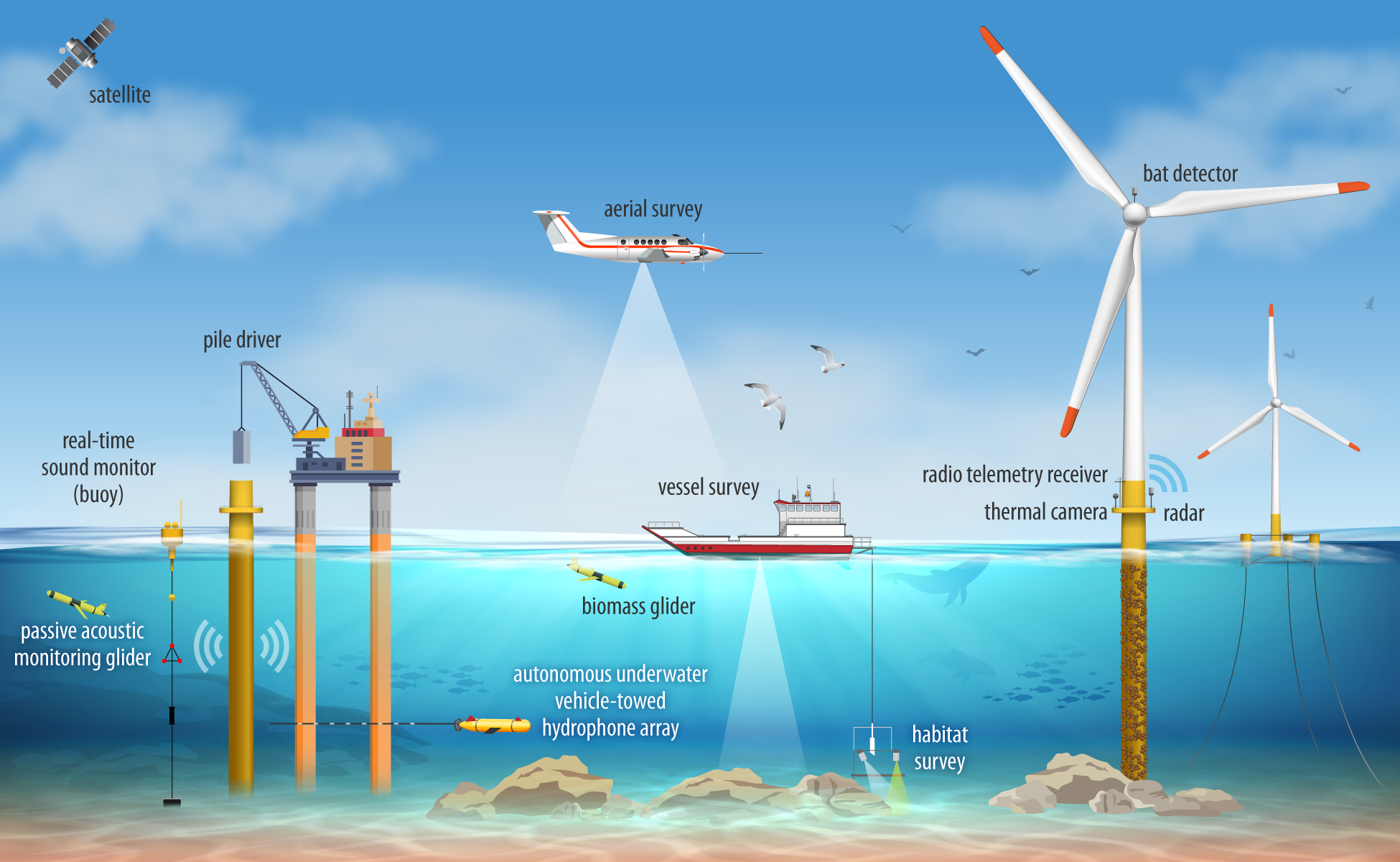
Fact: While construction can cause temporary disturbances (noise from pile driving, vessel traffic), operators employ rigorous mitigation strategies to minimize impact. These include “soft-start” pile driving, using acoustic deterrents, and adhering to specific seasonal restrictions to protect breeding or migration periods for marine mammals like whales.
For birds, turbines are sited away from major migration corridors, and studies suggest impacts are generally lower than those from land-based turbines due to fewer obstacles and different flight patterns. Some research even indicates a ‘reef effect’, where turbine foundations attract marine life, creating new habitats and fishing grounds.
Extensive pre-construction environmental impact assessments and ongoing monitoring are standard practice to ensure responsible development. While no human activity is entirely without impact, the long-term, widespread harm from climate change (which offshore wind helps mitigate) far outweighs the localized, manageable impacts of offshore wind development.
Myth 2: They’re Too Expensive and Unreliable
The initial investment in offshore wind can be substantial, leading to this common misconception.
Fact: The cost of offshore wind energy has fallen dramatically over the past decade, making it increasingly competitive with traditional power sources. Innovations in turbine design, installation techniques, and supply chain efficiencies continue to drive prices down. In fact, offshore wind is now cheaper than new fossil fuel power plants in many regions.
Regarding reliability, offshore wind boasts a high capacity factor. Because winds are stronger and more consistent offshore, these turbines operate closer to their maximum output for more hours of the day than their land-based counterparts. While wind naturally fluctuates, advanced forecasting, grid integration technologies, and energy storage solutions are continuously improving overall grid stability and reliability.
Myth 3: Offshore Wind Ruins Coastal Views and Property Values
The idea of a ‘wind farm’ marring an pristine ocean vista is a common point of contention for coastal communities.
Fact: Most offshore wind farms are strategically located at least 10-15 miles or more offshore, placing them beyond the visible horizon or making them appear as tiny specks on clear days. Often, the curvature of the Earth renders them invisible from shore. For projects closer to shore, visual simulations are extensively used to assess impact, and developers often work with communities on siting.
Multiple studies, particularly from European nations with established offshore wind industries, have found minimal to no impact on coastal property values or tourism. In some cases, the novelty of seeing turbines far out at sea has even become an attraction, with boat tours offered to view the installations.
Myth 4: They Interfere with Fishing and Shipping
Concerns about access for fishing fleets and safe passage for commercial shipping are valid, given the importance of these industries.
Fact: Responsible offshore wind development involves extensive collaboration and dialogue with the fishing and maritime industries from the earliest planning stages. Siting decisions consider existing shipping lanes and important fishing grounds, and projects often include designated transit corridors.
While some areas may be temporarily restricted during construction, many wind farms allow fishing activities to resume once operational, sometimes even finding that the turbine foundations act as artificial reefs, attracting fish and enhancing local biodiversity, potentially leading to new fishing opportunities in and around the farms.
Myth 5: Offshore Wind Turbines Cannot Be Recycled
The idea of these massive structures becoming landfill fodder is concerning for an industry touting sustainability.
Fact: The vast majority of a wind turbine, typically 85-90% by mass, is recyclable. This includes steel for the tower and foundation, copper for wiring, and various components in the nacelle. Recycling technologies for these materials are well-established.
The main challenge historically has been the fiberglass composite blades. However, significant advancements are being made. New recycling processes can recover glass fibers and resins for reuse in other industries (e.g., cement manufacturing, construction materials), and innovative blade designs are exploring thermoplastic resins that are inherently easier to recycle. Many developers and manufacturers are committed to zero-waste targets for turbine components, driving circular economy initiatives.
The Engineering Marvel: How Offshore Turbines Work
Understanding the basic mechanics helps appreciate the ingenuity behind these machines.
- Capturing the Wind: The massive blades, precisely engineered for aerodynamics, rotate when wind passes over them, much like an airplane wing creates lift. The blades are designed to pitch (angle) and yaw (turn) to optimize wind capture and prevent damage in extreme conditions.
- Generating Power: The rotating blades turn a shaft connected to a gearbox (though some modern turbines are direct-drive, eliminating the gearbox). The gearbox increases the rotational speed, which then drives a generator. This generator, like a massive dynamo, converts mechanical energy into electricity.
- Getting Power to Shore: The electricity generated at the turbine flows through internal cables down the tower, into subsea cables, and then to an offshore substation. This substation collects power from multiple turbines, steps up the voltage, and transmits it via larger export cables to an onshore substation, where it’s connected to the national grid.
- Maintenance in a Harsh Environment: Maintaining these turbines is a complex logistical challenge, requiring specialized vessels, highly trained technicians, and remote monitoring systems. Components are designed for extreme durability, and preventative maintenance is key to ensuring high uptime and efficiency.
The Future is Floating: Next-Generation Offshore Wind
While fixed-bottom turbines dominate today, the next frontier for offshore wind lies in deeper waters, unlocked by floating technology.
Why Floating Turbines?
Over 80% of the world’s offshore wind resources are in waters too deep for fixed-bottom foundations. Floating platforms allow turbines to be deployed far from shore, in depths of hundreds or even thousands of feet. This opens up vast new energy potential, particularly in regions with deep coastlines like the U.S. West Coast and parts of the Mediterranean.
Different Designs
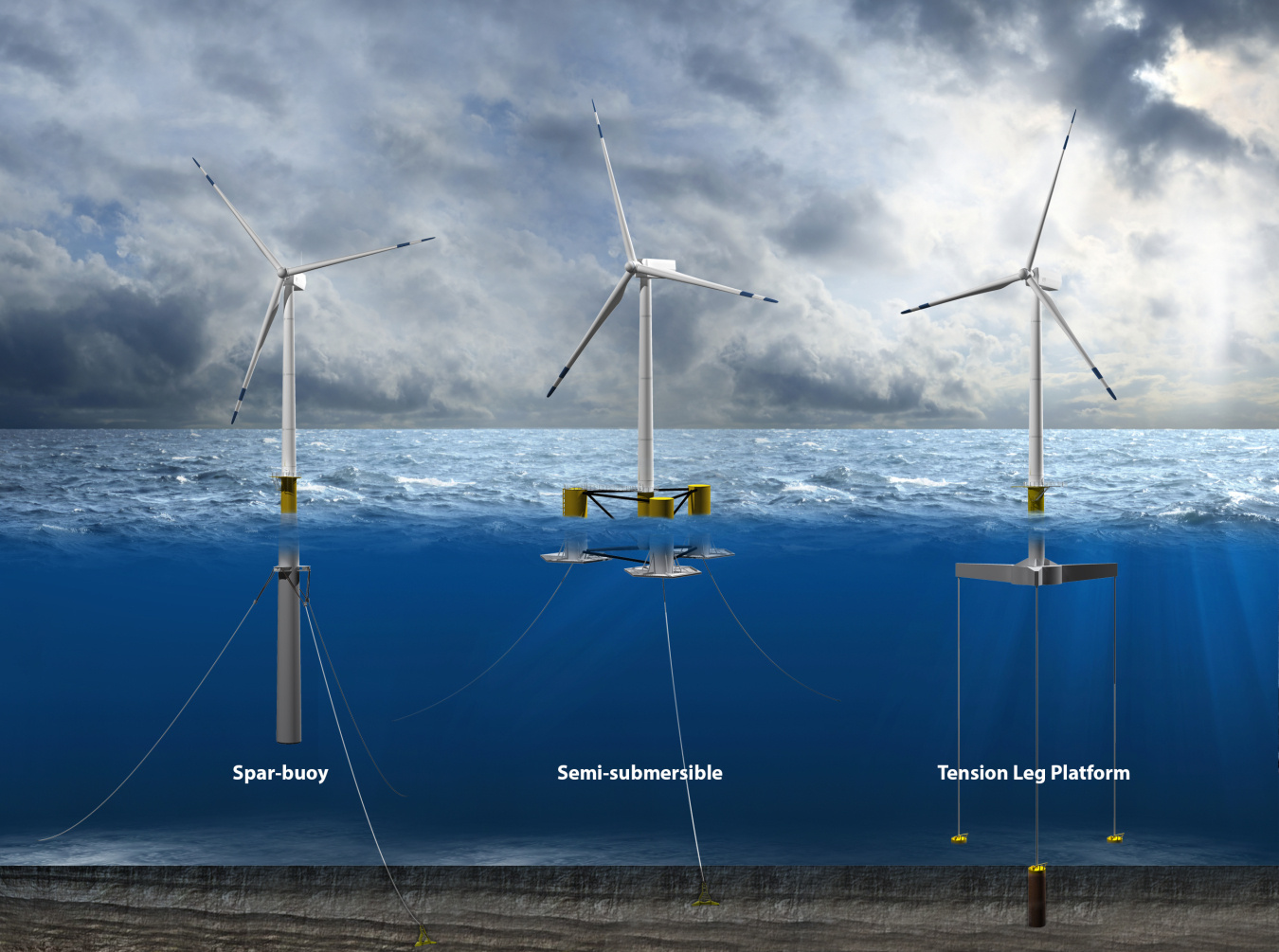
Several floating designs are being pioneered, each with unique stability mechanisms:
- Spar Buoy: A long, slender cylinder filled with ballast, extending deep into the water.
- Semi-Submersible: A platform with multiple columns that are partially submerged, often using active ballast systems for stability.
- Tension-Leg Platform (TLP): A buoyant platform moored by vertical tendons kept in tension, providing high stability.
These innovations promise to democratize offshore wind, allowing more nations to tap into this powerful resource and further scale up clean energy production.
The Road Ahead: Challenges and Opportunities
While the facts overwhelmingly support the benefits of offshore wind, its widespread adoption isn’t without hurdles. Addressing these challenges presents significant opportunities for growth and innovation:
- Supply Chain Development & Workforce Training: Building a robust domestic supply chain and training a skilled workforce are crucial for scaling up projects efficiently and creating local economic benefits.
- Permitting & Environmental Reviews: Streamlining complex permitting processes while maintaining rigorous environmental protection standards is essential to accelerate deployment.
- Grid Modernization: Integrating large amounts of offshore wind power requires upgrading and modernizing existing electricity grids to handle intermittent renewable sources effectively.
- Research & Development: Continued investment in R&D is vital for further cost reduction, improved efficiency, enhanced environmental mitigation, and the advancement of technologies like floating wind.
Conclusion
Wind turbines in the ocean are far more than just impressive structures; they represent a tangible, impactful pathway to a sustainable future. The facts speak for themselves: abundant, clean energy, significant economic benefits, and manageable environmental impacts, all underpinned by continuous technological innovation.
As we move forward, an informed public discourse, grounded in evidence rather than speculation, will be crucial. Offshore wind is not a silver bullet, but it is an indispensable part of a diversified clean energy portfolio. By understanding the realities of this powerful technology, we can collectively accelerate its responsible development and harness the immense potential of our oceans to power a brighter, cleaner tomorrow.
Frequently Asked Questions
How far out to sea are offshore wind turbines typically located?
Most utility-scale offshore wind farms are typically located at least 10-15 miles (16-24 kilometers) or more from the coastline to maximize wind resources, minimize visual impact from shore, and avoid heavily trafficked shipping lanes or sensitive ecological areas. Some are much further out, especially with floating technology.
Do offshore wind turbines really kill whales or birds?
Extensive research indicates that while some impacts are possible, the overall risk to marine wildlife, including whales and birds, is generally low when projects are properly sited and mitigation measures are employed. Collision risks for birds are lower than land-based turbines, and measures like acoustic deterrents during construction help protect marine mammals. The larger threat to these species comes from climate change, which offshore wind helps combat.
How long do offshore wind turbines last?
Modern offshore wind turbines are designed for a operational lifespan of approximately 25 to 30 years. Regular maintenance, technological advancements, and component upgrades can sometimes extend this period. After their operational life, they are either decommissioned or repowered with newer technology.
What happens to offshore wind turbines at the end of their lifespan?
At the end of their operational life, offshore wind turbines are typically either decommissioned and removed, or the site undergoes ‘repowering,’ where older turbines are replaced with newer, more efficient models. Most components (steel, copper, electronics) are recyclable, and significant progress is being made in recycling composite blades to minimize waste.
Are offshore wind turbines noisy?
No. While there can be noise during the construction phase (e.g., pile driving), modern offshore wind turbines are designed to be extremely quiet during operation. Any operational noise is usually minimal and quickly dissipates over the ocean, becoming virtually inaudible at a distance of a few miles and certainly imperceptible from the shore.
How much electricity can a single offshore wind turbine generate?
The generation capacity of a single offshore wind turbine is substantial and growing. Modern turbines typically range from 8 to 15 megawatts (MW). A single 12-15 MW turbine can generate enough electricity in a year to power 10,000 to 15,000 average homes, depending on wind conditions and home energy consumption.
What is the main difference between fixed-bottom and floating offshore wind turbines?
The main difference lies in their foundation. Fixed-bottom turbines are directly anchored to the seabed, suitable for shallower waters (up to ~200 feet deep). Floating turbines, conversely, are mounted on buoyant platforms moored to the seabed, allowing them to be deployed in much deeper waters (hundreds or even thousands of feet deep) where fixed structures are not feasible.