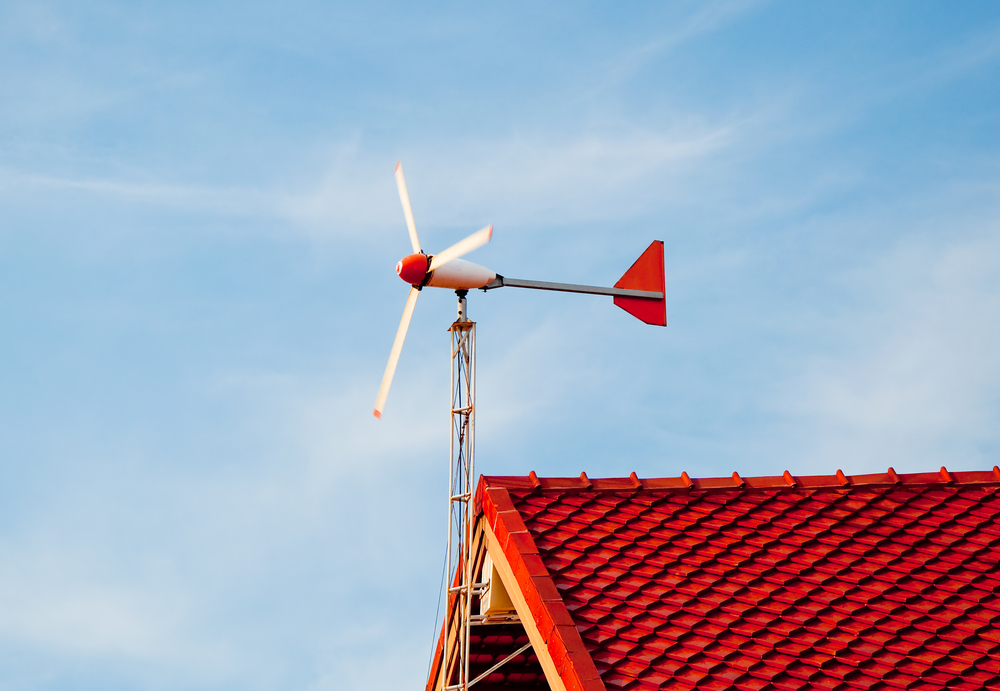
Windmill Kits For Your Home: Your Definitive Guide to Decorative Charm & Sustainable Power
Picture this: a classic windmill gracefully turning in your backyard, a symbol of rustic charm or perhaps a silent guardian of your energy independence. You’re here because you’re intrigued by the idea of bringing a windmill to your home, and that’s fantastic! But before you dive in, let’s get one thing straight: not all windmill kits are created equal.
Table of Contents
- Windmill Kits For Your Home: Your Definitive Guide to Decorative Charm & Sustainable Power
- Decorative Windmill Kits: Adding Rustic Charm to Your Landscape
- What Are Decorative Windmill Kits?
- Why Choose a Decorative Windmill?
- Popular Decorative Kit Options
- Functional Windmill Kits: Harnessing Wind for Practical Applications
- Wind Turbines for Electricity Generation
- Windmills for Pond Aeration (High-Capacity)
- Choosing the Right Windmill Kit for Your Home: A Decision Framework
- Define Your Goal: Aesthetic or Practical?
- Assess Your Site: Wind, Space, and Regulations
- Budgeting for Your Windmill Kit
- DIY vs. Professional Installation
- What to Expect When Buying a Windmill Kit
- Components of a Standard Kit
- Understanding Kit Specifications
- Reading Between the Lines: What’s NOT Always Included
- Installation and Maintenance Tips for Home Windmills
- Site Preparation and Foundation
- Assembly and Erection (Safety First!)
- Ongoing Maintenance Checklist
- The Sustainable Charm: Bringing Wind Power (or Beauty) Home
The term “windmill kit” can mean vastly different things, from a charming garden accent to a serious piece of renewable energy infrastructure. This guide is designed to cut through the confusion, helping you understand the options, weigh the pros and cons, and choose the perfect windmill kit for your home’s unique needs and aspirations.
Decorative Windmill Kits: Adding Rustic Charm to Your Landscape
For many, the appeal of a windmill is purely aesthetic. They evoke a sense of history, peace, and countryside beauty. If you’re looking to create a stunning focal point in your yard, add a touch of vintage character, or simply enjoy the sight of spinning blades, a decorative windmill kit is likely what you need.
What Are Decorative Windmill Kits?
These kits are designed to replicate the look of traditional farm windmills without the complex mechanics required for power generation. Their primary purpose is visual appeal. While some might include components for a very basic, low-impact pond aeration system, their core function remains decorative.
- Purpose: Primarily aesthetic, yard art, garden feature.
- Components: Typically include the windmill head (blades and hub), tail, and often the hardware for the tower. The tower itself might be included, or you might be expected to source the lumber or metal tubing separately (a common way to save on shipping for larger kits).
- Materials: Often made from durable metals like galvanized steel or aluminum, sometimes with weathered or rustic finishes. Wood kits are also popular for a classic look.
Why Choose a Decorative Windmill?
The reasons homeowners opt for decorative windmills are clear:
- Aesthetic Appeal: They create a captivating focal point and enhance curb appeal.
- Rustic Charm: Perfect for country-style homes, farmhouses, or anyone wanting a nostalgic touch.
- Variety of Sizes: From small, garden-sized models (3-6 feet) to towering landscape features (10-20+ feet).
- Relatively Easy DIY: Many kits are designed for straightforward assembly with basic tools, making them an accessible weekend project.
- Lower Cost: Generally much more affordable than functional wind turbines.
Popular Decorative Kit Options
- Head & Tail Kits: These are popular for larger decorative windmills. You get the iconic spinning head and directional tail, but you’re responsible for constructing the tower using your own lumber or metal posts. This saves on cost and shipping, allowing for customization.
- Full Kits with Tower: Smaller decorative windmills often come as a complete package, including a pre-fabricated tower (usually metal). These are simpler to assemble.
- Pond Aerator Attachments: Some decorative windmills are designed to house a small, simple air compressor to provide gentle aeration for a pond, blending form and light function.
To give you a clearer picture, here’s a comparison of typical decorative windmill kits:

| Feature | Small Garden Windmill (3-6 ft) | Medium Yard Windmill (8-12 ft) | Large Landscape Windmill (15-20+ ft) |
|---|---|---|---|
| Primary Purpose | Accent, planter holder | Focal point, pond aeration (light) | Major landscape feature, rustic statement |
| Typical Materials | Metal (galvanized), plastic, wood | Galvanized steel, wood | Heavy-gauge galvanized steel, treated wood |
| Kit Contents | Full kit (head, tail, tower) | Often head & tail kit (tower lumber separate) | Head & tail kit (tower lumber/materials separate) |
| Estimated Cost Range (Kit Only) | $100 – $400 | $300 – $1,500 | $800 – $3,000+ |
| Installation Complexity | Low (DIY) | Medium (DIY with basic tools) | Medium to High (requires careful planning, potentially concrete foundation, multiple people) |
Functional Windmill Kits: Harnessing Wind for Practical Applications
If your vision for a home windmill goes beyond aesthetics, then you’re looking for a functional windmill kit, more commonly known as a wind turbine. These powerful machines are engineered to convert wind energy into usable power, whether it’s electricity for your home or aeration for a pond.
Wind Turbines for Electricity Generation
This is where the “windmill” truly becomes a “wind turbine.” These kits are sophisticated systems designed to capture kinetic energy from the wind and transform it into electricity. They are a serious investment for homeowners looking to reduce their carbon footprint, lower electricity bills, or achieve greater energy independence.
- Purpose: Generate electricity for home consumption, battery charging (off-grid), or feeding back into the grid (grid-tie).
- Components: A wind turbine kit for electricity typically includes the blades, a generator (the heart of the system), a charge controller (to regulate power to batteries), and potentially an inverter (to convert DC power to AC power for home use). The tower is almost always sold separately or requires custom fabrication based on wind conditions and local regulations.
- Key Considerations:
- Wind Speed: The most critical factor. Your location needs consistent, strong wind to make a turbine viable.
- Output (Watts): Turbines are rated in watts (e.g., 400W, 1500W, 2000W). This indicates their maximum power generation potential.
- Grid-Tie vs. Off-Grid: Do you want to supplement your existing grid power or live entirely off-grid? This dictates additional components like inverters and battery banks.
- Noise: Modern turbines are quieter, but noise can still be a factor, especially for neighbors.
- Permitting: Functional turbines often require significant permits due to height, noise, and electrical connections.
- Benefits: Reduced electricity bills, energy independence, sustainable living, potential tax credits or incentives.
- Challenges: High upfront cost, intermittent power generation (no wind, no power), significant installation complexity, potential for noise and visual impact, strict local regulations.
Windmills for Pond Aeration (High-Capacity)
Beyond decorative aerators, there are highly efficient windmills specifically designed to provide robust aeration for larger ponds and lakes. These are not about aesthetics first, but about water quality and ecosystem health.
- Purpose: Oxygenate water, prevent algae growth, improve fish health, reduce mosquito breeding.
- Components: A dedicated wind-powered aerator typically includes a large windmill head, a heavy-duty air compressor, weighted airline tubing, and air diffusers (air stones) for the pond bottom. The tower is usually part of the kit or a recommended accessory.
- Benefits: Chemical-free pond management, improved water clarity, healthier aquatic life, reduced mucky odors.
- Considerations:
- Pond Size: Kits are rated for specific pond sizes (e.g., up to 1 acre, 2 acres).
- Distance from Pond: The compressor can be located some distance away, but careful planning for airline runs is needed.
- Maintenance: Regular checks on the compressor and airlines are necessary.
- Wind Resource: While not as critical as for electricity generation, consistent wind improves aeration efficiency.
Here’s a snapshot comparing different functional windmill kits:
| Feature | Small Wind Turbine (e.g., 400W-1500W) | Large Wind Turbine (e.g., 2000W-5000W+) | Windmill Pond Aerator |
|---|---|---|---|
| Primary Use | Supplemental power, RV/off-grid charging | Main home power, significant grid offset | Pond/lake aeration and water quality |
| Avg. Output/Capacity | ~50-200 kWh/month (wind dependent) | ~200-800+ kWh/month (wind dependent) | Aerates ponds up to 1-3+ acres |
| Typical Components | Blades, generator, controller, (tower separate) | Blades, generator, controller, inverter (tower separate) | Windmill head, compressor, air line, diffusers (tower often included) |
| Estimated Cost Range (Kit Only) | $500 – $3,000 | $2,000 – $10,000+ | $1,000 – $4,000+ |
| Installation Complexity | High (electrical, tower erection) | Very High (professional installation often required, heavy equipment) | Medium (tower erection, running air lines) |
Choosing the Right Windmill Kit for Your Home: A Decision Framework
Now that you understand the fundamental differences, how do you pick the right kit? It comes down to a few critical questions.
Define Your Goal: Aesthetic or Practical?
This is the absolute first step. Be honest with yourself. Are you buying a windmill because you love the look, or because you genuinely want to generate power or aerate a pond?
- Pure Aesthetics: Go for a decorative kit. Focus on size, material, finish, and ease of assembly.
- Power Generation: You need a wind turbine. Be prepared for a much larger investment, more complex installation, and regulatory hurdles.
- Pond Aeration: A specialized pond aeration windmill is your best bet.
Assess Your Site: Wind, Space, and Regulations
Before you get too excited, you need to realistically evaluate your property.

- Wind Resource (Crucial for Functional Turbines): Do you live in an area with consistent, strong winds?
A quick test: do the trees in your yard consistently sway? Are your clothes on the line dry quickly?
Tall buildings, hills, or dense tree lines can block wind. Consult wind maps (e.g., from the Department of Energy) for your area. For small residential turbines, a minimum average wind speed of 10-12 mph is often recommended for decent output.
- Available Space: Windmills, especially functional ones, need significant clear space. Consider the footprint of the tower and the swing radius of the blades. Tall towers require guy wires, which demand even more space.
- Local Zoning Laws & HOA Restrictions: This is perhaps the biggest hurdle for functional wind turbines. Many municipalities have height restrictions, setback requirements, noise ordinances, and aesthetic guidelines. Your Homeowners Association (HOA) might also have rules. Always check these *before* purchasing. Decorative windmills typically face fewer restrictions but still check for height limits.
- Foundation: Larger windmills, especially functional ones, require a substantial concrete foundation to withstand wind loads.
Budgeting for Your Windmill Kit
The sticker price of the kit is only part of the equation.
- Kit Cost: This is what you pay for the components themselves.
- Shipping: Large kits can be expensive to ship due to size and weight.
- Foundation Materials: Concrete, rebar, anchor bolts.
- Tower Materials: If not included in the kit, you’ll need to purchase lumber or steel.
- Additional Components (for functional): Batteries, inverters, wiring, electrical panels, grounding equipment.
- Installation Labor: If you hire professionals, this will be a significant cost.
- Permits & Fees: Don’t forget these administrative costs for functional systems.
- Long-Term Savings (for functional): Factor in how much you could save on electricity bills over the turbine’s lifespan to calculate your return on investment (ROI).
DIY vs. Professional Installation
- Decorative Windmills: Most smaller decorative kits are well within the capabilities of a handy homeowner. Larger ones might require a few friends and some careful planning for safely raising the tower.
- Functional Windmills (Turbines): Unless you have significant experience with electrical systems, heavy machinery, and tower erection, professional installation is highly recommended for wind turbines. Safety is paramount when working with height and high voltage. Many manufacturers also require professional installation to maintain warranties.
What to Expect When Buying a Windmill Kit
Understanding what’s typically included and what might be left out will help you manage expectations and avoid surprises.
Components of a Standard Kit
While specifics vary, most kits will contain:
- Head Assembly: This includes the blades (or fan), hub, and usually the internal mechanism (for decorative, it’s a bearing; for functional, it’s the generator).
- Tail Vane: The piece that helps the windmill face into the wind.
- Hardware: Bolts, nuts, washers, and other fasteners needed for assembly.
- Instructions: Detailed assembly guides are standard.
Understanding Kit Specifications
- Height: The total height of the assembled windmill.
- Head Diameter: The diameter of the fan or blade assembly.
- Material: Galvanized steel is common for durability and weather resistance.
- Power Output (for functional): Rated in Watts (W) or Kilowatts (kW). This is the maximum power it can produce in optimal wind conditions. Look for charts showing output at different wind speeds.
- Voltage (for functional): Often 12V, 24V, 48V for battery charging systems.
Reading Between the Lines: What’s NOT Always Included
This is crucial for budgeting and planning! Many kits save on shipping by excluding bulky or heavy items you can source locally.
- Tower Lumber/Pipes: For many decorative and functional kits (especially larger ones), the actual wood or steel for the tower legs is NOT included. You’ll buy this from a local lumberyard or metal supplier.
- Foundation Materials: Concrete mix, rebar, and anchor bolts are rarely part of the kit.
- Electrical Components (for power generation): Unless it’s a very specific all-in-one system, you’ll often need to purchase batteries, charge controllers, inverters, and wiring separately.
- Guy Wires and Anchors: For tall towers, these critical safety components might be extra.
- Assembly Tools: Wrenches, levels, digging tools, and safety gear are on you.
- Heavy Lifting Equipment: For large towers, you might need to rent a crane or a lift, or at least recruit several strong helpers.
Installation and Maintenance Tips for Home Windmills
Once you’ve chosen your kit, careful planning and execution during installation are key to a safe and long-lasting windmill.
Site Preparation and Foundation
- Clear the Area: Ensure the chosen site is clear of obstructions, both above and below ground (utility lines!).
- Level Ground: A level surface is essential for a stable tower.
- Proper Foundation: Follow the manufacturer’s recommendations meticulously for the foundation. This usually involves digging footings and pouring concrete. For taller, heavier functional turbines, this foundation can be quite substantial and may require professional engineering. A weak foundation is a recipe for disaster.
- Electrical Trenching (for functional): Plan and dig trenches for electrical cables from the turbine to your home or battery bank.
Assembly and Erection (Safety First!)
- Read Instructions: This might sound obvious, but fully understand every step before you begin.
- Assemble on the Ground: Wherever possible, assemble the head, tail, and tower sections on the ground to minimize working at heights.
- Lifting Safely: For anything larger than a small garden windmill, you’ll need help. Use proper lifting techniques, ropes, pulleys, or even mechanical lifts. Never try to lift a heavy tower section alone.
- Secure Fasteners: Ensure all bolts and nuts are tightened to the specified torque. Use lock washers or thread locker where recommended.
- Electrical Connections (for functional): If you’re not a qualified electrician, hire one for all wiring. Improper connections are a fire and safety hazard.
- Grounding: All functional wind turbines must be properly grounded to protect against lightning strikes and electrical faults.
Ongoing Maintenance Checklist
Regular maintenance ensures your windmill operates efficiently and safely for years.

- Visual Inspections: Periodically check for loose bolts, damaged blades, cracks in the tower, or rust. Do this more frequently after storms.
- Lubrication: For decorative windmills, the head bearing might need occasional lubrication. Functional turbines often have sealed bearings, but check the manual.
- Blade Cleaning (for functional): Dust, dirt, and insect buildup can reduce efficiency. Clean blades carefully according to manufacturer guidelines.
- Battery Checks (for functional): If you have a battery bank, regularly check water levels (for flooded lead-acid batteries) and terminal connections.
- Guy Wire Tension (if applicable): Ensure guy wires are properly tensioned and anchors are secure.
- Pond Aerator Checks: Inspect air lines for blockages or leaks, and clean air diffusers as needed.
The Sustainable Charm: Bringing Wind Power (or Beauty) Home
Whether you’re drawn to the picturesque elegance of a decorative yard windmill or the silent, powerful efficiency of a home wind turbine, choosing the right kit is an exciting journey. By understanding the distinct purposes, realistic costs, installation demands, and local regulations, you’re now equipped to make an informed decision.
Embrace the wind, in whatever form suits your home best. You’ll not only add a unique feature to your property but also potentially step closer to a more sustainable, self-sufficient lifestyle. Happy spinning!
Frequently Asked Questions
What’s the main difference between a decorative windmill kit and a functional one?
A decorative windmill kit is primarily for aesthetic appeal, adding rustic charm to your landscape, and typically does not generate power. A functional windmill kit, or wind turbine, is designed to convert wind energy into electricity for your home or to power a pond aeration system.
Are windmill kits hard to install for a homeowner?
The difficulty varies significantly. Small decorative kits are generally easy DIY projects. Larger decorative kits and pond aeration windmills are moderate, often requiring multiple people and a sturdy foundation. Functional wind turbine kits are complex and often require professional installation due to electrical work, tower height, and safety considerations.
What parts are usually NOT included in a windmill kit?
For many kits, especially larger decorative and functional ones, the lumber or metal for the tower is not included and must be sourced locally. Foundation materials (concrete, rebar), electrical components (batteries, inverters, wiring for turbines), guy wires, and heavy lifting equipment are also commonly excluded.
Do I need permits to install a windmill on my property?
For functional wind turbines, yes, permits are almost always required due to height, noise, and electrical connections. You’ll need to check local zoning laws, building codes, and HOA restrictions. Decorative windmills might have fewer restrictions but could still be subject to height limits or aesthetic guidelines, so it’s always best to check with your local municipality.
How much electricity can a home wind turbine generate?
The amount of electricity generated by a home wind turbine depends heavily on its wattage rating, local wind speeds, and how consistently the wind blows. A typical residential turbine (e.g., 1500W-5000W) could generate anywhere from 50 to over 800 kilowatt-hours (kWh) per month, but this fluctuates significantly based on daily wind conditions.
Can a decorative windmill really aerate my pond?
Some decorative windmill kits come with a very basic air compressor attachment capable of light aeration for small ponds. However, if you have a significant pond aeration need (e.g., for large ponds, preventing algae, or supporting fish health), you should opt for a dedicated, high-capacity wind-powered pond aerator kit designed for that specific purpose, which is much more efficient and robust.