Windmill to Power Your Home: The Ultimate Guide to Residential Wind Energy
Dreaming of ditching your electric bill and generating your own clean power? The idea of a windmill gracefully spinning, quietly fueling your home, is incredibly appealing. But let’s be real: can a windmill actually power your entire home? Is it practical? Is it affordable? Or is it just another expensive pipe dream?
Table of Contents
- Windmill to Power Your Home: The Ultimate Guide to Residential Wind Energy
- Can a Windmill Power Your Entire Home? (The Short Answer)
- Is Residential Wind Power Right for YOU? A Self-Assessment Checklist
- Understanding Your Home’s Energy Needs: How Much Power Do You Really Use?
- Small Wind Turbines 101: How They Work & Key Components
- Sizing Your Home Wind Turbine: The kW You Need
- Types of Small Wind Turbines for Home Use
- Horizontal Axis Wind Turbines (HAWTs)
- Vertical Axis Wind Turbines (VAWTs)
- The Cost of Going Wind: Installation, Maintenance, and ROI
- Initial Upfront Costs
- Ongoing Costs & Maintenance
- Incentives & Rebates
- Payback Period & Return on Investment (ROI)
- Wind Power vs. Solar Power: A Head-to-Head Comparison
- Navigating Zoning Laws and Permitting for Your Wind Turbine
- Advantages and Disadvantages of Residential Wind Power
- Advantages (Pros):
- Disadvantages (Cons):
- What’s Next? Steps to Take If You’re Serious About Home Wind Energy
- Conclusion: Is a Windmill in Your Future?
- Windmill to Power Your Home: The Ultimate Guide to Residential Wind Energy
- Can a Windmill Power Your Entire Home? (The Short Answer)
- Is Residential Wind Power Right for YOU? A Self-Assessment Checklist
- Understanding Your Home’s Energy Needs: How Much Power Do You Really Use?
- Small Wind Turbines 101: How They Work & Key Components
- Sizing Your Home Wind Turbine: The kW You Need
- Types of Small Wind Turbines for Home Use
- Horizontal Axis Wind Turbines (HAWTs)
- Vertical Axis Wind Turbines (VAWTs)
- The Cost of Going Wind: Installation, Maintenance, and ROI
- Initial Upfront Costs
- Ongoing Costs & Maintenance
- Incentives & Rebates
- Payback Period & Return on Investment (ROI)
- Wind Power vs. Solar Power: A Head-to-Head Comparison
- Navigating Zoning Laws and Permitting for Your Wind Turbine
- Advantages and Disadvantages of Residential Wind Power
- Advantages (Pros):
- Disadvantages (Cons):
- What’s Next? Steps to Take If You’re Serious About Home Wind Energy
- Conclusion: Is a Windmill in Your Future?
As someone who’s delved deep into residential renewable energy, I’m here to give you the no-nonsense truth. While the allure is strong, the reality of powering your home with a small wind turbine involves a careful balance of wind resources, upfront costs, and local regulations. This guide will walk you through everything you need to know, helping you determine if a windmill is truly in your future.
Can a Windmill Power Your Entire Home? (The Short Answer)
Yes, it absolutely can. But there’s a significant "if."
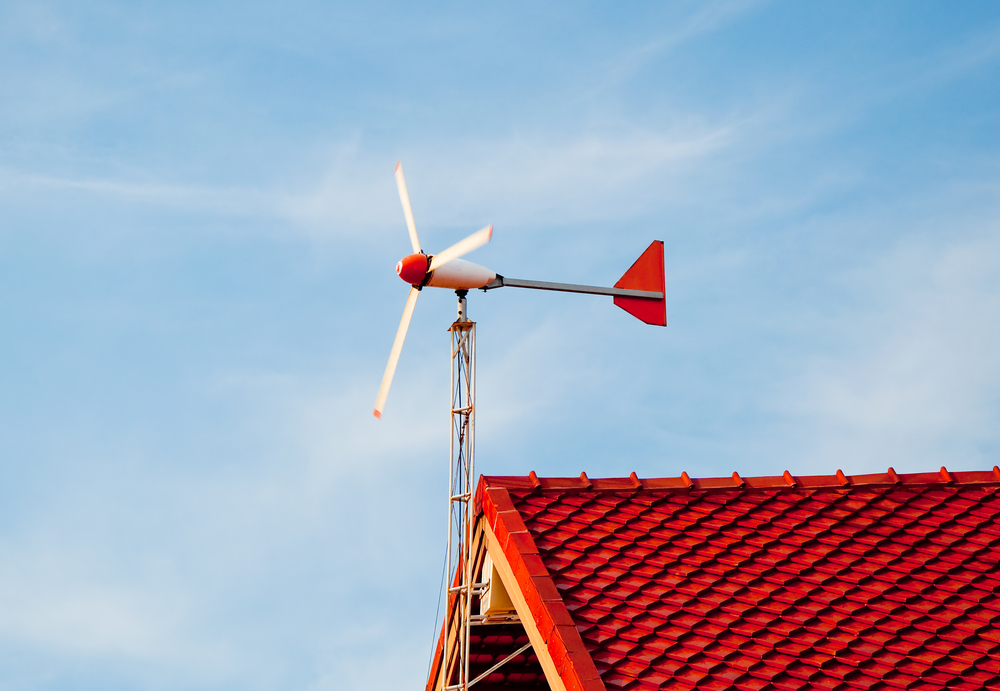
The ability of a residential wind turbine to fully power your home hinges on three critical factors: your home’s energy consumption, the average wind speed at your location, and the size (kilowatt output) of the turbine you install. For many homes, a small wind turbine serves as a supplemental power source, significantly reducing utility bills and reliance on the grid. However, in locations with excellent, consistent wind resources and with a sufficiently sized system, complete energy independence is entirely achievable.
The challenge often isn’t the technology itself, but aligning the technology with your specific needs, site conditions, and budget. It’s a journey, not a flip of a switch, and it starts with understanding if your home is a good candidate.
Is Residential Wind Power Right for YOU? A Self-Assessment Checklist
Before you get swept away by the idea, let’s run through a quick checklist. This will help you quickly determine if residential wind power is even a viable option for your property.
Key Factors for Residential Wind Suitability:
- High Average Wind Speed: This is the single most important factor. You need an average annual wind speed of at least 10-12 MPH (4.5-5.5 m/s) to make a residential wind turbine economically viable. Lower than this, and your turbine simply won’t generate enough electricity to justify the cost.
- Sufficient Clear Space: Turbines need to be installed on tall towers (often 60-120 feet or more) to catch unobstructed wind. Do you have enough land away from tall trees, buildings, and other obstructions?
- No Significant Nearby Obstructions: Buildings, hills, and trees create turbulence and reduce wind speed. Your turbine needs clear air flow for optimal performance.
- Local Zoning & Permitting: Many localities have strict rules regarding turbine height, setbacks from property lines, noise, and visual impact. Is your area amenable to wind turbines? This is a major hurdle for many homeowners.
- High Energy Consumption & Bills: If your electricity bills are already low, the payback period for a wind turbine might be excessively long. Wind power shines when offsetting substantial energy use.
- Budget for Upfront Investment: Small wind turbines are a significant investment, often ranging from $10,000 to $70,000+ depending on size and installation complexity.
- Long-Term Perspective: Wind turbines are a long-term investment, with payback periods typically ranging from 8-20 years. Are you prepared for this commitment?
If you checked ‘yes’ to most of these, especially regarding wind speed and space, you’re off to a good start!
Understanding Your Home’s Energy Needs: How Much Power Do You Really Use?
You can’t size a wind turbine without knowing your energy footprint. Most homes in the USA consume between 800 and 1,200 kilowatt-hours (kWh) per month, but yours could be higher or lower.
How to find your energy data:
- Check Your Utility Bills: Your monthly electricity bill will show your exact kWh consumption. Look for an annual summary or average to get a clear picture of your usage fluctuations throughout the year.
- Conduct an Energy Audit: Many utility companies offer free or low-cost energy audits. This will identify areas where you can reduce consumption before investing in generation. The less energy you use, the smaller (and cheaper) your wind turbine needs to be.
- Consider Future Needs: Are you planning an electric vehicle, a hot tub, or other energy-intensive additions? Factor these into your future consumption estimates.
Understanding your average and peak daily/monthly kWh needs is crucial. A turbine sized for average use might not cover peak demand, especially if you’re aiming for full energy independence.
Small Wind Turbines 101: How They Work & Key Components
At its core, a wind turbine works on a simple principle: wind turns blades, which turn a shaft, which spins a generator to produce electricity. Think of it like a reverse fan.
Key Components of a Small Wind Electric System:
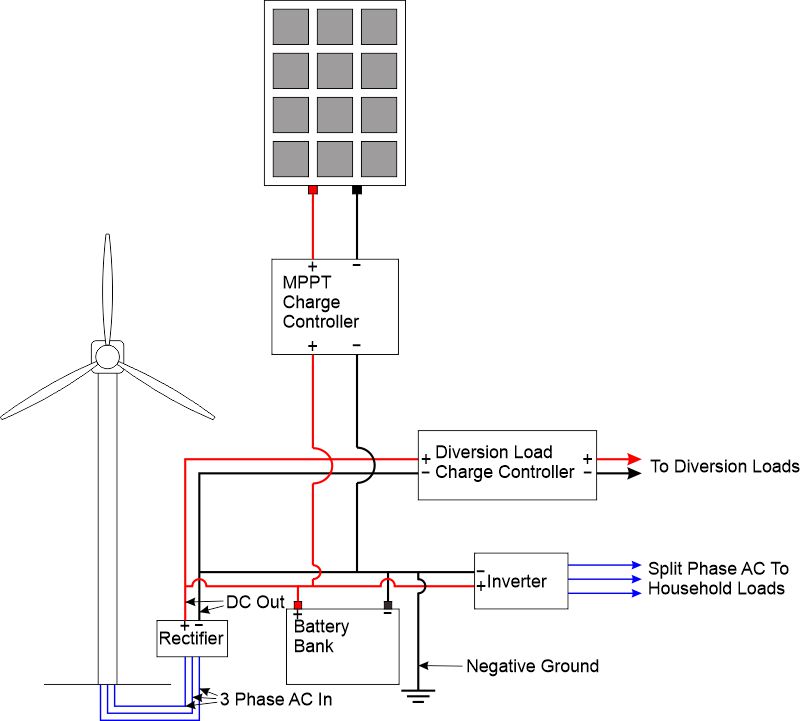
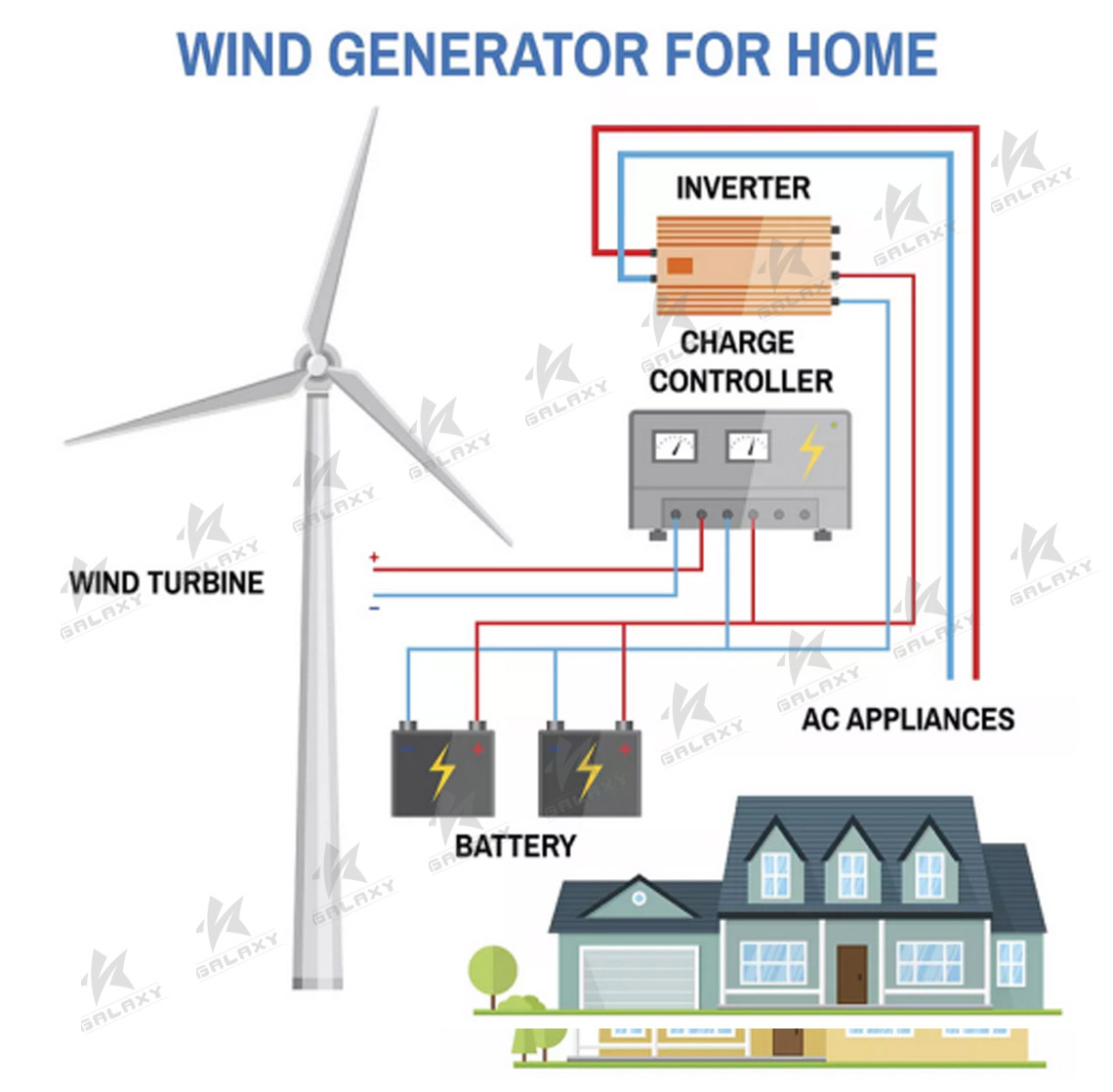
- Turbine (Blades, Nacelle, Generator): The blades capture wind energy, converting it into rotational force. The nacelle houses the gearbox (if present), the generator, and other control mechanisms. The generator produces AC (alternating current) electricity.
- Tower: Lifts the turbine to a height where it can access cleaner, stronger, and less turbulent wind. Towers can be self-supporting (freestanding) or guyed (supported by cables).
- Controller: Manages battery charging (for off-grid/hybrid systems), regulates voltage, and protects the turbine from over-speeding in high winds.
- Inverter: Converts the DC (direct current) electricity produced by the turbine (or stored in batteries) into AC electricity that your home appliances use, or that can be fed back into the grid.
- Battery Bank (Optional, for off-grid/hybrid systems): Stores excess energy for use when the wind isn’t blowing. Essential for off-grid living; optional but beneficial for grid-tied systems to enhance reliability.
- Interconnection Equipment (for grid-tied systems): Includes meters and safety disconnects to connect your system safely to the utility grid.
Sizing Your Home Wind Turbine: The kW You Need
Sizing is critical. Too small, and you won’t meet your needs; too large, and you’ve wasted money. The goal is to match your turbine’s annual energy output to your home’s annual energy consumption, factoring in your local wind resource.
A common guideline is that a 1.5-kW wind turbine can meet the needs of a home requiring 300 kWh per month in a location with a 14 MPH (6.26 m/s) annual average wind speed (as per the U.S. Department of Energy). However, this is just a baseline.
Here’s a simplified approach to estimate your needs:
- Calculate Daily kWh: Divide your monthly kWh by 30 (e.g., 900 kWh/month / 30 days = 30 kWh/day).
- Estimate Daily Peak Hours (full power): This is an oversimplification, as wind isn’t constant, but helps illustrate. Let’s say your wind turbine operates at its rated capacity for an average of 6-8 hours a day (a realistic, though often optimistic, figure in a good wind resource).
- Determine Required Turbine Size (kW): Divide daily kWh by peak hours (e.g., 30 kWh/day / 7 hours = ~4.3 kW). This means you’d need a turbine rated around 4.3 kW to meet that daily demand under ideal conditions.
Residential turbines typically range from 1 kW to 10 kW. A 5 kW turbine, for instance, in a good wind resource (12-15 MPH average), could generate between 8,000 to 16,000 kWh annually, which is enough to cover many homes’ electricity needs.
Important Note: This is a rough calculation. A professional site assessment, including a wind resource assessment, is absolutely essential for accurate sizing.
Types of Small Wind Turbines for Home Use
When you picture a windmill, you likely think of the classic propeller-style design. But there are actually two main types of small wind turbines suitable for residential use, each with its own characteristics.
Horizontal Axis Wind Turbines (HAWTs)
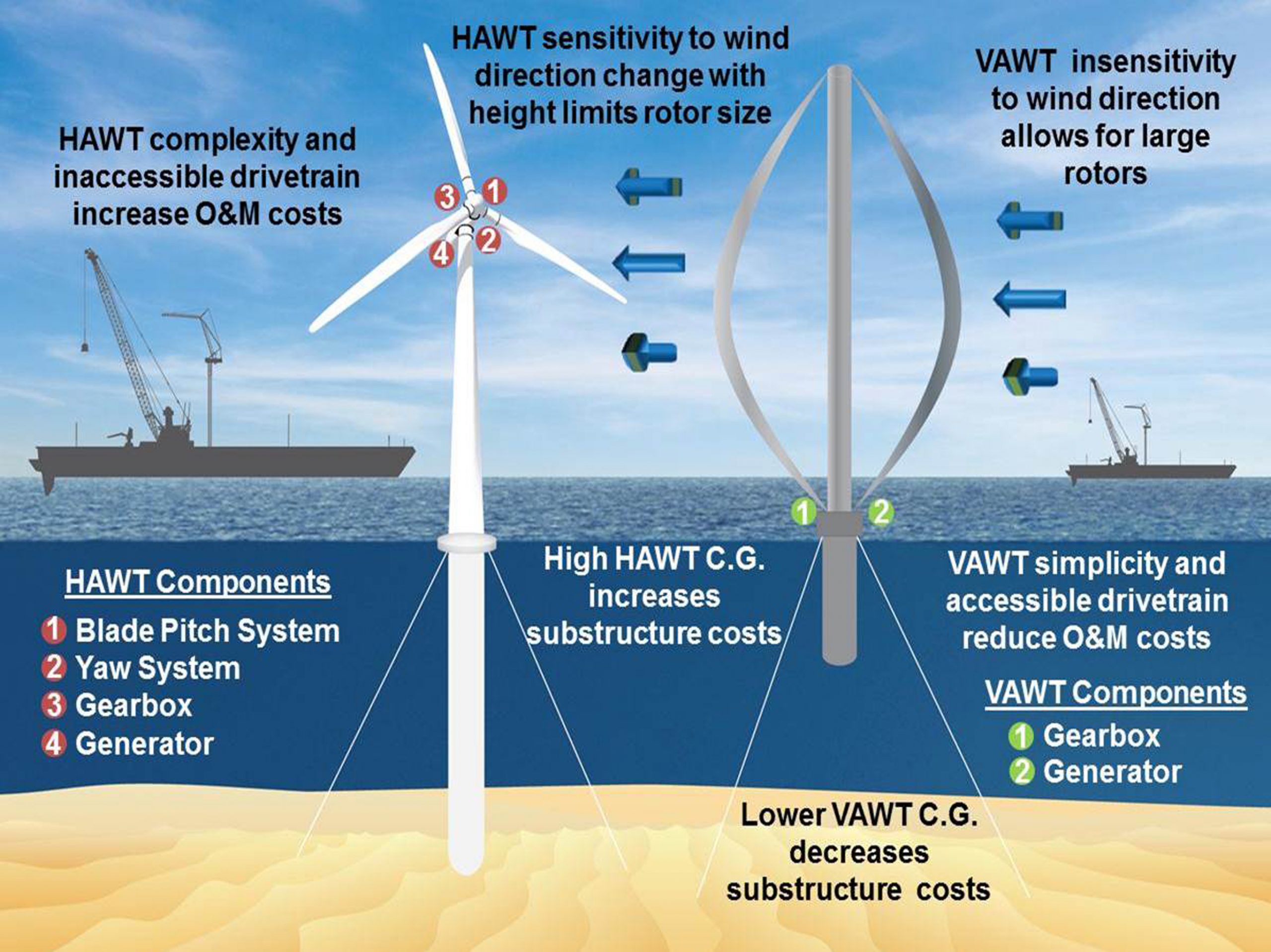
These are the most common and efficient type, resembling the large utility-scale turbines. They have blades that rotate around a horizontal axis, parallel to the ground.
- Pros: Generally more efficient at converting wind energy into electricity, well-established technology, available in various sizes.
- Cons: Require a yaw mechanism to turn into the wind, often louder than VAWTs, require taller towers for optimal performance, can be perceived as less aesthetically pleasing by some.
Vertical Axis Wind Turbines (VAWTs)
VAWTs have blades that rotate around a vertical axis, perpendicular to the ground. They often have a distinctive egg-beater or Darrieus rotor design.
- Pros: Don’t need to be oriented into the wind, often quieter, can be installed closer to the ground (though still benefit from height), potentially better for turbulent urban winds.
- Cons: Generally less efficient than HAWTs for the same rotor area, can be more expensive per kW, less common in larger residential sizes, may have lower startup wind speeds but often require higher sustained winds to produce significant power.
| Feature | Horizontal Axis Wind Turbines (HAWT) | Vertical Axis Wind Turbines (VAWT) |
|---|---|---|
| Efficiency | Higher (more energy captured per rotor area) | Lower (less energy captured per rotor area) |
| Noise Level | Can be noticeable, especially at high wind speeds | Generally quieter |
| Aesthetics | Classic "windmill" look, may be considered imposing | Often perceived as more modern or less intrusive |
| Wind Direction | Needs to yaw (turn) into the wind | Omni-directional, no yaw mechanism needed |
| Tower Height | Requires taller towers for optimal performance | Can operate at lower heights, but still benefits from elevation |
| Maintenance | Potentially more due to moving parts at height | Easier access for maintenance (generator often at ground level) |
| Common Use | Larger scale residential, off-grid systems | Smaller residential, urban, supplementary power |
The Cost of Going Wind: Installation, Maintenance, and ROI
This is where the rubber meets the road. Small wind systems are an investment, and understanding the costs involved is crucial for any homeowner.
Initial Upfront Costs
A typical residential wind system (1 kW to 10 kW) can cost anywhere from $10,000 to $70,000 or more, fully installed. This isn’t just the turbine itself; it’s a comprehensive system.
- Turbine: The turbine unit itself can range from $3,000 for a small 1kW unit to $25,000+ for a 10kW model.
- Tower: The tower (often 60-120 feet) is a significant expense, ranging from $2,000 to $10,000+, depending on height, type (guyed vs. freestanding), and material.
- Balance of System (BOS) Components: This includes the inverter, controller, wiring, grounding, safety disconnects, and potentially batteries for off-grid or hybrid systems. These can add another $2,000 to $15,000+.
- Installation: Professional installation is mandatory. This includes site preparation, foundation work, tower erection, wiring, and system commissioning. Expect installation costs to be 30-50% of the total system cost, varying greatly by location and complexity.
- Permitting & Site Assessment: Don’t forget fees for permits, engineering studies, and a professional wind resource assessment, which can add hundreds to a few thousand dollars.
| Cost Component | Estimated Price Range (Residential 1-10kW System) |
|---|---|
| Wind Turbine (unit only) | $3,000 – $25,000+ |
| Tower (materials & specific type) | $2,000 – $10,000+ |
| Balance of System (Inverter, Controller, Wiring, etc.) | $2,000 – $15,000+ |
| Professional Installation Labor | $5,000 – $25,000+ (highly variable) |
| Permits & Site Assessment | $500 – $3,000+ |
| Total Estimated Cost (Installed) | $10,000 – $70,000+ |
Ongoing Costs & Maintenance
Like any mechanical system, wind turbines require maintenance. This includes:
- Annual Inspections: Checking bolts, guy wires (if applicable), electrical connections.
- Component Replacement: Blades, bearings, or other parts may need replacement over the turbine’s 20-25 year lifespan.
- Insurance: Ensuring your system is covered against damage.
Incentives & Rebates
Various government incentives can significantly offset costs:
- Federal Investment Tax Credit (ITC): Currently, a substantial tax credit (often 30%) is available for renewable energy systems, including residential wind. This is a dollar-for-dollar reduction in your income tax liability.
- State & Local Programs: Many states, counties, and even utility companies offer additional rebates, grants, or property tax exemptions for renewable energy installations. Check the Database of State Incentives for Renewables & Efficiency (DSIRE) for your area.
Payback Period & Return on Investment (ROI)
The payback period (how long it takes for your energy savings to equal your initial investment) for a residential wind turbine can range from 8 to 20 years, or even longer in areas with low electricity rates or poor wind resources. Factors influencing ROI include:
- Average Wind Speed: Higher wind = more electricity = faster payback.
- Electricity Rates: High utility rates mean more savings, improving ROI.
- System Cost: Lower initial cost (after incentives) means faster payback.
- Maintenance Costs: High maintenance can extend payback.
Wind Power vs. Solar Power: A Head-to-Head Comparison
When considering residential renewable energy, solar panels (photovoltaics) are often the first choice. But how does wind stack up against solar?
| Feature | Residential Wind Power | Residential Solar Power |
|---|---|---|
| Primary Resource | Consistent average wind speed (10+ MPH) | Direct sunlight (minimal shading) |
| Space Requirements | Large property for tower & setbacks, clear wind path | Roof space or ground mount (less footprint than wind) |
| Output Profile | Variable (wind speed), often stronger at night/winter | Predictable (daylight hours), stronger in summer |
| Cost (per kW, installed) | Typically higher ($5,000 – $15,000+) | Generally lower ($2,500 – $4,000) |
| Noise | Can be a concern, especially HAWTs | Virtually silent |
| Maintenance | More mechanical parts, requires periodic inspection/lubrication | Minimal (occasional cleaning), no moving parts |
| Visual Impact | Significant due to tower height | Lower (panels blend into roofline) |
| Zoning/Permitting | Often complex, height/setback restrictions | Generally simpler, fewer restrictions |
| Best Use Case | Rural properties with abundant, consistent wind & land | Most residential homes with good sun exposure |
For most residential applications, solar power is often more straightforward, less expensive per kilowatt, and faces fewer regulatory hurdles. However, for properties with excellent wind resources where solar isn’t ideal (e.g., heavily shaded areas, high winter energy demand), wind can be a powerful alternative or a great complement to a solar system in a hybrid setup.
Navigating Zoning Laws and Permitting for Your Wind Turbine
This is arguably the biggest headache for prospective residential wind owners. Unlike solar panels, which are increasingly streamlined through permitting processes, wind turbines still face significant local scrutiny.
Key Regulatory Hurdles:
- Height Restrictions: Many towns have height limits for structures, which can preclude the installation of a sufficiently tall wind turbine. Variances are often possible but can be a lengthy process.
- Setback Requirements: Turbines typically need to be set back a certain distance from property lines, public roads, and sometimes even dwellings, for safety and noise reasons. This can severely limit options on smaller lots.
- Noise Ordinances: While modern turbines are quieter than older models, noise can still be a concern for neighbors. Local ordinances may restrict decibel levels.
- Visual Impact: The aesthetic impact of a tall tower and spinning blades is subjective but can be a significant factor for local planning boards and homeowners’ associations (HOAs).
- Permit Process: Expect to apply for building permits, electrical permits, and potentially special use permits or zoning variances. This often involves submitting detailed engineering plans, noise studies, and aesthetic renderings.
- Homeowners’ Associations (HOAs): Many HOAs have strict rules against external structures, including wind turbines. Review your HOA covenants carefully.
Your Action Plan:
- Contact Your Local Planning Department: This is your first and most important step. Ask about specific ordinances regarding small wind energy systems, height restrictions, setbacks, and the permit application process.
- Understand the "Why": Be prepared to explain the benefits of your system (clean energy, energy independence) and how you plan to mitigate potential concerns (noise, visual impact).
- Work with an Experienced Installer: A reputable wind turbine installer will have experience navigating local regulations and can often help prepare necessary documentation.
Don’t underestimate this step. Many potential projects are stalled or abandoned due to insurmountable zoning challenges.
Advantages and Disadvantages of Residential Wind Power
Let’s summarize the pros and cons to give you a balanced perspective.
Advantages (Pros):
- Reduced or Eliminated Electricity Bills: This is the primary financial driver for most homeowners.
- Energy Independence: Less reliance on the grid, especially valuable during outages (with battery storage).
- Clean, Renewable Energy: Zero emissions during operation, contributing to a greener planet.
- Available Day & Night: Unlike solar, wind turbines can generate power 24/7 as long as the wind blows.
- Long Lifespan: Well-maintained systems can last 20-25 years or more.
- Good for Rural & Windy Locations: Where solar might be limited by shading or high winter demand, wind can excel.
Disadvantages (Cons):
- High Upfront Cost: Significant investment required, potentially making payback periods long.
- Wind Resource Dependency: Output is entirely dependent on consistent, strong wind. Inconsistent wind means inconsistent power.
- Intermittency: Wind doesn’t blow all the time, necessitating grid connection or battery storage.
- Noise & Visual Impact: Can be a concern for homeowners and neighbors, leading to zoning challenges.
- Space Requirements: Requires substantial clear land for optimal operation and regulatory compliance.
- Complex Permitting: Often more difficult to permit than solar, with stringent local regulations.
- Maintenance: Requires periodic professional maintenance, especially for components at height.
- Wildlife Impact: While less significant for small residential turbines than large wind farms, bird and bat mortality can be a concern.
What’s Next? Steps to Take If You’re Serious About Home Wind Energy
If you’ve made it this far and are still enthusiastic, here’s a roadmap for moving forward:
- Get a Professional Wind Resource Assessment: This is non-negotiable. Don’t rely on general regional data. A professional will measure wind speeds on your specific property at appropriate heights.
- Conduct a Thorough Energy Audit: Understand precisely how much power you need to generate. Reduce consumption first to potentially size down your system.
- Research Local Zoning & Permitting: Before spending a dime on quotes, understand what’s possible (or impossible) in your area.
- Seek Multiple Quotes from Reputable Installers: Get at least three detailed quotes from experienced small wind turbine installers. Ensure they include all components, installation, and permitting assistance.
- Understand All Incentives & Financing Options: Factor in federal, state, and local incentives. Explore financing options if needed.
- Consider a Hybrid System: For ultimate reliability and to mitigate intermittency, consider pairing your wind turbine with a solar panel array and battery storage. This provides a more consistent power supply.
Conclusion: Is a Windmill in Your Future?
The dream of powering your home with a windmill is powerful, and for the right homeowner in the right location, it’s an incredibly rewarding reality. You’ve seen that it’s not a simple "yes" or "no" answer, but rather a journey that involves careful planning, significant investment, and an understanding of both the potential and the practical hurdles.
If you have an abundant wind resource, enough space, a budget for the upfront cost, and the patience to navigate local regulations, a residential wind turbine can offer substantial energy savings, increased energy independence, and the satisfaction of contributing to a sustainable future. For others, solar power or a hybrid system might be a more practical path. Either way, taking the time to thoroughly investigate your options is the smartest move you can make for your home and your wallet.
”
}
{ “content”: “
Windmill to Power Your Home: The Ultimate Guide to Residential Wind Energy
Dreaming of ditching your electric bill and generating your own clean power? The idea of a windmill gracefully spinning, quietly fueling your home, is incredibly appealing. But let’s be real: can a windmill actually power your entire home? Is it practical? Is it affordable? Or is it just another expensive pipe dream?
As someone who’s delved deep into residential renewable energy, I’m here to give you the no-nonsense truth. While the allure is strong, the reality of powering your home with a small wind turbine involves a careful balance of wind resources, upfront costs, and local regulations. This guide will walk you through everything you need to know, helping you determine if a windmill is truly in your future.
Can a Windmill Power Your Entire Home? (The Short Answer)
Yes, it absolutely can. But there’s a significant "if."
The ability of a residential wind turbine to fully power your home hinges on three critical factors: your home’s energy consumption, the average wind speed at your location, and the size (kilowatt output) of the turbine you install. For many homes, a small wind turbine serves as a supplemental power source, significantly reducing utility bills and reliance on the grid. However, in locations with excellent, consistent wind resources and with a sufficiently sized system, complete energy independence is entirely achievable.
The challenge often isn’t the technology itself, but aligning the technology with your specific needs, site conditions, and budget. It’s a journey, not a flip of a switch, and it starts with understanding if your home is a good candidate.
Is Residential Wind Power Right for YOU? A Self-Assessment Checklist
Before you get swept away by the idea, let’s run through a quick checklist. This will help you quickly determine if residential wind power is even a viable option for your property.
Key Factors for Residential Wind Suitability:
- High Average Wind Speed: This is the single most important factor. You need an average annual wind speed of at least 10-12 MPH (4.5-5.5 m/s) to make a residential wind turbine economically viable. Lower than this, and your turbine simply won’t generate enough electricity to justify the cost.
- Sufficient Clear Space: Turbines need to be installed on tall towers (often 60-120 feet or more) to catch unobstructed wind. Do you have enough land away from tall trees, buildings, and other obstructions?
- No Significant Nearby Obstructions: Buildings, hills, and trees create turbulence and reduce wind speed. Your turbine needs clear air flow for optimal performance.
- Local Zoning & Permitting: Many localities have strict rules regarding turbine height, setbacks from property lines, noise, and visual impact. Is your area amenable to wind turbines? This is a major hurdle for many homeowners.
- High Energy Consumption & Bills: If your electricity bills are already low, the payback period for a wind turbine might be excessively long. Wind power shines when offsetting substantial energy use.
- Budget for Upfront Investment: Small wind turbines are a significant investment, often ranging from $10,000 to $70,000+ depending on size and installation complexity.
- Long-Term Perspective: Wind turbines are a long-term investment, with payback periods typically ranging from 8-20 years. Are you prepared for this commitment?
If you checked ‘yes’ to most of these, especially regarding wind speed and space, you’re off to a good start!
Understanding Your Home’s Energy Needs: How Much Power Do You Really Use?
You can’t size a wind turbine without knowing your energy footprint. Most homes in the USA consume between 800 and 1,200 kilowatt-hours (kWh) per month, but yours could be higher or lower.
How to find your energy data:
- Check Your Utility Bills: Your monthly electricity bill will show your exact kWh consumption. Look for an annual summary or average to get a clear picture of your usage fluctuations throughout the year.
- Conduct an Energy Audit: Many utility companies offer free or low-cost energy audits. This will identify areas where you can reduce consumption before investing in generation. The less energy you use, the smaller (and cheaper) your wind turbine needs to be.
- Consider Future Needs: Are you planning an electric vehicle, a hot tub, or other energy-intensive additions? Factor these into your future consumption estimates.
Understanding your average and peak daily/monthly kWh needs is crucial. A turbine sized for average use might not cover peak demand, especially if you’re aiming for full energy independence.
Small Wind Turbines 101: How They Work & Key Components
At its core, a wind turbine works on a simple principle: wind turns blades, which turn a shaft, which spins a generator to produce electricity. Think of it like a reverse fan.
Key Components of a Small Wind Electric System:
- Turbine (Blades, Nacelle, Generator): The blades capture wind energy, converting it into rotational force. The nacelle houses the gearbox (if present), the generator, and other control mechanisms. The generator produces AC (alternating current) electricity.
- Tower: Lifts the turbine to a height where it can access cleaner, stronger, and less turbulent wind. Towers can be self-supporting (freestanding) or guyed (supported by cables).
- Controller: Manages battery charging (for off-grid/hybrid systems), regulates voltage, and protects the turbine from over-speeding in high winds.
- Inverter: Converts the DC (direct current) electricity produced by the turbine (or stored in batteries) into AC electricity that your home appliances use, or that can be fed back into the grid.
- Battery Bank (Optional, for off-grid/hybrid systems): Stores excess energy for use when the wind isn’t blowing. Essential for off-grid living; optional but beneficial for grid-tied systems to enhance reliability.
- Interconnection Equipment (for grid-tied systems): Includes meters and safety disconnects to connect your system safely to the utility grid.
Sizing Your Home Wind Turbine: The kW You Need
Sizing is critical. Too small, and you won’t meet your needs; too large, and you’ve wasted money. The goal is to match your turbine’s annual energy output to your home’s annual energy consumption, factoring in your local wind resource.
A common guideline is that a 1.5-kW wind turbine can meet the needs of a home requiring 300 kWh per month in a location with a 14 MPH (6.26 m/s) annual average wind speed (as per the U.S. Department of Energy). However, this is just a baseline.
Here’s a simplified approach to estimate your needs:
- Calculate Daily kWh: Divide your monthly kWh by 30 (e.g., 900 kWh/month / 30 days = 30 kWh/day).
- Estimate Daily Peak Hours (full power): This is an oversimplification, as wind isn’t constant, but helps illustrate. Let’s say your wind turbine operates at its rated capacity for an average of 6-8 hours a day (a realistic, though often optimistic, figure in a good wind resource).
- Determine Required Turbine Size (kW): Divide daily kWh by peak hours (e.g., 30 kWh/day / 7 hours = ~4.3 kW). This means you’d need a turbine rated around 4.3 kW to meet that daily demand under ideal conditions.
Residential turbines typically range from 1 kW to 10 kW. A 5 kW turbine, for instance, in a good wind resource (12-15 MPH average), could generate between 8,000 to 16,000 kWh annually, which is enough to cover many homes’ electricity needs.
Important Note: This is a rough calculation. A professional site assessment, including a wind resource assessment, is absolutely essential for accurate sizing.
Types of Small Wind Turbines for Home Use
When you picture a windmill, you likely think of the classic propeller-style design. But there are actually two main types of small wind turbines suitable for residential use, each with its own characteristics.
Horizontal Axis Wind Turbines (HAWTs)
These are the most common and efficient type, resembling the large utility-scale turbines. They have blades that rotate around a horizontal axis, parallel to the ground.
- Pros: Generally more efficient at converting wind energy into electricity, well-established technology, available in various sizes.
- Cons: Require a yaw mechanism to turn into the wind, often louder than VAWTs, require taller towers for optimal performance, can be perceived as less aesthetically pleasing by some.
Vertical Axis Wind Turbines (VAWTs)
VAWTs have blades that rotate around a vertical axis, perpendicular to the ground. They often have a distinctive egg-beater or Darrieus rotor design.
- Pros: Don’t need to be oriented into the wind, often quieter, can be installed closer to the ground (though still benefit from height), potentially better for turbulent urban winds.
- Cons: Generally less efficient than HAWTs for the same rotor area, can be more expensive per kW, less common in larger residential sizes, may have lower startup wind speeds but often require higher sustained winds to produce significant power.
| Feature | Horizontal Axis Wind Turbines (HAWT) | Vertical Axis Wind Turbines (VAWT) |
|---|---|---|
| Efficiency | Higher (more energy captured per rotor area) | Lower (less energy captured per rotor area) |
| Noise Level | Can be noticeable, especially at high wind speeds | Generally quieter |
| Aesthetics | Classic "windmill" look, may be considered imposing | Often perceived as more modern or less intrusive |
| Wind Direction | Needs to yaw (turn) into the wind | Omni-directional, no yaw mechanism needed |
| Tower Height | Requires taller towers for optimal performance | Can operate at lower heights, but still benefits from elevation |
| Maintenance | Potentially more due to moving parts at height | Easier access for maintenance (generator often at ground level) |
| Common Use | Larger scale residential, off-grid systems | Smaller residential, urban, supplementary power |
The Cost of Going Wind: Installation, Maintenance, and ROI
This is where the rubber meets the road. Small wind systems are an investment, and understanding the costs involved is crucial for any homeowner.
Initial Upfront Costs
A typical residential wind system (1 kW to 10 kW) can cost anywhere from $10,000 to $70,000 or more, fully installed. This isn’t just the turbine itself; it’s a comprehensive system.
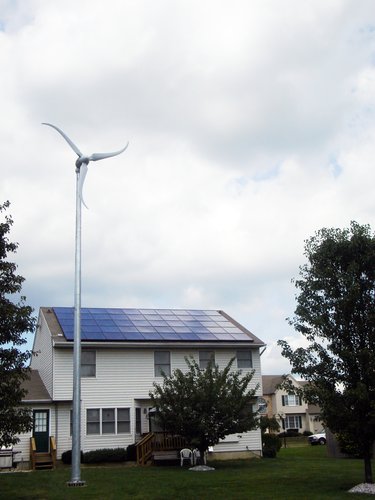
- Turbine: The turbine unit itself can range from $3,000 for a small 1kW unit to $25,000+ for a 10kW model.
- Tower: The tower (often 60-120 feet) is a significant expense, ranging from $2,000 to $10,000+, depending on height, type (guyed vs. freestanding), and material.
- Balance of System (BOS) Components: This includes the inverter, controller, wiring, grounding, safety disconnects, and potentially batteries for off-grid or hybrid systems. These can add another $2,000 to $15,000+.
- Installation: Professional installation is mandatory. This includes site preparation, foundation work, tower erection, wiring, and system commissioning. Expect installation costs to be 30-50% of the total system cost, varying greatly by location and complexity.
- Permitting & Site Assessment: Don’t forget fees for permits, engineering studies, and a professional wind resource assessment, which can add hundreds to a few thousand dollars.
| Cost Component | Estimated Price Range (Residential 1-10kW System) |
|---|---|
| Wind Turbine (unit only) | $3,000 – $25,000+ |
| Tower (materials & specific type) | $2,000 – $10,000+ |
| Balance of System (Inverter, Controller, Wiring, etc.) | $2,000 – $15,000+ |
| Professional Installation Labor | $5,000 – $25,000+ (highly variable) |
| Permits & Site Assessment | $500 – $3,000+ |
| Total Estimated Cost (Installed) | $10,000 – $70,000+ |
Ongoing Costs & Maintenance
Like any mechanical system, wind turbines require maintenance. This includes:
- Annual Inspections: Checking bolts, guy wires (if applicable), electrical connections.
- Component Replacement: Blades, bearings, or other parts may need replacement over the turbine’s 20-25 year lifespan.
- Insurance: Ensuring your system is covered against damage.
Incentives & Rebates
Various government incentives can significantly offset costs:
- Federal Investment Tax Credit (ITC): Currently, a substantial tax credit (often 30%) is available for renewable energy systems, including residential wind. This is a dollar-for-dollar reduction in your income tax liability.
- State & Local Programs: Many states, counties, and even utility companies offer additional rebates, grants, or property tax exemptions for renewable energy installations. Check the Database of State Incentives for Renewables & Efficiency (DSIRE) for your area.
Payback Period & Return on Investment (ROI)
The payback period (how long it takes for your energy savings to equal your initial investment) for a residential wind turbine can range from 8 to 20 years, or even longer in areas with low electricity rates or poor wind resources. Factors influencing ROI include:
- Average Wind Speed: Higher wind = more electricity = faster payback.
- Electricity Rates: High utility rates mean more savings, improving ROI.
- System Cost: Lower initial cost (after incentives) means faster payback.
- Maintenance Costs: High maintenance can extend payback.
Wind Power vs. Solar Power: A Head-to-Head Comparison
When considering residential renewable energy, solar panels (photovoltaics) are often the first choice. But how does wind stack up against solar?
| Feature | Residential Wind Power | Residential Solar Power |
|---|---|---|
| Primary Resource | Consistent average wind speed (10+ MPH) | Direct sunlight (minimal shading) |
| Space Requirements | Large property for tower & setbacks, clear wind path | Roof space or ground mount (less footprint than wind) |
| Output Profile | Variable (wind speed), often stronger at night/winter | Predictable (daylight hours), stronger in summer |
| Cost (per kW, installed) | Typically higher ($5,000 – $15,000+) | Generally lower ($2,500 – $4,000) |
| Noise | Can be a concern, especially HAWTs | Virtually silent |
| Maintenance | More mechanical parts, requires periodic inspection/lubrication | Minimal (occasional cleaning), no moving parts |
| Visual Impact | Significant due to tower height | Lower (panels blend into roofline) |
| Zoning/Permitting | Often complex, height/setback restrictions | Generally simpler, fewer restrictions |
| Best Use Case | Rural properties with abundant, consistent wind & land | Most residential homes with good sun exposure |
For most residential applications, solar power is often more straightforward, less expensive per kilowatt, and faces fewer regulatory hurdles. However, for properties with excellent wind resources where solar isn’t ideal (e.g., heavily shaded areas, high winter energy demand), wind can be a powerful alternative or a great complement to a solar system in a hybrid setup.
Navigating Zoning Laws and Permitting for Your Wind Turbine
This is arguably the biggest headache for prospective residential wind owners. Unlike solar panels, which are increasingly streamlined through permitting processes, wind turbines still face significant local scrutiny.
Key Regulatory Hurdles:
- Height Restrictions: Many towns have height limits for structures, which can preclude the installation of a sufficiently tall wind turbine. Variances are often possible but can be a lengthy process.
- Setback Requirements: Turbines typically need to be set back a certain distance from property lines, public roads, and sometimes even dwellings, for safety and noise reasons. This can severely limit options on smaller lots.
- Noise Ordinances: While modern turbines are quieter than older models, noise can still be a concern for neighbors. Local ordinances may restrict decibel levels.
- Visual Impact: The aesthetic impact of a tall tower and spinning blades is subjective but can be a significant factor for local planning boards and homeowners’ associations (HOAs).
- Permit Process: Expect to apply for building permits, electrical permits, and potentially special use permits or zoning variances. This often involves submitting detailed engineering plans, noise studies, and aesthetic renderings.
- Homeowners’ Associations (HOAs): Many HOAs have strict rules against external structures, including wind turbines. Review your HOA covenants carefully.
Your Action Plan:
- Contact Your Local Planning Department: This is your first and most important step. Ask about specific ordinances regarding small wind energy systems, height restrictions, setbacks, and the permit application process.
- Understand the "Why": Be prepared to explain the benefits of your system (clean energy, energy independence) and how you plan to mitigate potential concerns (noise, visual impact).
- Work with an Experienced Installer: A reputable wind turbine installer will have experience navigating local regulations and can often help prepare necessary documentation.
Don’t underestimate this step. Many potential projects are stalled or abandoned due to insurmountable zoning challenges.
Advantages and Disadvantages of Residential Wind Power
Let’s summarize the pros and cons to give you a balanced perspective.
Advantages (Pros):
- Reduced or Eliminated Electricity Bills: This is the primary financial driver for most homeowners.
- Energy Independence: Less reliance on the grid, especially valuable during outages (with battery storage).
- Clean, Renewable Energy: Zero emissions during operation, contributing to a greener planet.
- Available Day & Night: Unlike solar, wind turbines can generate power 24/7 as long as the wind blows.
- Long Lifespan: Well-maintained systems can last 20-25 years or more.
- Good for Rural & Windy Locations: Where solar might be limited by shading or high winter demand, wind can excel.
Disadvantages (Cons):
- High Upfront Cost: Significant investment required, potentially making payback periods long.
- Wind Resource Dependency: Output is entirely dependent on consistent, strong wind. Inconsistent wind means inconsistent power.
- Intermittency: Wind doesn’t blow all the time, necessitating grid connection or battery storage.
- Noise & Visual Impact: Can be a concern for homeowners and neighbors, leading to zoning challenges.
- Space Requirements: Requires substantial clear land for optimal operation and regulatory compliance.
- Complex Permitting: Often more difficult to permit than solar, with stringent local regulations.
- Maintenance: Requires periodic professional maintenance, especially for components at height.
- Wildlife Impact: While less significant for small residential turbines than large wind farms, bird and bat mortality can be a concern.
What’s Next? Steps to Take If You’re Serious About Home Wind Energy
If you’ve made it this far and are still enthusiastic, here’s a roadmap for moving forward:
- Get a Professional Wind Resource Assessment: This is non-negotiable. Don’t rely on general regional data. A professional will measure wind speeds on your specific property at appropriate heights.
- Conduct a Thorough Energy Audit: Understand precisely how much power you need to generate. Reduce consumption first to potentially size down your system.
- Research Local Zoning & Permitting: Before spending a dime on quotes, understand what’s possible (or impossible) in your area.
- Seek Multiple Quotes from Reputable Installers: Get at least three detailed quotes from experienced small wind turbine installers. Ensure they include all components, installation, and permitting assistance.
- Understand All Incentives & Financing Options: Factor in federal, state, and local incentives. Explore financing options if needed.
- Consider a Hybrid System: For ultimate reliability and to mitigate intermittency, consider pairing your wind turbine with a solar panel array and battery storage. This provides a more consistent power supply.
Conclusion: Is a Windmill in Your Future?
The dream of powering your home with a windmill is powerful, and for the right homeowner in the right location, it’s an incredibly rewarding reality. You’ve seen that it’s not a simple "yes" or "no" answer, but rather a journey that involves careful planning, significant investment, and an understanding of both the potential and the practical hurdles.
If you have an abundant wind resource, enough space, a budget for the upfront cost, and the patience to navigate local regulations, a residential wind turbine can offer substantial energy savings, increased energy independence, and the satisfaction of contributing to a sustainable future. For others, solar power or a hybrid system might be a more practical path. Either way, taking the time to thoroughly investigate your options is the smartest move you can make for your home and your wallet.
Frequently Asked Questions
How much does it cost to install a small wind turbine?
The installed cost for a small residential wind turbine system (1 kW to 10 kW) typically ranges from $10,000 to $70,000 or more. This includes the turbine unit, tower, balance of system components (inverter, controller, wiring), professional installation labor, and permitting/site assessment fees. Actual costs vary significantly based on turbine size, tower height, site complexity, and local labor rates.
What size wind turbine do I need to power my home?
The size of wind turbine you need depends on your home’s average monthly energy consumption (in kWh) and your location’s average annual wind speed. As a general guide, a 1.5-kW turbine can meet the needs of a home using 300 kWh/month in an area with a 14 MPH average wind speed. For a typical home using 800-1200 kWh/month, a 5-10 kW turbine may be required, provided there’s an excellent wind resource.
Can a wind turbine power a home off-grid?
Yes, a wind turbine can power a home off-grid, but it requires a robust battery bank to store excess energy for times when the wind isn’t blowing. Many off-grid systems integrate wind turbines with solar panels (a hybrid system) for greater reliability, as wind and solar resources often complement each other.
How much wind speed is needed for a residential turbine?
For a residential wind turbine to be economically viable and produce sufficient power, an average annual wind speed of at least 10-12 MPH (4.5-5.5 meters per second) is generally recommended. Turbines will start producing some power at lower speeds, but consistent higher speeds are crucial for a reasonable return on investment.
Are home wind turbines noisy?
Modern small wind turbines are significantly quieter than older models, but they are not entirely silent. Horizontal Axis Wind Turbines (HAWTs) can produce a noticeable whooshing sound, especially in higher winds. Vertical Axis Wind Turbines (VAWTs) are generally quieter. Noise levels are a common concern for neighbors and are often addressed in local zoning ordinances.
Do home wind turbines require a lot of maintenance?
Home wind turbines require periodic maintenance to ensure optimal performance and longevity. This typically includes annual inspections of bolts, guy wires, electrical connections, and lubrication of moving parts. Components like blades or bearings may need replacement over the system’s 20-25 year lifespan. It’s generally recommended to have a qualified professional perform these checks.
What’s the difference between a HAWT and a VAWT?
HAWTs (Horizontal Axis Wind Turbines) have blades that rotate around a horizontal axis (like airplane propellers) and are generally more efficient. VAWTs (Vertical Axis Wind Turbines) have blades that rotate around a vertical axis (like an egg beater or Darrieus rotor), are typically quieter, don’t need to orient into the wind, and may be better for turbulent urban winds, though generally less efficient.