Wiring a Wind Turbine to Your House: The Definitive Guide to Home Energy Independence
Dreaming of ditching the utility company and powering your home with the wind? You’re not alone. The allure of clean, renewable energy is powerful, but connecting a wind turbine to your house can seem like a daunting electrical puzzle. It’s more than just putting up a tower; it’s about safely and efficiently integrating a complex power source into your existing electrical system.
Table of Contents
- Wiring a Wind Turbine to Your House: The Definitive Guide to Home Energy Independence
- Is a Home Wind Turbine Right For You? Assessing Your Potential
- Understanding Wind Resource Assessment
- Sizing Your Turbine: What Power Do You Need?
- Key Components of a Home Wind System
- The Core Wiring Paths: Off-Grid vs. Grid-Tied vs. Hybrid
- Off-Grid Wiring: Complete Self-Sufficiency
- Grid-Tied Wiring: Selling Power Back
- Hybrid (Wind + Solar + Battery) Wiring: The Best of Both Worlds
- Step-by-Step Wiring Process: From Turbine to Main Panel
- Step 1: Planning and Permitting
- Step 2: Selecting the Right Wire & Conduit
- Step 3: Installing the Charge Controller
- Step 4: Connecting the Turbine to the Charge Controller
- Step 5: Integrating the Battery Bank (If applicable)
- Step 6: Wiring the Inverter
- Step 7: Connecting to Your Home’s Main Electrical Panel
- Step 8: Grounding and Surge Protection
- Essential Safety & Compliance Considerations
- Electrical Codes and Local Ordinances
- Professional Installation vs. DIY
- Disconnect Switches and Breakers
- Importance of Proper Grounding
- Troubleshooting Common Wiring Issues
- Making Your Wind System Last: Maintenance Tips
I get it. The technical jargon, the fear of making a mistake, and the sheer number of components can be overwhelming. But here’s the good news: with the right knowledge and a clear roadmap, wiring a home wind turbine is absolutely achievable. This guide will cut through the confusion, offering a human-centric, actionable walkthrough of everything you need to know about wiring your wind turbine, whether you’re going completely off-grid, tying into the utility, or creating a hybrid system.
Is a Home Wind Turbine Right For You? Assessing Your Potential
Before you even think about twisting wires, you need to understand if a wind turbine makes sense for your property. Just like real estate, it’s all about location, location, location.
Understanding Wind Resource Assessment
Wiring decisions start here. The amount of wind your turbine captures dictates its power output, which in turn influences the size of your charge controller, inverter, battery bank (if applicable), and crucially, the gauge of the wires you’ll need. A turbine in a low-wind area will produce less current, requiring different considerations than one in a consistently windy location.
- Average Wind Speed: This is paramount. Most residential turbines require an average annual wind speed of at least 8-10 mph to be economically viable. You can often find local wind data online or through weather stations.
- Obstructions: Trees, buildings, and terrain can create turbulence and reduce wind speed. Your turbine needs clear air flow.
- Tower Height: Wind speeds increase with height. A taller tower means more consistent wind, and often, more power. This also impacts the length of your wiring runs.
Sizing Your Turbine: What Power Do You Need?
Determining your energy needs is critical. Do you want to supplement your power, or completely replace it? This decision directly impacts the turbine’s wattage and, subsequently, the amperage and voltage flowing through your wires.
- Audit Your Usage: Review your past electricity bills to determine your average daily and monthly kilowatt-hour (kWh) consumption.
- Future Needs: Consider any planned additions like electric vehicles or new appliances.
- Turbine Ratings: Turbines are rated in watts (W) or kilowatts (kW). A typical small residential turbine might range from 400W to 5kW.
Key Components of a Home Wind System
Understanding these components is crucial because each one plays a specific role in the wiring chain.
- The Turbine: This is the visible part – blades and a generator that converts wind energy into DC (direct current) electricity.
- The Tower: Supports the turbine at an optimal height. Wiring runs down the inside or outside of this structure.
- Charge Controller: Manages the DC power coming from the turbine. It protects batteries from overcharging and regulates voltage. This is a critical wiring junction.
- Inverter: Converts the DC power (from the charge controller or batteries) into AC (alternating current) power, which is what your home appliances use and what the utility grid runs on.
- Battery Bank (Optional, but common): Stores excess DC electricity for use when the wind isn’t blowing. Essential for off-grid systems.
- Wiring & Safety Disconnects: The arteries and valves of your system, ensuring power flows correctly and can be safely shut off.
The Core Wiring Paths: Off-Grid vs. Grid-Tied vs. Hybrid
Your wiring strategy will largely depend on whether you want to disconnect from the utility grid entirely, remain connected and sell excess power, or combine both approaches with a battery backup. Each path has distinct wiring requirements.
Off-Grid Wiring: Complete Self-Sufficiency
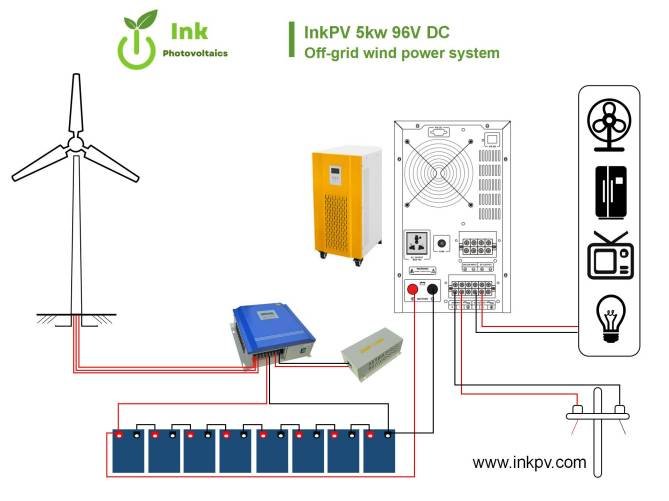
If you’re embracing total energy independence, your wind turbine system will need to generate, store, and convert all the power your home uses. There’s no utility grid to fall back on, so reliability and storage are key. The wiring path here is typically: Turbine & ; Charge Controller & ; Battery Bank & ; Inverter & ; Home AC Panel.
Here’s what that looks like in practice:
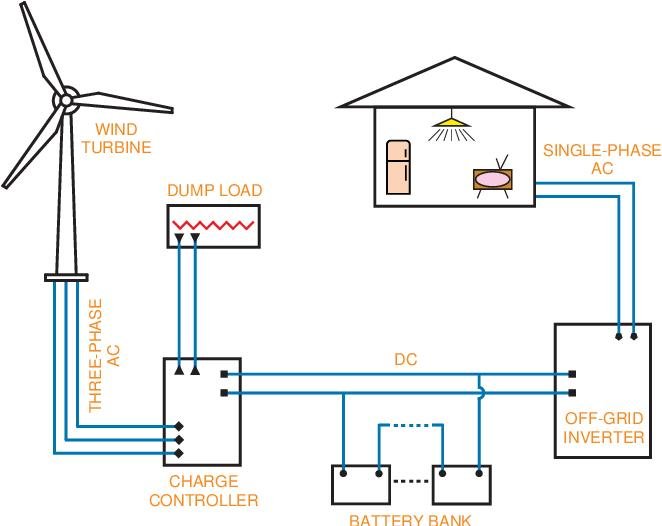
- Turbine to Charge Controller: This is a DC connection. The turbine generates raw DC power, which is fed down the tower wiring to the charge controller. You’ll typically use a multi-conductor wire or separate positive and negative wires, often with a ground.
- Charge Controller to Battery Bank: The charge controller’s primary job is to regulate voltage and current to safely charge your batteries. Wires from the controller connect directly to the battery bank terminals. Proper fusing and a DC disconnect switch are crucial here.
- Battery Bank to Inverter: Large gauge DC cables connect the battery bank to the DC input terminals of your inverter. The inverter will draw power from the batteries as needed. Again, a heavy-duty DC disconnect and fuses are vital.
- Inverter to Home AC Panel: The inverter converts the battery’s DC power into usable AC power for your home. This AC output is then wired to a dedicated breaker in your home’s main electrical panel, or to a separate sub-panel if you’re isolating certain circuits for wind power.
Key Wiring Considerations for Off-Grid:
- Battery Voltage: Your system voltage (12V, 24V, 48V) dictates wire gauge. Higher voltage systems are more efficient for longer runs and higher power, meaning smaller wires for the same power.
- Amperage: This is critical for wire sizing. Higher amperage requires thicker wires to prevent overheating and voltage drop.
- Fusing and Disconnects: Every major DC section (turbine output, battery bank, inverter input) needs appropriate fusing and manual disconnect switches for safety during maintenance or emergencies.
| Component | Wiring Connection | Typical Wire Type | Purpose |
|---|---|---|---|
| Turbine to Charge Controller | DC Input | Outdoor rated multi-conductor (e.g., UF-B) or individual THHN/THWN in conduit | Transmits raw DC power from turbine |
| Charge Controller to Battery Bank | DC Output to Battery Terminals | Battery cable (flexible, fine strand), typically 6 AWG to 2/0 AWG depending on current | Regulates charge to batteries |
| Battery Bank to Inverter | DC Output to Inverter DC Input | Heavy-gauge battery cable, 2/0 AWG to 4/0 AWG common for high power | Feeds stored DC power to inverter |
| Inverter to Home AC Panel | AC Output to Breaker in Panel | Romex (NM-B) or THHN/THWN in conduit, sized for AC output (e.g., 10-14 AWG) | Converts DC to AC for household use |
Grid-Tied Wiring: Selling Power Back
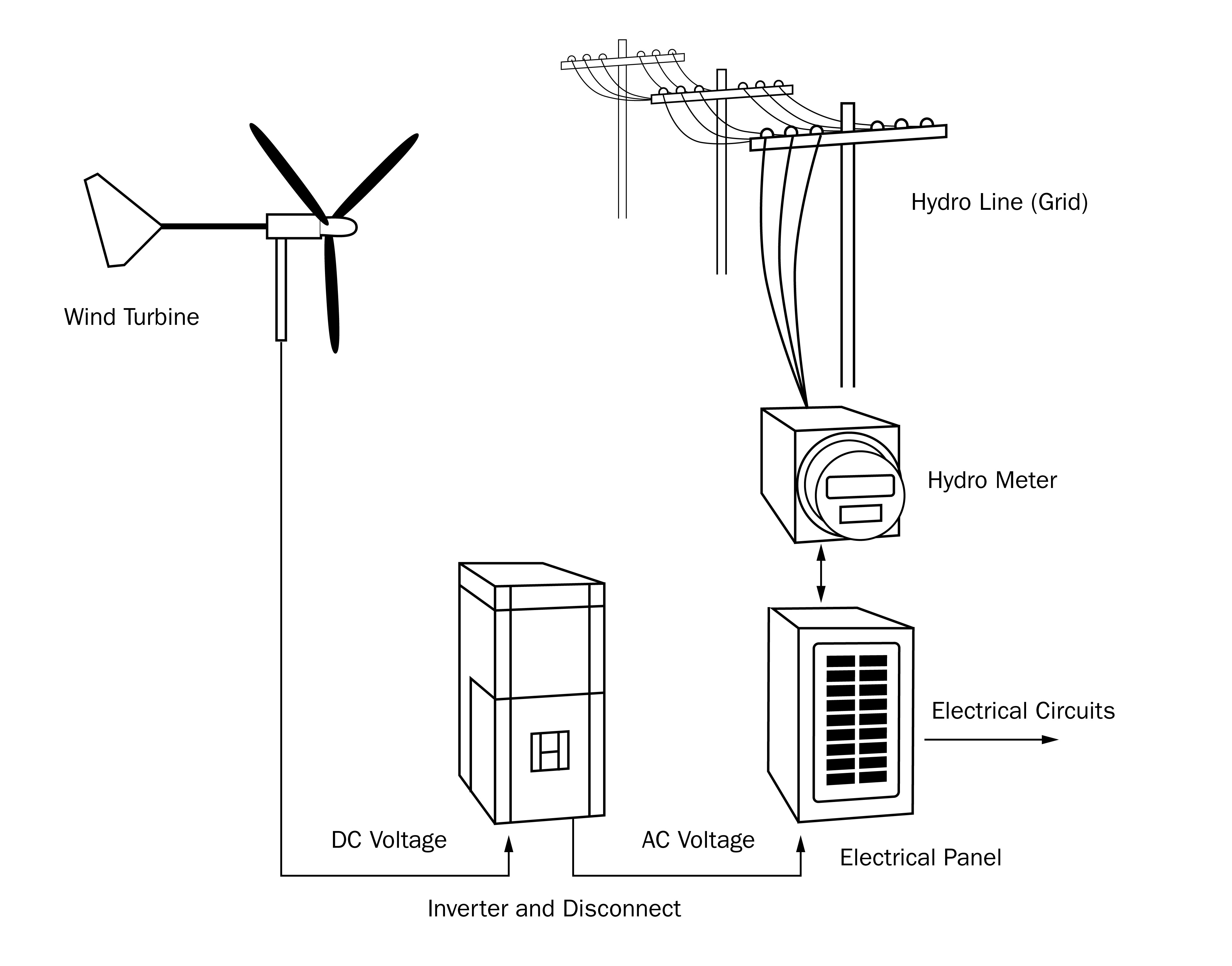
Most residential wind systems in populated areas are grid-tied. This means your turbine supplements your home’s electricity, and any excess power generated is fed back into the utility grid, often earning you credits through net metering. The wiring path is simpler in some ways, as you don’t need a large battery bank: Turbine & ; Charge Controller & ; Grid-Tied Inverter & ; Utility Meter & ; Home AC Panel.
Here’s the breakdown:
- Turbine to Charge Controller: Similar to off-grid, DC power flows from the turbine down to the charge controller.
- Charge Controller to Grid-Tied Inverter: The charge controller ensures optimal voltage and current delivery to the grid-tied inverter. This inverter is purpose-built to synchronize its AC output with the utility grid’s frequency and voltage.
- Grid-Tied Inverter to Home AC Panel: The inverter’s AC output is wired to a dedicated circuit breaker in your home’s main electrical panel. This allows the turbine’s power to feed into your home’s circuits.
- Home AC Panel to Utility Meter: When your turbine generates more power than your home is consuming, the excess flows through your main panel, then back out through your utility meter to the grid. A bidirectional (net) meter is required to track both consumption and export.
Key Wiring Considerations for Grid-Tied:
- Anti-Islanding Protection: Grid-tied inverters *must have anti-islanding protection, which automatically shuts down the system if the grid goes down. This is critical for utility worker safety.
- Utility Requirements: Your local utility company will have strict interconnection agreements and wiring standards you must follow. Permits and inspections are mandatory.
- AC Disconnect: A visible, lockable AC disconnect switch must be installed between the inverter and the utility connection point (usually near the meter) for utility access.
| Component | Wiring Connection | Typical Wire Type | Purpose |
|---|---|---|---|
| Turbine to Charge Controller | DC Input | Outdoor rated multi-conductor or individual THHN/THWN in conduit | Transmits raw DC power from turbine |
| Charge Controller to Grid-Tied Inverter | DC Output to Inverter DC Input | Appropriate DC-rated cable, sized for controller output (e.g., 6-10 AWG) | Feeds regulated DC power to grid-tied inverter |
| Grid-Tied Inverter to Home AC Panel | AC Output to Breaker in Panel | Romex (NM-B) or THHN/THWN in conduit, sized for inverter AC output (e.g., 8-12 AWG) | Converts DC to grid-synchronous AC, feeds home and grid |
| AC Disconnect Switch | Between Inverter and Utility Meter/Panel | AC rated cable, same as inverter output | Manual safety cut-off for utility workers |
Hybrid (Wind + Solar + Battery) Wiring: The Best of Both Worlds
Many homeowners combine wind and solar with a battery bank for a truly robust energy system. This leverages the strengths of both renewables (wind often peaks when solar is low, and vice-versa) and provides backup power. The wiring becomes more complex, often using a central hybrid inverter or separate charge controllers feeding a common battery bank.
A simplified flow looks like: Turbine & ; Wind Charge Controller; Solar Panels & ; Solar Charge Controller & ; Battery Bank & ; Hybrid Inverter & ; Home AC Panel / Grid.
Key Hybrid Wiring Considerations:
- Multiple Charge Controllers: You’ll typically have separate charge controllers for wind and solar, each optimized for its source. These controllers then feed DC power into a common battery bank.
- Battery Bank as Central Hub: The battery bank becomes the central point where all DC power is collected and stored before being inverted to AC.
- Hybrid Inverter: A single hybrid inverter can manage both DC inputs (from battery/charge controllers) and AC output (to home/grid), often capable of grid-tie with battery backup. This simplifies overall wiring compared to having separate inverters.
- DC Combiner Box: For larger systems, a DC combiner box might be used to bring multiple DC inputs (e.g., from several solar strings or multiple turbines) together before feeding into the charge controller or battery bank.
- System Voltage Matching: Ensure all DC components (turbine output, solar array voltage, charge controllers, battery bank, inverter DC input) are compatible in voltage. Mismatched voltages can lead to inefficiency or damage.
Step-by-Step Wiring Process: From Turbine to Main Panel
This section provides a general sequence for wiring your wind system. Remember, local codes and specific equipment manuals will provide exact details.
Step 1: Planning and Permitting
Before you even unroll a wire, this is where you start. Electrical codes, especially the National Electrical Code (NEC) in the USA, govern almost every aspect of your wiring. Local jurisdictions will require permits and inspections.
- Local Building Department: Consult them for specific wind turbine regulations, permit applications, and required inspections (electrical, structural).
- Utility Company: If grid-tied, they’ll have specific interconnection agreements, safety requirements, and may need to inspect the AC wiring and disconnect.
- Professional Design: Consider having a licensed electrician or renewable energy specialist design your wiring plan to ensure compliance and safety.
Step 2: Selecting the Right Wire & Conduit
Wire selection is critical for safety and efficiency. Too small a wire can overheat, causing fire hazards and significant power loss (voltage drop). Too large a wire is costly and difficult to work with.
- Wire Gauge (AWG): Determined by the current (amperage) and the length of the wire run. Consult NEC tables or voltage drop calculators. Longer runs and higher currents require thicker wires (smaller AWG numbers).
- Wire Type: Outdoor-rated wire like UF-B (Underground Feeder) is common for direct burial. THHN/THWN (Thermoplastic High Heat-resistant Nylon-coated/Water-resistant) is suitable for conduit runs. For DC battery connections, flexible, fine-strand battery cable is preferred.
- Conduit: Required for protecting wires, especially underground or exposed areas. PVC (Polyvinyl Chloride) is common for underground, while EMT (Electrical Metallic Tubing) or rigid metal conduit (RMC) might be used above ground.
- Color Coding: Maintain consistent color coding for positive, negative, and ground wires to avoid confusion.
Step 3: Installing the Charge Controller
The charge controller is usually mounted indoors, near your battery bank (if applicable) and inverter, in a cool, dry, well-ventilated area. Its location should be accessible for monitoring and maintenance.
- Mounting: Securely fasten the controller to a wall or panel according to manufacturer instructions.
- Ventilation: Ensure adequate airflow around the unit, as it can generate heat, especially under heavy load.
Step 4: Connecting the Turbine to the Charge Controller
This is the first major electrical connection point. The wires from the turbine run down the tower and enter the charge controller’s input terminals.
- DC Wiring: Connect the positive and negative (and sometimes a third phase wire for AC output turbines, which is then rectified to DC) wires from the turbine to the corresponding input terminals on the charge controller.
- Overcurrent Protection: Install a DC-rated circuit breaker or fuse between the turbine and the charge controller. This protects the system from overcurrents from the turbine (e.g., during high winds).
- Grounding: Ensure the turbine tower and the charge controller are properly grounded according to NEC. This protects against lightning strikes and electrical faults.
Step 5: Integrating the Battery Bank (If applicable)
If you have an off-grid or hybrid system, your battery bank is next in line. Safety is paramount here due to the high currents involved.
- Series/Parallel Connections: Wire your individual batteries in series to achieve the desired system voltage (e.g., four 12V batteries in series for a 48V system), and/or in parallel to increase amp-hour capacity. Use heavy-gauge battery interconnect cables.
- Battery Disconnect and Fuses: Install a main DC battery disconnect switch and a main fuse (or fused disconnect) between the battery bank and the inverter. This protects the inverter and allows safe shutdown of the battery bank.
- Battery Monitor: Wire a battery monitor to accurately track state of charge, voltage, and current.
Step 6: Wiring the Inverter
The inverter takes DC power and converts it to AC power for your home. Its location should be close to the batteries (if applicable) and the main electrical panel, but with adequate ventilation.
- DC Input: Connect the positive and negative DC cables from the charge controller (grid-tied) or battery bank (off-grid/hybrid) to the inverter’s DC input terminals. Ensure the DC disconnect is open during this step.
- AC Output: Connect the inverter’s AC output terminals to the dedicated circuit breaker in your home’s main electrical panel (or to the AC disconnect for grid-tied).
- Grounding: The inverter must be properly grounded to the system’s common ground point.
Step 7: Connecting to Your Home’s Main Electrical Panel
This is where your wind-generated power enters your home’s electrical system. This step must* be performed by a licensed electrician, especially for grid-tied systems.
- Dedicated Circuit: A new, dedicated circuit breaker is installed in your main electrical panel. The AC output from the inverter connects to this breaker.
- Back-Feeding: For grid-tied systems, the inverter will “back-feed” power into your panel. This requires a specific type of breaker and proper labeling.
- Main Disconnect: For grid-tied systems, an AC main disconnect switch is typically installed near your utility meter, allowing the utility to safely disconnect your system from the grid.
Step 8: Grounding and Surge Protection
Proper grounding is non-negotiable for safety, protecting equipment and people from electrical faults and lightning. Surge protection adds another layer of defense.
- Earth Grounding: All metal components (tower, inverter chassis, charge controller enclosure) must be bonded to a common ground point, typically using a ground rod driven into the earth.
- Surge Protectors: Install DC surge protective devices (SPDs) on the turbine’s output wires (before the charge controller) and AC SPDs on the inverter’s output. Lightning is a real threat to exposed wind systems.
- Ground Fault Protection: Some systems may require ground fault circuit interrupters (GFCIs) or arc fault circuit interrupters (AFCIs) for added safety.
Essential Safety & Compliance Considerations
I can’t stress this enough: electricity is dangerous. Cutting corners on safety or failing to comply with codes can have devastating consequences.
Electrical Codes and Local Ordinances
The National Electrical Code (NEC) is the bible for electrical installations in the USA. Your local municipality will adopt and enforce this code, often with local amendments.
- NEC Compliance: Every wire, every connection, every component must meet NEC standards. This includes wire sizing, overcurrent protection, grounding, disconnects, and labeling.
- Permits: Always obtain the necessary electrical and building permits before starting work. This ensures your project is reviewed by qualified inspectors.
- Inspections: Expect multiple inspections: rough-in (before wires are covered), final electrical, and potentially a structural inspection for the tower.
Professional Installation vs. DIY
While I’ve laid out the steps, I strongly recommend involving licensed professionals for critical parts of the installation, especially the electrical connections to your home’s main panel and grid-tied systems.
- DIY for Basics: You might be able to handle simpler tasks like trenching or tower assembly (with proper safety gear).
- Call an Electrician: For anything involving connecting to your home’s electrical panel, AC wiring, or complex DC wiring with high currents, hire a licensed electrician experienced in renewable energy systems. Their expertise ensures safety, compliance, and proper system function.
Disconnect Switches and Breakers
These are your lifeline. They allow you to safely de-energize parts of your system for maintenance, troubleshooting, or in an emergency.
- DC Disconnects: Install one between the turbine and the charge controller, and another between the battery bank and the inverter.
- AC Disconnects: For grid-tied systems, a clearly labeled, lockable AC disconnect switch must be installed near the utility meter, accessible to utility personnel.
- Circuit Breakers/Fuses: Properly sized breakers or fuses are essential at various points to protect wires and components from overcurrents.
Importance of Proper Grounding
I’ve mentioned it repeatedly because it’s that important. Grounding prevents dangerous voltage buildup on metal components and provides a safe path for fault currents (like lightning or short circuits) to dissipate into the earth.
- Equipment Grounding: All metallic enclosures and frames of electrical equipment (inverter, charge controller, junction boxes) must be bonded to the equipment grounding conductor.
- System Grounding: The entire electrical system, including the wind turbine tower, must be bonded to an earth electrode system (ground rods).
Troubleshooting Common Wiring Issues
Even with careful installation, issues can arise. Knowing how to diagnose them can save you time and headaches (but always prioritize safety and disconnect power before troubleshooting).
- Low Power Output: Could be undersized wiring causing excessive voltage drop, poor connections, or a faulty charge controller/inverter. Check wire terminals for tightness and corrosion. Measure voltage at different points in the system.
- Intermittent Power: Often points to loose connections, damaged wiring (especially underground runs), or issues with automatic transfer switches in hybrid systems. Inspect all splices and connections.
- System Not Charging (Off-Grid): Check DC circuit breakers/fuses for trips. Verify charge controller settings are correct for your battery type. Ensure battery connections are clean and tight.
- Safety Trips (Breakers Tripping): An immediate indicator of an overcurrent or short circuit. Do NOT reset repeatedly without investigation. This could be faulty equipment, incorrect wiring, or an overloaded circuit. Call a professional.
- No Grid Interconnection (Grid-Tied): Check AC disconnect position. Ensure the grid-tied inverter is receiving sufficient DC input and is not reporting a grid fault. Utility permits and settings may also be a factor.
Making Your Wind System Last: Maintenance Tips
Regular maintenance ensures your wind turbine continues to power your home efficiently and safely for years to come.
- Regular Inspections: Periodically check all visible wiring, conduits, and connections for signs of wear, fraying, rodent damage, or corrosion. Ensure all terminal connections are tight.
- Battery Health (if applicable): For lead-acid batteries, check electrolyte levels and specific gravity. Keep terminals clean and free of corrosion. Ensure proper ventilation in the battery enclosure.
- Component Checks: Listen for unusual noises from the turbine. Check charge controller and inverter displays for error codes. Keep vents clear of dust and debris.
- Grounding System: Occasionally inspect ground rods and grounding conductors for corrosion or damage.
Wiring a wind turbine to your home is a significant undertaking, but the reward of sustainable energy independence is immense. By understanding the different system types, carefully planning your wiring path, prioritizing safety, and adhering to electrical codes, you can successfully integrate wind power into your life. Remember, don’t hesitate to bring in the experts when dealing with high-voltage connections to ensure your system is safe, efficient, and compliant for the long haul. Your energy future is literally in your hands – and now, you have the knowledge to wire it right.
Frequently Asked Questions
Can I wire a wind turbine to my house myself?
While some basic installation steps can be DIY, critical electrical connections, especially those involving your home’s main panel or utility grid, should always be performed by a licensed electrician to ensure safety, compliance with codes (like the NEC), and proper functionality. Improper wiring can lead to severe hazards.
Do I need batteries if my wind turbine is grid-tied?
No, a grid-tied wind turbine system does not strictly require batteries. Excess power generated is sent to the utility grid (often through net metering), and when the turbine isn’t producing enough, you draw power from the grid. Batteries are primarily for off-grid systems or grid-tied systems that desire backup power during outages (hybrid systems).
What’s the difference between a charge controller and an inverter?
A charge controller regulates the DC power from the wind turbine to safely charge batteries and prevent overcharging. An inverter converts the DC power (from batteries or the charge controller) into AC power, which is the type of electricity used by most household appliances and the utility grid.
How important is wire gauge for wind turbine wiring?
Wire gauge is extremely important. Using an undersized wire for the current and distance can lead to significant voltage drop (power loss), reduced efficiency, and dangerously overheat, posing a fire hazard. Always consult wire sizing charts and the National Electrical Code (NEC) to select the appropriate gauge.
What permits and approvals do I need to wire a wind turbine?
You will typically need building permits for the tower installation and electrical permits for all wiring. If grid-tied, your local utility company will also have specific interconnection agreements and require approvals and inspections to ensure safety and compatibility with their grid. Always check with your local municipality and utility early in the planning process.
How do I protect my wind turbine system from lightning strikes?
Protection from lightning involves proper grounding of the turbine tower and all metal components of the system (inverter, charge controller, enclosures) to an earth electrode system (ground rods). Additionally, installing DC and AC surge protective devices (SPDs) at key points in the wiring can help mitigate damage from lightning-induced surges.